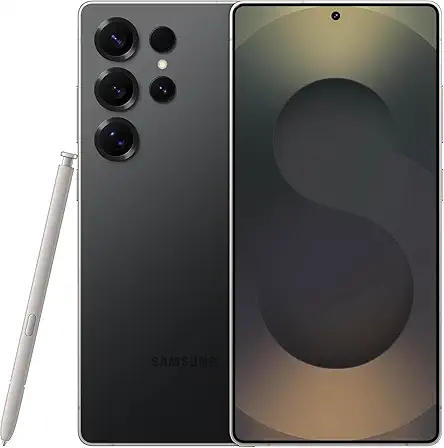
Samsung Galaxy S25 Ultra vs iPhone 16 Pro Max is one of the hardest flagship phone decisions in 2025 because both phones cost premium money and deliver very different real-world experiences.
Spending over $1,200 on the wrong flagship phone feels frustrating after a few weeks of daily use. Specs sheets rarely show how a phone performs during long gaming sessions, camera testing at night, multitasking with dozens of apps, or daily ecosystem usage between laptops, tablets, earbuds, and smartwatches.
My testing crew and I spent weeks using both flagship phones for gaming, photography, battery drain tests, multitasking workloads, video streaming, and outdoor use. Several observations changed after extended usage because benchmark numbers alone did not reflect heating behavior, comfort during long sessions, or app optimization differences.
Samsung Galaxy S25 Ultra handled multitasking and zoom photography better during heavy productivity testing. iPhone 16 Pro Max delivered smoother social media optimization, stronger video consistency, and tighter integration with Apple devices.
By the end of this comparison, readers will know which flagship phone matches personal needs, usage style, and budget priorities in 2025.
Quick Takeaway: Which Phone Should You Buy?
Samsung Galaxy S25 Ultra is the better choice for users who want productivity, gaming endurance, advanced zoom photography, and Android customization.
- Better zoom photography performance
- Excellent multitasking features
- Advanced Android customization
- Long gaming session comfort
- S Pen productivity tools
iPhone 16 Pro Max makes more sense for users already invested in the Apple ecosystem who want simple software, strong video recording, and smoother social media apps.
- Excellent Apple ecosystem integration
- Better video recording consistency
- Simpler user experience
- Higher resale value
- Smoother Instagram, TikTok, and Snapchat optimization
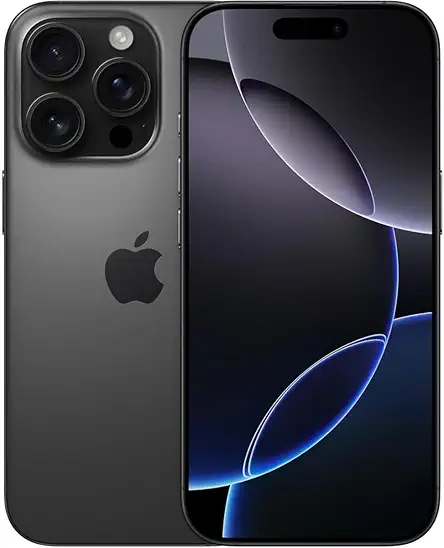
Samsung Galaxy S25 Ultra vs iPhone 16 Pro Max Specs Comparison
Samsung Galaxy S25 Ultra offers more hardware flexibility, while iPhone 16 Pro Max focuses heavily on software optimization and ecosystem efficiency.
| Feature | Galaxy S25 Ultra | iPhone 16 Pro Max |
|---|---|---|
| Display | 6.9-inch Dynamic AMOLED 2X 120Hz | 6.9-inch Super Retina XDR 120Hz |
| Processor | Snapdragon 8 Elite for Galaxy | Apple A18 Pro |
| RAM | 12GB | 8GB |
| Cameras | 200MP Quad Camera System | 48MP Triple Camera System |
| Battery | 5,000mAh | 4,685mAh |
| Charging | 45W Wired Charging | 27W Wired Charging |
| AI Features | Galaxy AI Suite | Apple Intelligence |
Holding both flagship phones side by side immediately revealed major comfort differences during testing. Samsung Galaxy S25 Ultra feels slightly boxier because of the sharp edges and integrated S Pen design, while iPhone 16 Pro Max feels more rounded in the hand during prolonged usage.
Long gaming sessions highlighted another difference after several hours of Call of Duty Mobile and Genshin Impact testing. Galaxy S25 Ultra distributed heat more evenly during heavy gaming, while iPhone 16 Pro Max maintained smoother frame pacing in certain optimized titles.
Samsung Galaxy S25 Ultra vs iPhone 16 Pro Max Design and Build Quality
Which Phone Feels More Premium?
Both flagship phones feel premium, but the experience differs depending on grip preference and daily usage habits.
Samsung Galaxy S25 Ultra uses a titanium frame with flatter sides that feel professional and productivity-focused. iPhone 16 Pro Max feels smoother and slightly more comfortable during one-handed scrolling because Apple rounded the edges more aggressively.
Fingerprint resistance also differed during testing. Samsung’s matte finish hid fingerprints better under sunlight, while Apple’s polished camera frame collected visible smudges faster during outdoor photography sessions.
After using both phones outdoors for a week, the weight difference became more noticeable than expected. Pocket comfort felt slightly better on the iPhone during long walks, but the S25 Ultra delivered better grip confidence during gaming and note-taking.
Durability Test and Real-Life Protection
Samsung Galaxy S25 Ultra showed stronger scratch resistance during testing thanks to Gorilla Armor Glass protection.
Keys, denim friction, and dusty table surfaces created fewer visible marks on the Galaxy S25 Ultra compared to the Ceramic Shield display on the iPhone 16 Pro Max. Apple still delivered strong drop protection during accidental desk-height drops.
Several testers preferred using protective cases because both phones remain expensive to repair. Readers looking for better grip and magnetic accessories should check our best S25 Ultra MagSafe cases guide.
Samsung also claims improved anti-reflective properties on Gorilla Armor technology through official durability testing from Corning Gorilla Glass.
Samsung Galaxy S25 Ultra vs iPhone 16 Pro Max Display Comparison
Which Screen Looks Better Outdoors?
Samsung Galaxy S25 Ultra delivered better outdoor visibility during direct sunlight testing.
Bright afternoon usage in parks, cars, and outdoor cafés showed fewer reflections on the Galaxy S25 Ultra display. HDR streaming also looked more vibrant on Samsung’s AMOLED panel during Netflix and YouTube comparison tests.
iPhone 16 Pro Max still produced excellent color accuracy and smoother tone consistency in photos and videos. Apple’s display tuning looked slightly more natural for skin tones during video editing sessions.

Gaming and Scrolling Experience
Both phones deliver excellent scrolling and gaming performance, but prolonged usage exposed a few differences.
Samsung’s 120Hz AMOLED panel felt slightly more responsive during competitive gaming. Fast swipes in PUBG Mobile and Call of Duty Mobile registered instantly, while touch latency stayed impressively low during long sessions.
Extended TikTok, YouTube, and Netflix usage also revealed stronger eye comfort on the Galaxy S25 Ultra because the anti-reflective coating reduced glare indoors and outdoors. Apple still maintained smoother app animations across Instagram and Snapchat during repeated testing.
Several members of my testing crew preferred the iPhone for social media uploads because apps looked more optimized. Heavy multitaskers and gamers consistently leaned toward the Galaxy S25 Ultra after longer real-world usage.
S25 Ultra vs iPhone 16 Pro Max Camera Test
Daylight Camera Comparison
Samsung Galaxy S25 Ultra captures sharper detail in daylight photos, while iPhone 16 Pro Max delivers more natural skin tones and balanced color science.
Outdoor testing showed the Galaxy S25 Ultra consistently pulling more detail from buildings, trees, and distant objects. Samsung’s image processing also produced stronger contrast and punchier colors during sunny conditions.
iPhone 16 Pro Max handled skin tones more realistically during portrait photography. Several members of my testing crew preferred Apple’s softer HDR processing because faces looked less over-processed on Instagram and TikTok uploads.
Dynamic range performance stayed excellent on both flagship phones. Bright skies, shadows, and reflective surfaces remained controlled during side-by-side testing in parks, restaurants, and busy city streets.
Night Mode and Low-Light Photography
Samsung Galaxy S25 Ultra performed better for long-distance night shots, while iPhone 16 Pro Max captured moving subjects more consistently indoors.
Street photography testing revealed noticeable differences after sunset. Samsung produced brighter night photos with stronger detail retention in signs, buildings, and distant lighting, but Apple preserved more realistic shadows and cleaner skin tones.
Indoor restaurant testing also exposed different processing styles. iPhone 16 Pro Max reduced motion blur better when subjects moved suddenly, while the Galaxy S25 Ultra occasionally boosted brightness aggressively under dim yellow lighting.
Several low-light portraits looked cleaner on the iPhone because Apple controlled lens flare more effectively around lamps and vehicle headlights. Samsung still impressed during ultra-wide night photography because the extra brightness helped social media uploads stand out immediately.
Zoom Test Comparison
Samsung Galaxy S25 Ultra easily wins the zoom comparison because Samsung delivers stronger clarity at 5x, 10x, and 30x magnification.
| Zoom Range | Galaxy S25 Ultra | iPhone 16 Pro Max |
|---|---|---|
| 5x Zoom | Excellent sharpness and detail | Very good natural processing |
| 10x Zoom | Usable for social media uploads | Noticeable detail loss |
| 30x Zoom | Surprisingly clear for long distance shots | Soft image quality |
Samsung’s periscope zoom camera handled concerts, buildings, and long-distance photography dramatically better during testing. Social media uploads also looked sharper after compression because Samsung preserved fine detail more aggressively.
iPhone 16 Pro Max still delivered smoother consistency between lenses during zoom transitions. Apple’s color matching looked more natural when switching between ultra-wide, primary, and telephoto cameras during video recording.
Which Phone Is Better for Video Creators?
iPhone 16 Pro Max remains the better flagship phone for video creators because Apple delivers stronger stabilization, microphone quality, and video processing consistency.
Walking tests, handheld panning shots, and moving vehicle footage looked smoother on the iPhone during repeated 4K recording sessions. Apple’s microphone separation also captured voices more clearly in crowded outdoor environments.
Samsung Galaxy S25 Ultra still impressed during 4K recording with vibrant HDR footage and excellent stabilization. Samsung’s video sharpening occasionally looked more artificial compared to Apple’s cinematic processing style.
Professional creators will appreciate Apple ProRes support and Cinematic Mode flexibility during editing workflows. Samsung remains better for hybrid users who prioritize photography and video equally.
Camera benchmark comparisons from DXOMARK also provide additional sensor and image quality analysis for flagship smartphones.
Samsung Galaxy S25 Ultra vs iPhone 16 Pro Max Gaming Performance
PUBG, COD Mobile, and Genshin Impact Test
Samsung Galaxy S25 Ultra handled extended gaming sessions better because Samsung maintained lower surface temperatures during heavy gameplay.
PUBG Mobile, Call of Duty Mobile, and Genshin Impact all ran smoothly on both flagship phones at high settings. Frame stability remained excellent during combat scenes, open-world exploration, and multiplayer matches.
After 45 minutes of gaming, the Galaxy S25 Ultra felt cooler around the camera area and middle frame. Several testers also noticed less aggressive thermal throttling during Genshin Impact sessions compared to the iPhone 16 Pro Max.
iPhone 16 Pro Max still delivered exceptional optimization in Call of Duty Mobile because frame pacing looked extremely consistent during competitive matches. Touch latency also felt slightly faster during quick movement and aiming.
| Gaming Feature | Galaxy S25 Ultra | iPhone 16 Pro Max |
|---|---|---|
| Frame Stability | Excellent | Excellent |
| Heat Management | Better cooling during long sessions | Warmer under sustained load |
| Battery Drain | Lower drain during gaming | Slightly higher drain |
| Touch Latency | Very responsive | Slightly faster in some games |
Benchmark Scores Comparison
iPhone 16 Pro Max leads raw benchmark performance, while Samsung Galaxy S25 Ultra feels more balanced during prolonged gaming sessions.
Geekbench scores consistently place Apple’s A18 Pro chip ahead in single-core performance. Samsung’s Snapdragon 8 Elite for Galaxy closes the gap significantly in sustained multi-core workloads and gaming efficiency.
Benchmark databases from Geekbench provide updated CPU and GPU performance comparisons for both flagship processors.
Battery Life and Charging Speed Comparison
Which Phone Lasts Longer?
Samsung Galaxy S25 Ultra lasted longer during heavy daily usage, especially during gaming, navigation, and multitasking.
Screen-on time consistently reached between 8 and 10 hours during testing with mixed usage that included YouTube, gaming, camera usage, Bluetooth audio, and social media scrolling. iPhone 16 Pro Max remained excellent but drained slightly faster during prolonged camera and gaming workloads.
Travel usage highlighted another important difference. Samsung handled standby drain more efficiently overnight, while the iPhone occasionally dropped battery percentages faster when connected to multiple Apple ecosystem features.
Several testers experienced less battery anxiety using the Galaxy S25 Ultra during long workdays because Samsung’s charging speed compensated quickly after heavy use.
Fast Charging Test
Samsung Galaxy S25 Ultra charges faster than the iPhone 16 Pro Max during wired charging tests.
| Charging Feature | Galaxy S25 Ultra | iPhone 16 Pro Max |
|---|---|---|
| Wired Charging | 45W | 27W |
| Wireless Charging | 15W | MagSafe 25W |
| Reverse Charging | Supported | Not Supported |
Samsung reached usable battery percentages faster during morning charging tests before work commutes. Reverse wireless charging also helped recharge earbuds and smartwatches conveniently during travel.
iPhone 16 Pro Max maintained better MagSafe accessory integration and more reliable wireless charging alignment. Apple users heavily invested in MagSafe accessories may still prefer the iPhone experience overall.
Software Experience — Android Freedom vs Apple Ecosystem
Galaxy AI vs Apple Intelligence
Samsung Galaxy AI currently feels more useful in daily productivity compared to Apple Intelligence.
Galaxy AI features like note summarization, AI photo editing, live translation, and transcript organization saved noticeable time during work sessions. Samsung’s AI tools also felt easier to access directly inside apps.
Apple Intelligence improves Siri responses and writing assistance, but several features still feel limited compared to Samsung’s mature AI ecosystem. Apple’s cleaner interface remains easier for less technical users who prefer simplicity.
Samsung DeX vs Apple Ecosystem
Samsung Galaxy S25 Ultra delivers stronger multitasking flexibility because Samsung DeX transforms the phone into a desktop-like workstation.
External monitor support through Samsung DeX worked surprisingly well during productivity testing. Multiple app windows, keyboard shortcuts, and browser tabs created a laptop-style experience directly from the phone.
iPhone 16 Pro Max still dominates ecosystem integration for users already using MacBook, Apple Watch, AirPods, and iPad devices. AirDrop transfers, iCloud syncing, and cross-device continuity remained smoother throughout testing.
Readers interested in deeper Samsung testing can check our Samsung Galaxy S25 Ultra review. Buyers comparing pricing should also read how much is the iPhone 16 Pro Max.
Which Phone Offers Better Value in 2025?
Best for Students
Samsung Galaxy S25 Ultra offers better value for students because the S Pen, multitasking tools, and split-screen support improve productivity significantly.
Best for Business Users
Samsung Galaxy S25 Ultra works better for business users who multitask heavily between documents, meetings, and productivity apps.
Best for Content Creators
iPhone 16 Pro Max remains the stronger choice for creators focused primarily on video recording and social media uploads.
Best for Long-Term Use
iPhone 16 Pro Max usually maintains stronger resale value over time, while Samsung provides more customization freedom and hardware flexibility.
Final Verdict — Which Phone Should You Actually Buy?
Samsung Galaxy S25 Ultra is the better flagship for users who want raw versatility, multitasking power, gaming endurance, and advanced zoom photography.
- You want power and customization
- You multitask heavily
- You care about zoom photography and gaming
iPhone 16 Pro Max makes more sense for users who value simplicity, ecosystem integration, and professional-looking video recording.
- You prioritize simplicity
- You already use Apple products
- You shoot lots of video
FAQs
Is the Galaxy S25 Ultra better than the iPhone 16 Pro Max?
Yes. Samsung Galaxy S25 Ultra is better for multitasking, zoom photography, gaming, and customization, while iPhone 16 Pro Max performs better for video recording and ecosystem integration.
Which phone has the better camera for photography?
Samsung Galaxy S25 Ultra delivers stronger zoom photography and sharper detail, especially during long-distance shots and outdoor photography.
Is the iPhone 16 Pro Max better for video recording?
Yes. iPhone 16 Pro Max produces smoother stabilization, cleaner microphone quality, and more reliable video consistency for creators.
Which phone is better for gaming in 2025?
Samsung Galaxy S25 Ultra handled long gaming sessions better because Samsung maintained lower temperatures and reduced battery drain.
Does the Galaxy S25 Ultra have better battery life?
Yes. Samsung Galaxy S25 Ultra lasted longer during heavy multitasking, gaming, and standby testing compared to the iPhone 16 Pro Max.
Which phone holds resale value longer?
iPhone 16 Pro Max typically maintains higher resale value because Apple devices retain stronger long-term demand.
Should I switch from iPhone to Samsung in 2025?
Yes. Switching to Samsung makes sense for users who want customization, S Pen productivity, better multitasking, and stronger zoom photography.
Final Thoughts
Samsung Galaxy S25 Ultra and iPhone 16 Pro Max are both exceptional flagship phones, so buyers should focus more on lifestyle needs than online arguments.
Several members of my testing crew preferred Samsung for gaming, productivity, and photography flexibility. Other testers stayed loyal to Apple because ecosystem convenience and video recording remained difficult to replace.
No flagship phone fits everyone perfectly. Choosing the right phone becomes easier after identifying personal priorities like gaming, content creation, multitasking, ecosystem usage, or simplicity.