Ever wonder if that iPhone 14 Pro Max in your pocket is starting to feel its age, or if the shiny new iPhone 16 Pro Max is just a fancy distraction? If you are looking at the iphone 14 pro max vs iphone 16 pro max debate, you are likely at a crossroads because your two-year upgrade cycle is finally here. I promise that by the end of this guide, you will know exactly if the upgrade from iphone 14 pro max to 16 pro max is a game-changer for your daily life or if you should keep your cash for another year. We will dive deep into the iphone 14 pro max vs iphone 16 pro max specs, focusing on the difference between 14 pro max and 16 pro max that actually matters when you hold them in your hand.

The Big Screen Jump: iPhone 14 Pro Max vs 16 Pro Max Size
The most obvious change you will notice immediately is the sheer scale of the display. While the 14 Pro Max was already a “big” phone, Apple has pushed the boundaries even further this year.
The iphone 14 pro max vs 16 pro max size comparison shows a jump from a 6.7-inch screen to a massive 6.9-inch Super Retina XDR display. You might worry that a bigger screen means a bulkier phone, but there is a clever twist. Apple used “Border Reduction Structure” technology to give the 16 Pro Max the thinnest bezels ever seen on a smartphone. This means you get more screen real estate without the phone feeling like a tablet in your jeans.
In terms of physical dimensions, the 16 Pro Max is slightly taller and thicker, yet it manages to be lighter than its older sibling. The 14 Pro Max weighs in at 240 grams, while the 16 Pro Max drops to 227 grams. This is thanks to the switch from heavy stainless steel to Grade 5 Titanium, which feels much more balanced and jovial in the hand during long browsing sessions.
Performance and the Apple Intelligence Divide
Is the 16 Pro Max actually faster? To be honest, the A16 Bionic in your 14 Pro Max is still a beast, but the iphone 14 pro max vs iphone 16 pro max specs reveal a massive gap in “intelligence.”
The 16 Pro Max features the A18 Pro chip, which is built on a 3-nanometer process. This isn’t just about opening Instagram faster; it is about Apple Intelligence. Because the 16 Pro Max has 8GB of RAM (up from 6GB on the 14 Pro Max), it can run Apple’s new AI suite locally. If you want the new smarter Siri, Writing Tools, and Image Wand, the 14 Pro Max simply cannot do it. It is the “line in the sand” for the future of iOS.
| Feature | iPhone 14 Pro Max | iPhone 16 Pro Max |
|---|---|---|
| Display Size | 6.7-inch | 6.9-inch |
| Processor | A16 Bionic | A18 Pro |
| RAM | 6GB | 8GB |
| Frame Material | Stainless Steel | Grade 5 Titanium |
| Charging Port | Lightning (USB 2.0) | USB-C (USB 3.0) |
Camera Evolution: 3x vs 5x Zoom and Camera Control
If you love photography, this is where the difference between 14 pro max and 16 pro max becomes very exciting. Your 14 Pro Max has a great 48MP main sensor, but its zoom is capped at 3x optical.
The 16 Pro Max introduces the 5x Telephoto lens, allowing you to get much closer to the action without losing detail. Additionally, the Ultra Wide camera has been upgraded from 12MP to 48MP, which drastically improves macro photography and wide-angle shots in low light.
One of the coolest new features is the Camera Control button. This is a sapphire-covered, pressure-sensitive button on the right side of the frame. You can click it to launch the camera, slide your finger to zoom, or double-tap to switch between apertures. It makes the phone feel more like a dedicated DSLR. If you are a content creator, this single feature might make the upgrade from iphone 14 pro max to 16 pro max worth it.
Battery Life and the USB-C Revolution
We all hate that “low battery” warning, right? The iphone 16 pro max vs 14 pro max battery life shows a significant improvement. While the 14 Pro Max was already a battery king with 29 hours of video playback, the 16 Pro Max extends that to 33 hours.
More importantly, the 16 Pro Max finally says goodbye to the Lightning cable. It uses USB-C with USB 3 speeds, which is up to 20x faster for transferring large video files to your computer. Charging is also faster; you can reach a 50% charge in about 30 minutes using a 20W adapter or higher. Apple actually recommends a 30W charger to get the best out of the new MagSafe speeds, which now reach up to 25W.
Step-by-Step: How to Upgrade from iPhone 14 Pro Max to 16 Pro Max
Ready to make the jump? Moving your life from one “Max” to the other is easier than ever if you follow these steps:
- Back Up Your Data: Go to Settings > [Your Name] > iCloud > iCloud Backup and tap “Back Up Now” on your 14 Pro Max.
- Prepare Your eSIM: Most carriers now support easy eSIM transfer. Check with your provider or use the built-in transfer tool during the setup of your new 16 Pro Max.
- Use Quick Start: Place your new iPhone 16 Pro Max next to your 14 Pro Max. A prompt will appear on your old phone asking if you want to use your Apple ID to set up the new device.
- Complete the Transfer: Follow the on-screen instructions. It will transfer your settings, photos, and apps directly over Wi-Fi.
- Download the Essentials: Once you are in, head to the Apple Store App to manage your new device’s warranty and explore exclusive features.
Is It Worth the Upgrade? The Honest Verdict
So, should you pull the trigger?
Upgrade if: You want the largest screen ever made, you are excited about Apple Intelligence, or you are tired of the heavy stainless steel weight. The 5x zoom and USB-C port are huge quality-of-life upgrades that make the phone feel truly modern.
Stay put if: You only use your phone for basic social media and texting. The 14 Pro Max is still an incredibly powerful device that will receive iOS updates for years to come. If you don’t care about AI or photography, your current phone is still a superstar.
Frequently Asked Questions (FAQ)
Does the iPhone 16 Pro Max fit in iPhone 14 Pro Max cases?
No, it does not. The 16 Pro Max is taller and has a larger 6.9-inch screen, plus it has new physical buttons like the Action Button and Camera Control. You will definitely need to buy new cases for the 16 Pro Max.
Is the 16 Pro Max screen much bigger than the 14 Pro Max?
Yes, it is 6.9 inches compared to 6.7 inches. While 0.2 inches sounds small, the thinner bezels make the screen feel much more expansive and immersive for watching videos or gaming.
Can the iPhone 14 Pro Max run Apple Intelligence?
Unfortunately, no. Apple Intelligence requires the A17 Pro or A18 series chips and at least 8GB of RAM. The 14 Pro Max only has 6GB of RAM, so it is excluded from the new AI features.

Is the charging port different on the 16 Pro Max?
Yes! The iPhone 16 Pro Max uses USB-C, while the 14 Pro Max uses the older Lightning port. This means you can finally use the same cable for your MacBook, iPad, and iPhone.
Which phone has better zoom, 14 Pro Max or 16 Pro Max?
The 16 Pro Max is the clear winner here. It features a 5x optical zoom (120mm equivalent), which is a significant step up from the 3x optical zoom found on the 14 Pro Max.
How much lighter is the 16 Pro Max?
The 16 Pro Max is about 13 grams lighter than the 14 Pro Max. While that sounds like a tiny amount, the use of titanium instead of stainless steel makes the phone feel much less “top-heavy” and easier to hold for long periods.
Final Thoughts
The iphone 14 pro max vs iphone 16 pro max comparison proves that Apple is focusing on refinement and intelligence rather than radical redesigns. If you are a power user, the move to titanium and the addition of the A18 Pro chip make this a stellar year to finally trade in your old device. For more technical details, you can always check the official Apple Specs page to see every tiny detail.
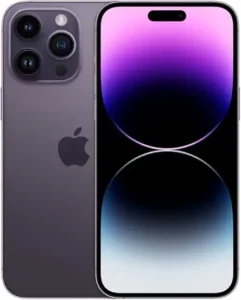
Get the iPhone 16 Pro Max on Amazon
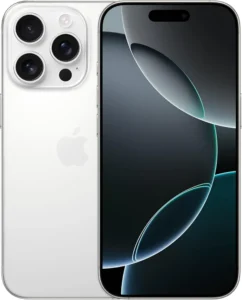
Get the iPhone 14 Pro Max on Amazon
- Is iPhone 14 Plus Worth It?
- iPhone 13 Pro Max in Nigeria – Price and Specs
- Samsung Galaxy S23 Ultra vs iPhone 15 Pro Max
- How Much Is the iPhone 16 Pro Max Right Now?