Choosing between indoor and outdoor security cameras is easier when you understand where each camera performs best. While many homeowners focus on image quality alone, placement, weather resistance, night vision, and coverage matter just as much. After researching security systems and testing surveillance products alongside a team of tech reviewers, we found that most security gaps happen because the wrong camera type gets installed in the wrong location.
Fortunately, understanding the differences helps you build a smarter security setup. In many cases, the best solution is not choosing one over the other. Instead, combining both camera types creates complete property coverage.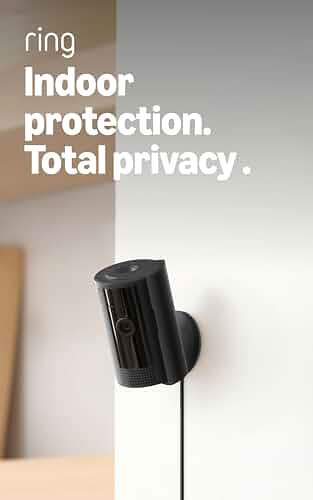
Do You Need Indoor or Outdoor Security Cameras?
Yes, most properties benefit from both indoor and outdoor security cameras. Outdoor cameras help detect threats before they reach your home or business. Indoor cameras provide additional evidence and visibility once someone enters the building.
| Camera Type | Best For | Key Advantage | Weather Resistant | Night Vision |
|---|---|---|---|---|
| Indoor Camera | Living rooms, hallways, offices | Facial identification | No | Basic to Advanced |
| Outdoor Camera | Driveways, entrances, yards | Perimeter protection | Yes | Advanced |
| Indoor Outdoor Camera | Flexible installation | Dual-purpose deployment | Usually | Advanced |
Indoor vs Outdoor Security Cameras: Quick Comparison
The biggest difference between indoor and outdoor surveillance equipment is environmental protection. Indoor cameras operate in stable conditions, whereas outdoor cameras must survive rain, heat, dust, humidity, and temperature swings.
| Feature | Indoor Cameras | Outdoor Cameras |
|---|---|---|
| Weather Protection | No | Yes |
| Operating Temperature | Controlled environments | Extreme conditions |
| Housing Strength | Lightweight | Reinforced |
| Night Vision | Moderate | Enhanced IR systems |
| Tamper Resistance | Basic | Advanced |
| Installation Difficulty | Easier | Moderate |
| Typical Coverage Range | 10 to 30 feet | 30 to 100+ feet |
What Is an Indoor Security Camera?
An indoor security camera is designed specifically for monitoring activity inside a building. These cameras typically focus on image clarity, motion detection accuracy, and discreet placement.
Many homeowners install indoor units near entryways, staircases, hallways, nurseries, and common areas. Meanwhile, businesses often place them in offices, inventory rooms, reception areas, and storage facilities.
Unlike exterior models, indoor cameras do not require heavy-duty weatherproof housing. As a result, manufacturers can prioritize compact designs and wider placement options.
Common Indoor Camera Features
- 1080p, 2K, or 4K video resolution
- Two-way audio communication
- Motion detection alerts
- Cloud and local storage options
- Smart home integration
- Person detection technology
Advantages of Indoor Security Cameras
- Lower purchase costs
- Easier installation
- Compact appearance
- Excellent facial recognition
- Wide variety of mounting options
Limitations of Indoor Cameras
- Cannot withstand rain
- Poor protection against dust
- Limited durability outdoors
- Less tamper resistance
What Is an Outdoor Security Camera?
An outdoor security camera protects the perimeter before a threat enters the property. Instead of focusing solely on indoor activity, these cameras monitor driveways, entrances, garages, parking lots, and exterior walkways.
Because outdoor equipment faces harsher conditions, manufacturers build these devices with weather-resistant materials and stronger mounting systems.
During our research, one pattern appeared repeatedly. Properties with perimeter coverage identified suspicious activity earlier than properties relying solely on indoor cameras.
Common Outdoor Camera Features
- IP65, IP66, or IP67 weather ratings
- Extended infrared night vision
- Wide-angle lenses
- Motion-triggered floodlights
- Tamper-resistant housings
- AI object detection
Advantages of Outdoor Security Cameras
- Early threat detection
- Crime deterrence
- Weather-resistant construction
- Long-range monitoring
- Better perimeter visibility
Limitations of Outdoor Cameras
- Higher costs
- More complex installation
- Possible false alerts from animals
- Exposure to environmental wear
Can Outdoor Security Cameras Be Used Indoors?
Yes, outdoor security cameras can be used indoors without any issues. In fact, many dual-purpose cameras are designed specifically for both environments.
Outdoor units generally include stronger housings and enhanced infrared systems. Consequently, they often perform very well inside warehouses, garages, and large commercial spaces.
However, some models appear bulky compared to indoor cameras. Therefore, aesthetics may become a deciding factor in living rooms or office spaces.
Can Indoor Cameras Be Used Outside?
No, standard indoor cameras should not be installed outdoors. Most indoor models lack weather protection and can fail quickly when exposed to moisture, sunlight, or dust.
Even covered porches create risks. Humidity, wind-driven rain, and temperature changes gradually damage electronics that were never designed for outdoor use.
Before installing any camera outdoors, verify its IP weather rating and operating temperature range.
Which Security Camera Type Is Best for Apartments?
Indoor cameras are usually sufficient for most apartments. Limited entry points reduce the need for extensive outdoor surveillance.
Residents often place cameras near front doors, living areas, and hallways. Additionally, a video doorbell can supplement interior monitoring without requiring multiple outdoor cameras.
Many apartment renters also benefit from reviewing our smart home technology guides when building a connected security setup.
Which Security Camera Type Is Best for Houses?
Both indoor and outdoor cameras are recommended for detached homes. Exterior cameras create the first layer of defense, while interior units provide additional visibility.
A typical three-bedroom house often benefits from four to eight cameras depending on property size. Front entrances, backyards, garages, and interior hallways usually deliver the highest security value.
Furthermore, homeowners researching connected devices may also find value in our home security technology coverage for additional setup ideas.
Where Should Indoor Security Cameras Be Installed?
The best indoor camera locations cover major movement pathways. Rather than monitoring every room, focus on areas people must pass through.
Recommended Indoor Locations
- Main entry points
- Hallways
- Living rooms
- Home offices
- Basement entrances
- Storage rooms
Position cameras approximately 7 to 9 feet above the floor. As a result, you gain broader coverage while reducing tampering risks.
Where Should Outdoor Security Cameras Be Installed?
The most effective outdoor cameras cover approach routes before someone reaches the building.
Recommended Outdoor Locations
- Front door
- Back door
- Driveway
- Garage entrance
- Side gates
- Parking areas
Security professionals frequently prioritize entrances first because approximately 34% of burglars enter through the front door, according to crime prevention studies.
Additionally, proper placement works best alongside strong network equipment. Many readers also explore our wireless networking resources when expanding camera systems.
How Important Is Night Vision Performance?
Night vision is one of the most important camera features for security. Most incidents occur during low-light conditions when visibility becomes limited.
Outdoor cameras generally offer stronger infrared illumination than indoor models. Consequently, they maintain clearer footage across larger distances.
| Night Vision Type | Typical Range | Best Use |
|---|---|---|
| Basic Infrared | 15 to 30 feet | Indoor rooms |
| Enhanced Infrared | 30 to 100 feet | Driveways |
| Color Night Vision | 20 to 80 feet | Detailed identification |
| Spotlight Night Vision | 30 to 120 feet | Large properties |
What Weather Rating Should an Outdoor Camera Have?
An IP66 rating is sufficient for most residential installations. This rating protects against rain, dust, and outdoor exposure.
Understanding Weather Ratings
- IP65: Light outdoor protection
- IP66: Strong weather resistance
- IP67: Heavy-duty protection
- IP68: Extreme environmental resistance
Areas with heavy rainfall or extreme temperatures may benefit from IP67-rated equipment.
What Are the Most Common Security Camera Placement Mistakes?
Many security weaknesses result from poor placement rather than poor equipment.
Mistakes to Avoid
- Pointing cameras directly into sunlight
- Installing cameras too low
- Ignoring blind spots
- Overlapping coverage unnecessarily
- Relying on a single camera
- Skipping night testing
After evaluating numerous surveillance setups, we consistently observed that correcting placement improved footage quality more than upgrading hardware.
How Many Security Cameras Does a Home Need?
Most homes require four to eight cameras for effective coverage.
| Property Size | Recommended Cameras | Coverage Focus |
|---|---|---|
| Apartment | 1 to 3 | Entry points |
| Small House | 4 to 6 | Perimeter and interior |
| Medium House | 6 to 8 | Full property coverage |
| Large Property | 8 to 16+ | Expanded perimeter security |
Frequently Asked Questions
Are outdoor cameras more expensive than indoor cameras?
Yes. Outdoor cameras typically cost more because they require weatherproof materials, stronger housings, and enhanced night vision systems.
Do outdoor cameras record all the time?
Yes. Many models support continuous recording, although some use motion-triggered recording to reduce storage requirements.
Can one camera monitor an entire property?
No. Even wide-angle lenses create blind spots. Multiple cameras provide more reliable coverage.
Should security cameras be visible?
Yes. Visible cameras often deter suspicious activity before incidents occur.
Do wireless security cameras need WiFi?
Yes. Most wireless models require internet connectivity for remote viewing and cloud storage features.
Final Thoughts
Indoor and outdoor security cameras serve different purposes, yet they work best together. Exterior cameras detect activity before someone reaches your property, while interior cameras capture events after entry occurs.
For apartments, indoor monitoring often provides adequate protection. However, detached homes and businesses typically benefit from layered surveillance coverage. Therefore, the smartest approach is evaluating your property’s risk areas before selecting equipment.
A properly planned system delivers better results than simply adding more cameras. When coverage, placement, and visibility work together, your security setup becomes significantly more effective and easier to manage over time.