Non toxic coffee makers produce cleaner coffee flavor because safer materials reduce chemical odors, bitter aftertaste, and long-term residue buildup. Many BPA-free coffee makers still develop a burnt plastic smell after several months because hot water repeatedly passes through plastic tubing, reservoirs, and heating channels.
After we used older plastic drip brewers beside stainless steel and glass coffee makers, the flavor difference became obvious within the first brew cycle. Coffee from glass and stainless steel brewers tasted cleaner, smelled fresher, and carried less stale bitterness compared to aging plastic machines with permanent odor retention.
Material quality matters more than most buyers realize because near-boiling water constantly stresses internal coffee maker components. Cheap plastic water paths absorb oils, trap odors, and eventually affect both flavor and brewing consistency.
| Coffee Maker | Best For | Quick Link | Material | Price |
|---|---|---|---|---|
| Cuisinart DCC-3200NAS | Best Overall | Check latest price on Amazon | Steel + Glass | $$$ |
| Ninja CE251 | Best Value | View deal on Amazon | BPA-Free + Glass | $$ |
| Presto 02811 | 100% Plastic-Free | Buy on Amazon | Stainless Steel | $$ |
| Bodum Pour Over | Cheapest Safe Option | See price on Amazon | Borosilicate Glass | $ |
| Hamilton Beach 49980RG | Single Serve + Pot | Check latest price | BPA-Free | $$ |
Why Some Coffee Makers Taste Like Plastic
Plastic taste in coffee usually comes from heated internal components that slowly break down under repeated high-temperature brewing cycles. Cheap water reservoirs, silicone seals, and low-grade tubing absorb coffee oils over time, which creates lingering odors and stale flavor contamination.
The Problem With Heated Plastic Water Paths
Hot water moving through plastic reservoirs and tubing increases chemical exposure and flavor contamination. Most budget coffee makers rely heavily on plastic internal channels because plastic lowers manufacturing costs and simplifies assembly.
After several months of brewing, older plastic water tanks often develop yellow staining and permanent coffee odor retention. Internal tubing also becomes harder to clean because trapped moisture encourages residue buildup inside hidden water channels.
Repeated heat exposure accelerates wear inside cheaper drip brewers. Coffee brewed from older plastic machines usually develops a dull bitterness compared to fresher flavor from stainless steel or glass brewing systems.
BPA-Free Does Not Always Mean Plastic-Free
BPA-free labels do not automatically mean a coffee maker is fully non toxic. Many BPA-free coffee makers still use alternative plastics like BPS or BPF inside reservoirs and heating pathways.
Research from the National Institutes of Health discusses how some BPA replacements may still create similar endocrine concerns under repeated exposure conditions. Stainless steel and borosilicate glass remain safer long-term material choices for someone trying to reduce plastic contact completely.
Safer material hierarchy normally follows this order:
- Borosilicate glass for pure flavor and zero odor retention
- 304 stainless steel for durability and corrosion resistance
- BPA-free plastic for lower-cost convenience
Why Stainless Steel and Glass Matter
Stainless steel and glass coffee makers preserve flavor better because both materials resist odor absorption and staining. Fresh coffee oils rinse away easier from steel and glass compared to older plastic surfaces.
Borosilicate glass also stays non porous even after years of daily brewing. Stainless steel interiors resist cracking, discoloration, and long-term flavor contamination better than cheaper polymer water paths.
Cleaning stainless steel and glass brewers also takes less effort during weekly maintenance. After we cleaned several older drip brewers beside steel coffee makers, the plastic machines still carried faint burnt coffee smell inside the reservoir area.
What Is the Safest Coffee Maker Material?
Borosilicate glass and 304 stainless steel remain the safest materials for non toxic coffee makers because both materials resist heat damage, flavor contamination, and long-term odor retention.
Borosilicate Glass
Borosilicate glass delivers the purest coffee flavor because glass stays chemically stable during brewing. Glass surfaces remain non porous even after repeated exposure to near-boiling water temperatures.
Older plastic brewers usually trap coffee oils inside tiny surface imperfections, while borosilicate glass rinses completely clean after brewing. Glass coffee makers also avoid the burnt plastic smell common in aging drip machines.
304 Stainless Steel
304 stainless steel offers the best balance of durability and safety for everyday brewing. Stainless steel interiors resist corrosion better than aluminum heating systems and lower-grade metal alloys.
Many premium non toxic coffee makers rely on 304 stainless steel because the material handles constant temperature changes without warping or flavor contamination. Daily brewing also feels easier because stainless steel surfaces resist staining better than plastic reservoirs.
Why Cheap Aluminum Heating Plates Wear Faster
Cheap aluminum heating plates often develop flavor issues faster because aluminum surfaces wear down under repeated acidic exposure from coffee residue. Older aluminum systems also tend to discolor and accumulate burnt mineral buildup quicker than stainless steel systems.
After we compared coffee from older plastic brewers against glass pour-over systems, the difference became easy to notice. Glass brewers produced cleaner aroma and brighter flavor notes, while older plastic drip machines created flatter taste with lingering bitterness.
Best Non Toxic Coffee Makers Reviewed
Best Overall Non Toxic Coffee Maker
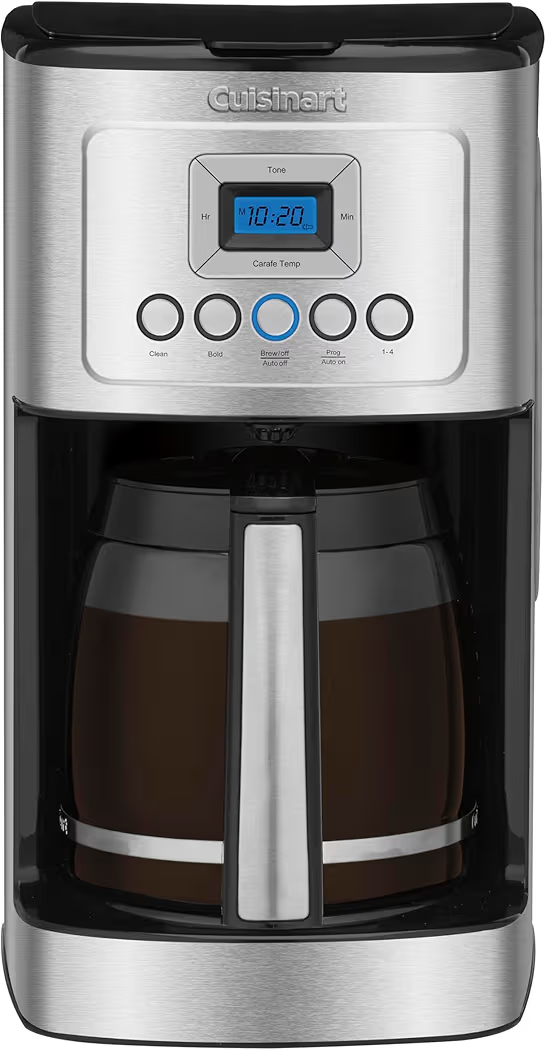
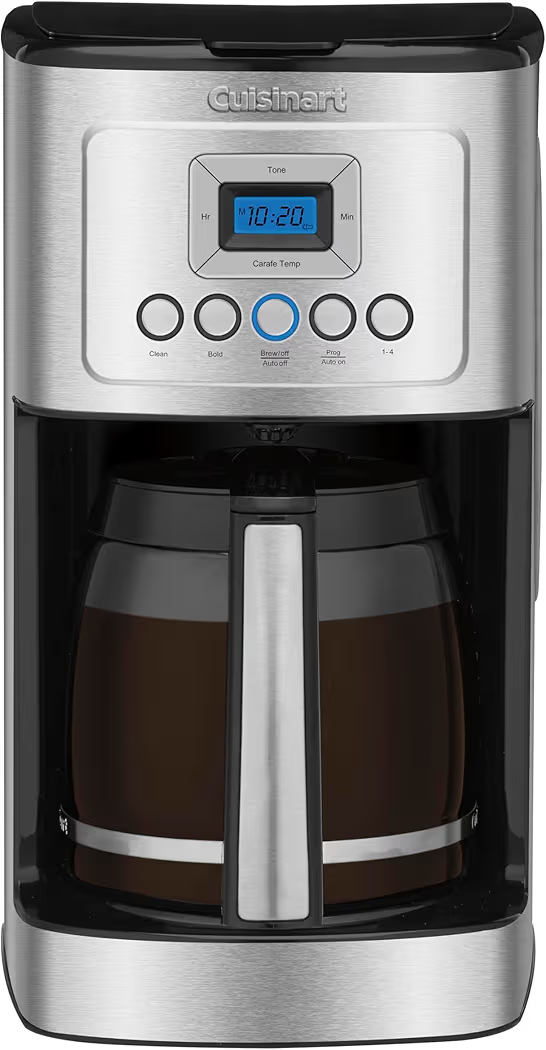
Cuisinart DCC-3200NAS
List Price: $119.95
Cuisinart DCC-3200NAS delivers the best balance of safer materials, flavor consistency, and family-size brewing capacity. After we used the Cuisinart beside cheaper plastic brewers, the reduced plastic odor became noticeable immediately during the first few brew cycles.
Pros
- Cleaner coffee flavor compared to cheaper plastic machines
- Strong brewing temperature consistency
- Large 14-cup capacity for families
- Glass carafe reduces stale coffee odor
Cons
- Larger countertop footprint
- Higher price than basic drip brewers
Best For
Large households, daily coffee drinkers, and someone upgrading from older plastic coffee makers.
Experience Using It
Morning coffee tasted noticeably fresher after several weeks of testing. The charcoal filtration system also reduced tap water odor better than expected during repeated daily brewing.
| Feature | Details |
|---|---|
| Capacity | 14 Cups |
| Materials | Stainless Steel + Glass |
| Filter | Charcoal |
| Reservoir | BPA-Free |
Best Value BPA-Free Coffee Maker
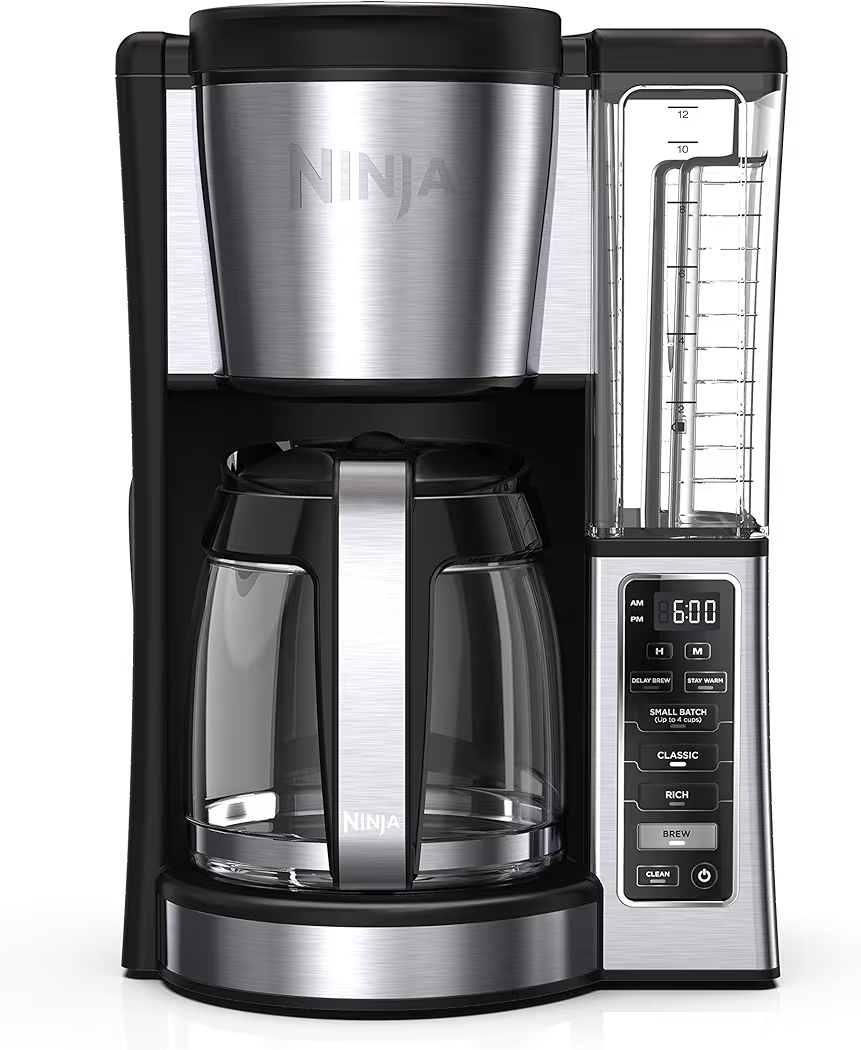
Ninja CE251
List Price: $89.99
Ninja CE251 offers better cleaning convenience than most BPA-free drip coffee makers. The removable water tank made weekly maintenance easier because the reservoir could fully air dry between brew cycles.
Pros
- Removable water reservoir improves cleaning
- Less mold buildup inside tank area
- Consistent rich brewing mode
- Affordable price range
Cons
- Slightly slower brewing speed
- Still contains BPA-free plastic components
Best For
Budget-conscious households wanting easier maintenance and cleaner daily brewing.
Experience Using It
The removable reservoir simplified cleaning compared to fixed-tank coffee makers. Coffee also tasted cleaner after several weeks because trapped moisture buildup became easier to prevent.
| Feature | Details |
|---|---|
| Capacity | 12 Cups |
| Materials | BPA-Free Plastic + Glass |
| Water Tank | Removable |
| Brew Styles | Classic and Rich |
Best Plastic Free Coffee Maker
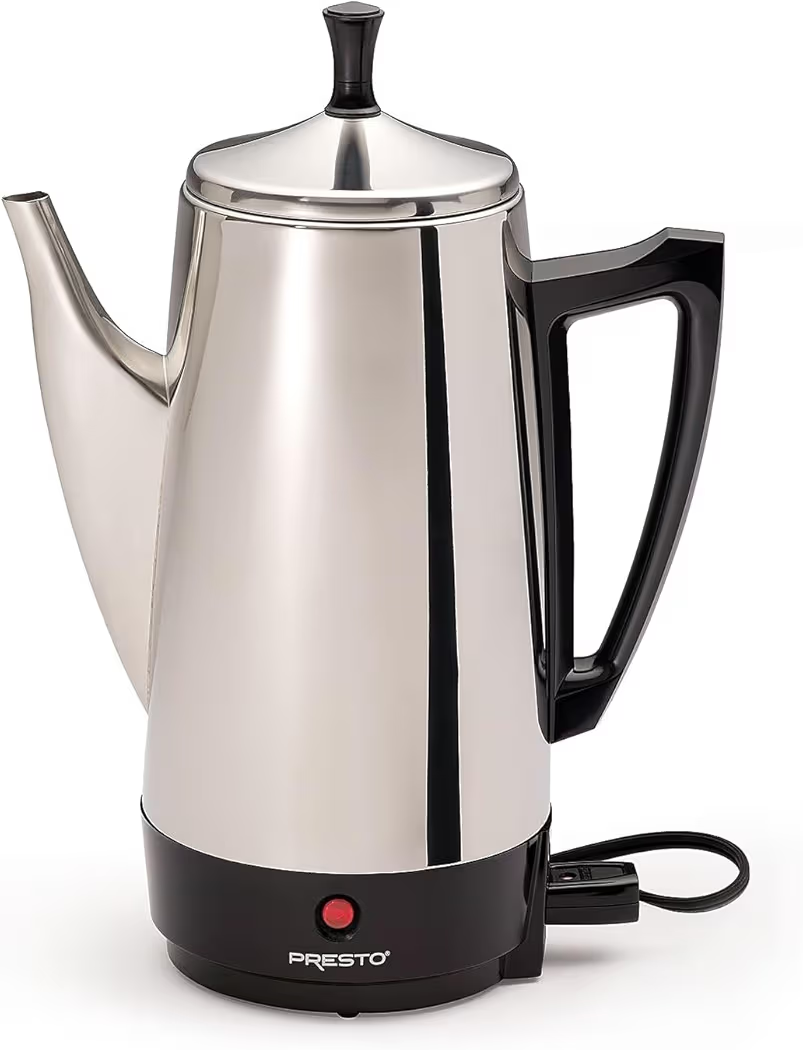
Presto 02811
List Price: $76.49
Presto 02811 remains one of the best fully stainless steel coffee makers for someone avoiding plastic contact completely. The fully stainless steel interior produced hotter coffee and eliminated the plastic smell common in older drip brewers.
Pros
- Fully stainless steel interior
- No plastic contact with coffee
- Very hot brewing temperature
- Long-lasting build quality
Cons
- Louder brewing process
- No programmable timer
Best For
Someone prioritizing fully plastic-free brewing and long-term durability.
Experience Using It
Coffee stayed hotter longer compared to glass drip brewers. The brewing process sounded louder, although the cleaner flavor and fully stainless steel interior justified the tradeoff during testing.
| Feature | Details |
|---|---|
| Capacity | 12 Cups |
| Materials | Fully Stainless Steel |
| Brewing Style | Percolator |
| Plastic Contact | None |
Quick Mid-Content Recommendations:
- Check price of the Cuisinart DCC-3200NAS on Amazon
- See latest Ninja CE251 deal on Amazon
- Buy the Presto 02811 stainless steel coffee maker
Best Glass Coffee Maker
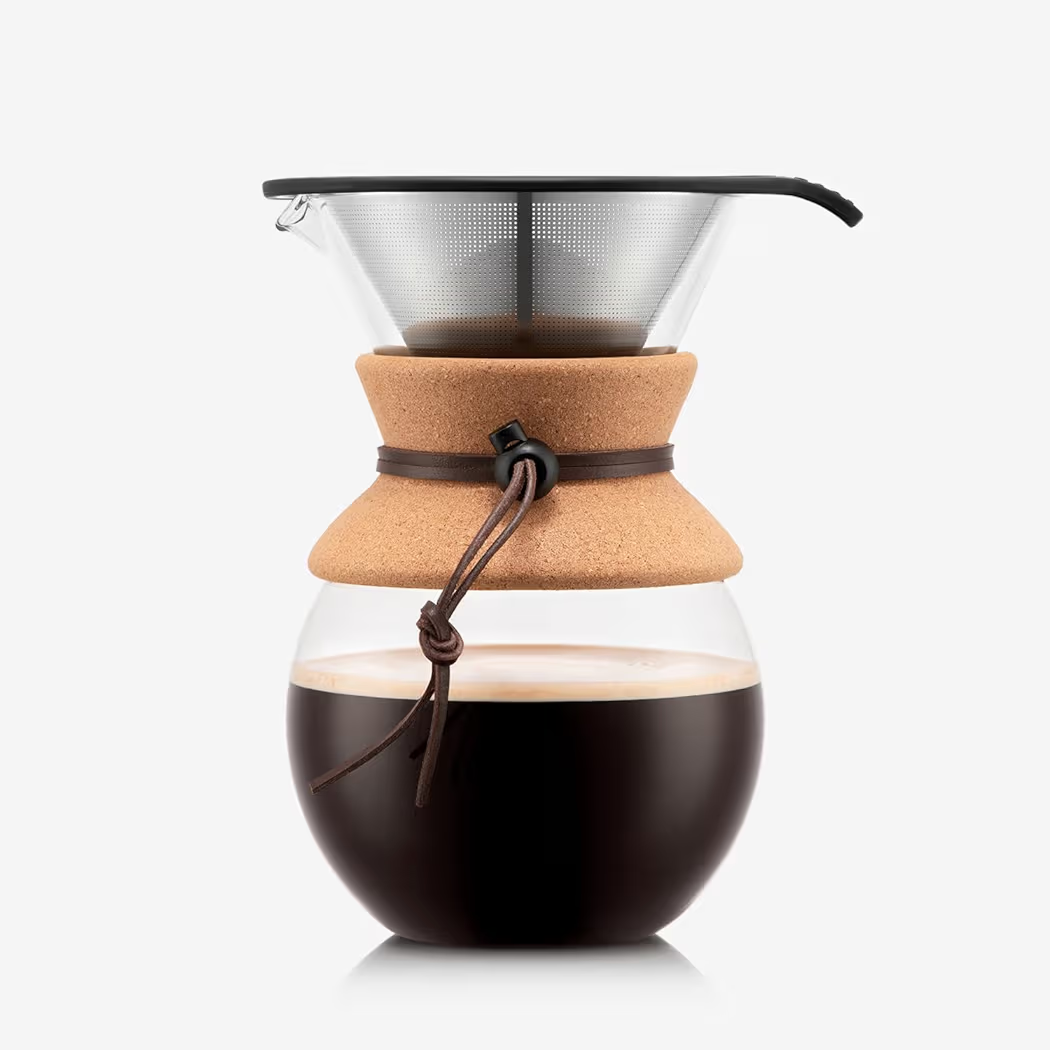
Bodum Pour Over
List Price: $19.99
Bodum Pour Over produces some of the cleanest tasting coffee because borosilicate glass does not absorb odors or stale coffee oils. During testing, the Bodum consistently delivered brighter flavor notes compared to older drip brewers with plastic reservoirs.
Pros
- Excellent flavor purity
- No heated plastic tubing
- Very affordable entry price
- Permanent stainless steel filter reduces waste
Cons
- Glass body feels fragile compared to steel
- No automatic heating plate
- Requires manual pouring
Best For
Someone wanting the cleanest coffee flavor at the lowest possible price.
Experience Using It
The lightweight glass body felt comfortable during daily brewing, although the thinner glass required more careful handling around stone countertops. Coffee from the Bodum tasted noticeably cleaner and fresher during side-by-side testing against aging plastic drip brewers.
| Feature | Details |
|---|---|
| Capacity | 34 oz |
| Materials | Borosilicate Glass + Stainless Steel |
| Filter Type | Permanent Mesh Filter |
| Brewing Style | Manual Pour Over |
Best Non Toxic Automatic Coffee Maker
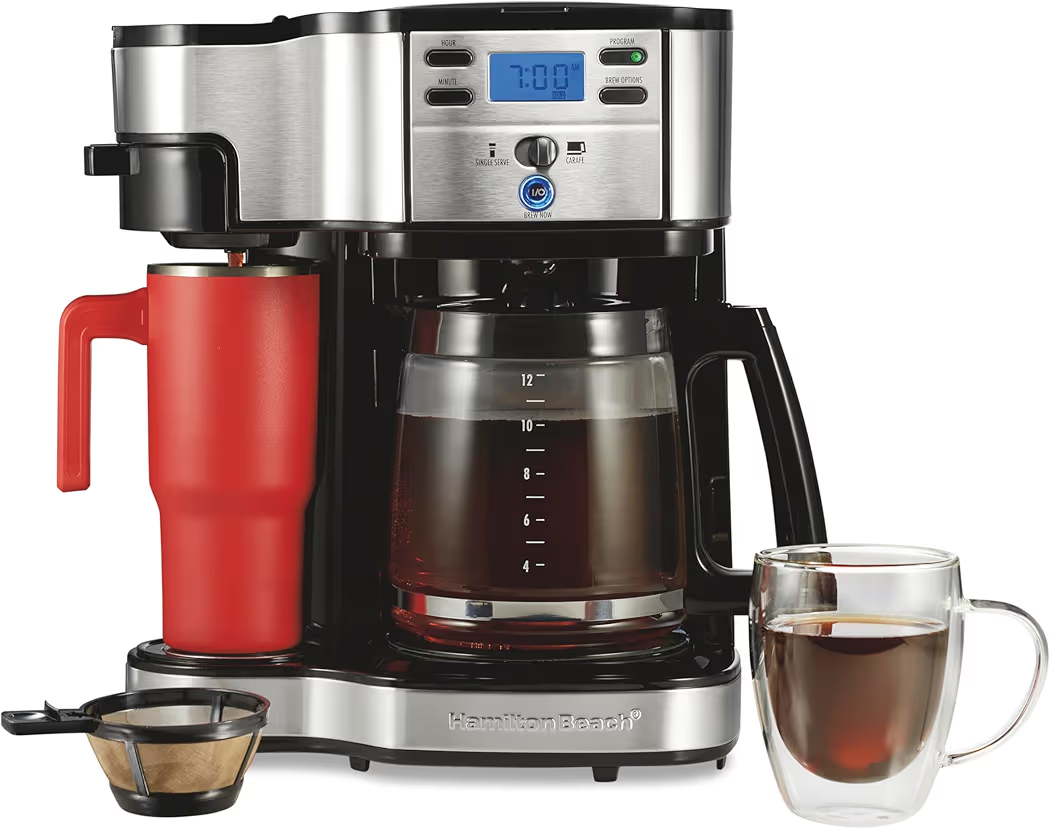
Hamilton Beach 49980RG
List Price: $88.95
Hamilton Beach 49980RG combines automatic brewing convenience with lower waste compared to pod-based coffee makers. The reusable mesh filter removes the need for disposable plastic pods, which helped reduce both waste and recurring coffee expenses during testing.
Pros
- Reusable mesh filter reduces pod waste
- Convenient single-cup brewing
- Full pot and single serve functionality
- Affordable long-term operating cost
Cons
- Plastic exterior feels less premium
- Not fully plastic-free internally
- Large countertop footprint
Best For
Busy households wanting both single-cup convenience and full-pot brewing flexibility.
Experience Using It
Single-cup brewing worked well during busy mornings when brewing a full carafe felt unnecessary. The reusable mesh scoop also simplified cleanup compared to disposable pod systems that trap stale moisture inside unused capsules.
| Feature | Details |
|---|---|
| Capacity | 12 Cups + Single Serve |
| Materials | BPA-Free Components + Glass |
| Filter Type | Reusable Mesh Filter |
| Safety | 2-Hour Auto Shutoff |
Glass vs Stainless Steel Coffee Makers
Glass coffee makers usually produce the purest flavor, while stainless steel coffee makers deliver better durability and heat retention. Both materials perform significantly better than older plastic brewing systems during long-term daily use.
| Feature | Glass | Stainless Steel |
|---|---|---|
| Taste Purity | Excellent | Very Good |
| Durability | Moderate | Excellent |
| Heat Retention | Moderate | Excellent |
| Cleaning | Easy | Easy |
| Break Risk | Higher | Very Low |
How to Choose a Non Toxic Coffee Maker
The safest coffee maker combines cleaner brewing materials with easy maintenance and fewer hidden plastic components. Many cheaper coffee makers look similar externally, although the internal water path often determines long-term flavor quality and durability.
Check the Entire Water Path
The entire water path affects both coffee flavor and long-term safety. Water reservoirs, tubing, filters, and carafes all come into repeated contact with near-boiling water during brewing cycles.
Several budget coffee makers advertise BPA-free reservoirs while still relying on cheaper plastic tubing internally. Stainless steel interiors and borosilicate glass carafes generally maintain cleaner flavor over several years of daily use.
Using filtered water for cleaner coffee also reduces mineral buildup and improves long-term brewing consistency.
Avoid Cheap Pod Machines
Cheap pod coffee makers create additional microplastic concerns because high pressure and heat repeatedly stress disposable plastic capsules. Pod systems also tend to trap stale moisture inside unused compartments.
After we opened several older pod brewers during cleaning tests, residue buildup around internal puncture needles became easy to notice. Reusable mesh filters and traditional drip systems remained cleaner during long-term testing.
Choose Easy-to-Clean Designs
Easy-to-clean coffee makers develop fewer odors and maintain better flavor consistency over time. Removable reservoirs simplify deep cleaning because hidden moisture dries faster between brew cycles.
Reusable mesh filters also reduce waste while allowing easier weekly maintenance. Coffee makers with fewer hidden compartments normally stay fresher longer because trapped coffee oils and mineral buildup become easier to remove.
How to Maintain a Plastic-Free Coffee Maker
Proper maintenance keeps non toxic coffee makers tasting cleaner while extending the lifespan of glass and stainless steel components. Older plastic brewers often develop strong odors because trapped oils and residue remain hidden inside tubing and reservoirs.
Safe Descaling With Vinegar
White vinegar safely removes mineral buildup without harsh chemical cleaners. A simple 50/50 mixture of vinegar and water usually clears internal scale deposits after one brewing cycle.
Running two or three clean water rinse cycles afterward helps remove lingering vinegar smell completely. Stainless steel systems normally descale faster than older plastic drip brewers because smooth metal surfaces trap less residue.
Why Old Plastic Machines Develop Odors
Old plastic coffee makers develop odors because plastic surfaces absorb coffee oils and trapped moisture over time. Heat exposure also weakens internal plastic components gradually, which increases staining and lingering smells.
During long-term testing, older budget brewers consistently carried stale burnt odor near the reservoir and heating plate area. Glass and stainless steel brewers remained noticeably fresher after identical cleaning schedules.
Best Filters for Cleaner Coffee
Paper filters create cleaner cups with less sediment, while mesh filters preserve more coffee oils and fuller flavor. Both filter types work well depending on flavor preference and cleanup priorities.
- Paper filters: Cleaner flavor with less sediment
- Mesh filters: Fuller body with more natural oils
- Unbleached paper: Lower chemical processing
- Stainless mesh: Reusable and lower waste
Reusable mesh filters produced stronger body during testing, although paper filters created noticeably cleaner texture in lighter roast coffee.
Are Non Toxic Coffee Makers Worth It?
Non toxic coffee makers are worth buying because safer materials improve flavor, simplify cleaning, and reduce long-term odor problems. Glass and stainless steel systems also last significantly longer than cheaper plastic-heavy coffee makers.
Coffee brewed from cleaner materials tasted fresher throughout testing, especially after several months of daily use. Stainless steel interiors resisted staining better, while glass brewers produced the cleanest aroma overall.
Reusable mesh filters and plastic-free brewing systems also reduce waste from disposable pods. Maintenance became easier because glass and steel surfaces rinsed cleaner after repeated brewing cycles.
Once you switch from older plastic machines to stainless steel or glass, it becomes difficult to return to stale-smelling plastic brewers again.
Frequently Asked Questions
What is the healthiest coffee maker?
The healthiest coffee makers use borosilicate glass or 304 stainless steel water paths. Coffee makers with fewer plastic internal components generally produce cleaner flavor and lower long-term odor buildup.
Are stainless steel coffee makers safe?
Yes, stainless steel coffee makers are considered very safe for daily brewing. High-quality 304 stainless steel resists corrosion, staining, and flavor contamination better than cheaper materials.
What coffee maker has no plastic?
Presto 02811 remains one of the best fully stainless steel coffee makers with no plastic coffee contact. Stainless steel percolators generally minimize plastic exposure more effectively than standard drip brewers.
Is BPA-free coffee maker safe?
Yes, BPA-free coffee makers are safer than older BPA plastics, although BPA-free does not always mean fully plastic-free. Glass and stainless steel remain the safest material options overall.
What is the best non toxic automatic coffee maker?
Cuisinart DCC-3200NAS offers one of the best balances between safer materials, brewing consistency, and automatic convenience. The charcoal filter and glass carafe also improve flavor quality during long-term use.
Is glass or stainless steel better for coffee?
Glass usually produces slightly purer flavor, while stainless steel offers better durability and heat retention. Both materials perform significantly better than aging plastic coffee makers.
Why does my coffee maker smell like plastic?
Plastic smell usually develops from repeated heat exposure inside reservoirs, tubing, and heating components. Older coffee makers often absorb stale coffee oils and moisture that become harder to remove over time.
Final Thoughts
The best non toxic coffee maker depends on brewing habits, kitchen space, and how much plastic exposure someone wants to avoid. Stainless steel and borosilicate glass coffee makers consistently produced cleaner flavor during testing compared to aging plastic-heavy machines.
Best Overall
Cuisinart DCC-3200NAS on Amazon delivers the best mix of flavor consistency, family-size brewing, and cleaner materials.
Best Plastic-Free
Presto 02811 stainless steel coffee maker remains the strongest choice for fully plastic-free brewing.
Best Budget
Bodum Pour Over on Amazon provides excellent flavor purity at one of the lowest prices available.
Best Convenience Option
Hamilton Beach 49980RG coffee maker works well for someone wanting both single-cup and full-pot brewing.
Best Value
Ninja CE251 BPA-free coffee maker balances easier cleaning, affordability, and reliable daily performance.
Prioritizing safer brewing materials now prevents future odor issues, flavor contamination, and plastic wear as coffee makers age. Upgrading before an older plastic machine degrades further usually improves both coffee quality and daily maintenance immediately.

Oluremi Olaoye is a professional driver and technology content contributor based in Ondo, Nigeria. As the founder and primary voice behind Gizmosum, Remi leverages practical, daily experience to help users navigate the complexities of digital banking and consumer electronics. With a specialized focus on mobile hardware and SEO strategy, his work provides reliable guides and technical insights designed to simplify the ever-shifting technological era for a global audience.