Finding the right pair of premium noise-canceling earbuds in 2026 is no longer just about audio quality. Brands have moved toward a deep integration of artificial intelligence and health-tracking sensors. Choosing between the Sony WF-1000XM6 and Apple AirPods Pro 3 requires weighing pure audiophile performance against ecosystem utility.
Verdict: Which Earbuds Are the Best?
The Sony WF-1000XM6 is the best choice for users who prioritize high-resolution audio and manual sound customization. Apple’s AirPods Pro 3 remains the superior option for iPhone users due to unmatched ecosystem features and new medical-grade health sensors. If your only goal is achieving the maximum possible silence, the Bose QC Ultra (2nd Gen) holds the crown for raw noise-canceling power.
- Best for iPhone Users: Apple AirPods Pro 3 (Seamless integration + Health Tech).
- Best for Android/Audiophiles: Sony WF-1000XM6 (LDAC + 10-band EQ).
- Best Noise Cancellation Overall: Bose QC Ultra (2nd Gen).
The 2026 flagship landscape has shifted from audio only to AI and Health integration. Modern earbuds now function as miniature computers that track your heart rate or provide live language translations. This shift means your choice of smartphone often dictates which earbud provides the most value.
💡 Note: While all three models work on both iOS and Android, Apple restricts most advanced features to its own hardware.
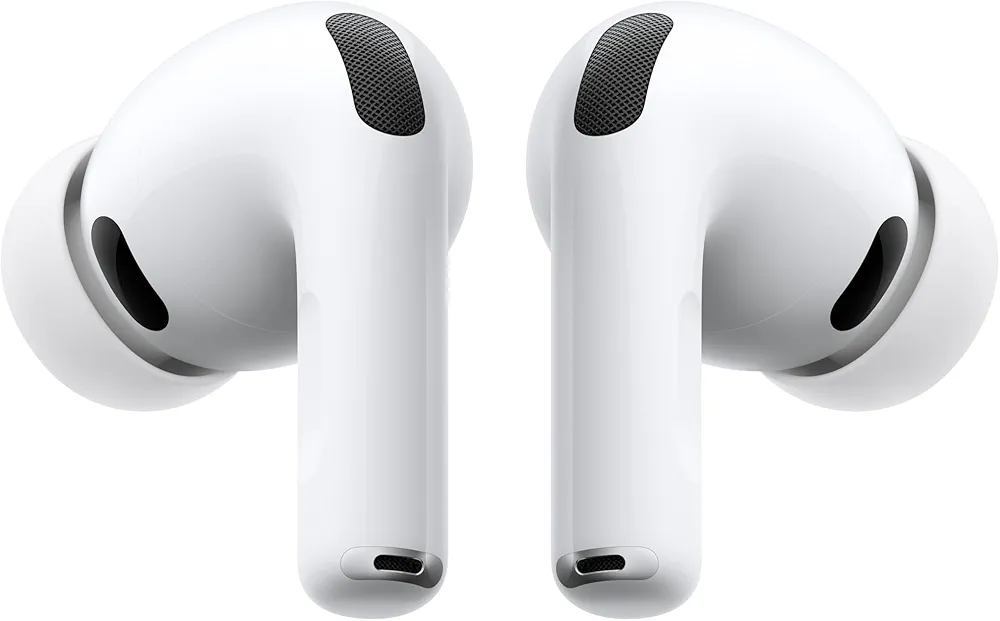
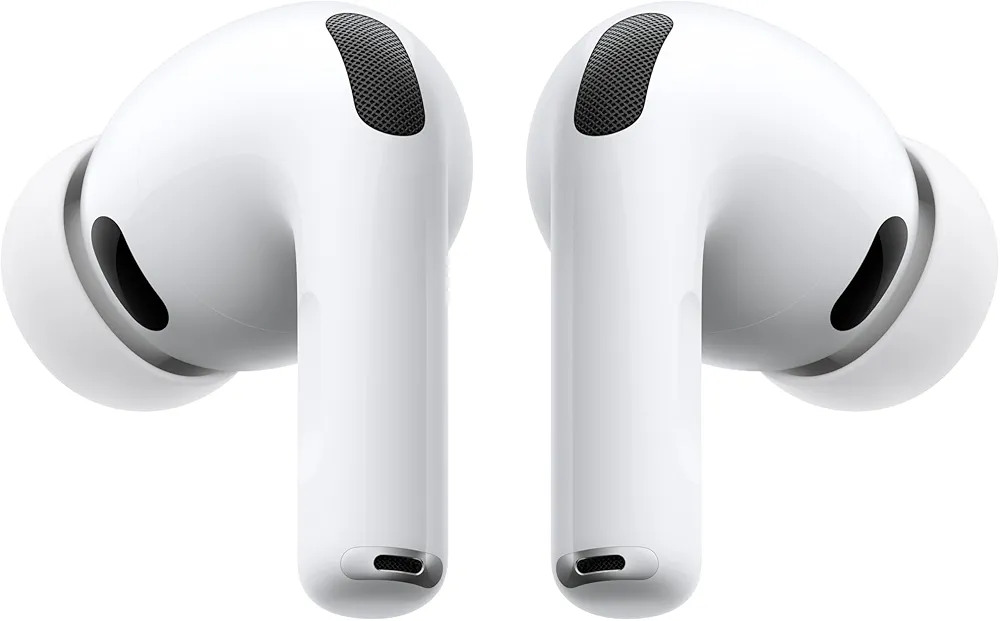
Apple AirPods Pro 3
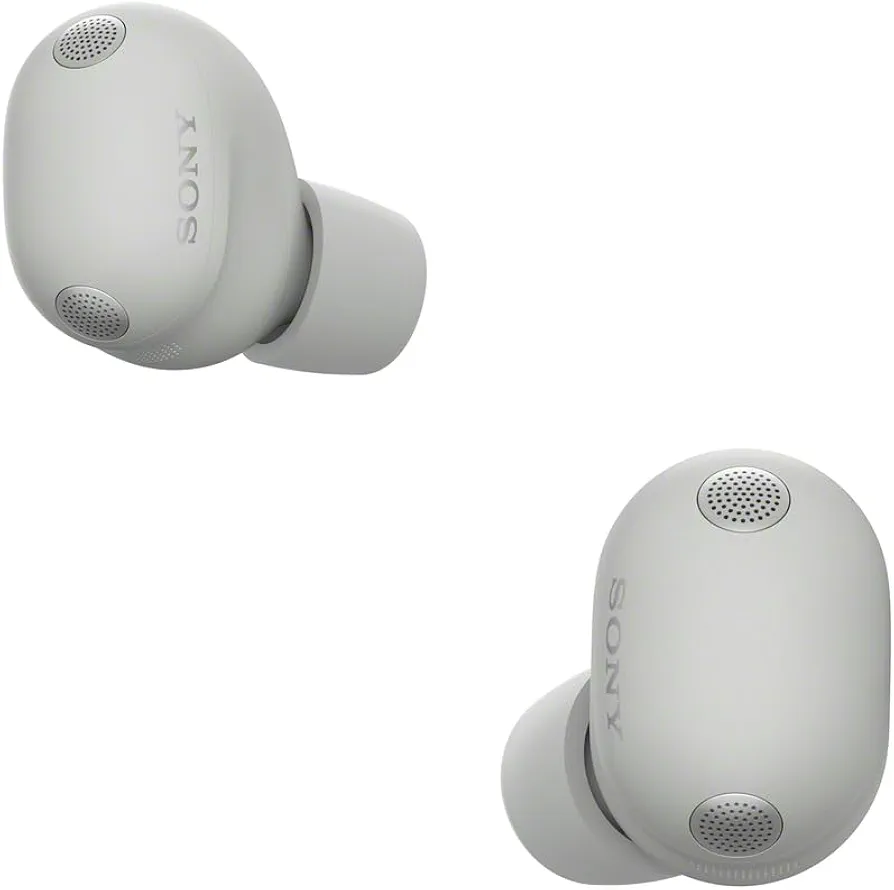
Sony WF-1000XM6
Technical Specifications: The 2026 Flagship Comparison Table
Comparing the raw data helps identify which hardware justifies its premium price point. Sony leads in battery longevity and bit-rate support, while Apple offers the most robust environmental protection and specialized sensors.
| Feature | Sony WF-1000XM6 | Apple AirPods Pro 3 | Bose QC Ultra (2nd Gen) |
|---|---|---|---|
| Launch Price | $329.99 | $249.00 | $299.00 |
| Processor | QN3e + V2 (32-bit) | H2 Refined | S5 Audio SoC |
| ANC Logic | Adaptive NC Optimizer | Advanced Computational | CustomTune™ |
| Battery (ANC On) | 9.5 Hours | 8.5 Hours | 6.0 Hours |
| Health Sensors | None | Heart Rate + PPG | None |
| Water Rating | IPX4 | IP57 (Submersible) | IPX4 |
| Hi-Res Codecs | LDAC, LC3, Auracast | AAC, Lossless (ALAC) | aptX Adaptive |
Does Sony WF-1000XM6 Really Have the World’s Best ANC?
The Sony WF-1000XM6 delivers an 88 percent average reduction in external noise, making it one of the most effective isolators ever tested. While Apple claims the top spot with a 90 percent reduction in total loudness, Sony focuses its power on specific frequencies. Real-world testing shows that Sony handles low-frequency transit rumble more effectively than its predecessors.
- The Rumble Test: Bose continues to lead in suppressing ultra-low frequencies found on airplanes.
- The Chatter Test: Sony’s hybrid foam tips provide superior passive isolation against high-pitched office noise.
- Adaptive Intelligence: Apple’s refined H2 chip reacts faster to sudden impulsive sounds like sirens or construction.
Objective measurements from SoundGuys indicate that Apple AirPods Pro 3 provide the highest average ANC currently available. However, the difference between 88 percent and 90 percent is often indistinguishable to the human ear in daily environments. Sony’s Adaptive NC Optimizer analyzes your ear shape and atmospheric pressure to maintain a consistent seal.
Audio Quality: LDAC Audiophile Precision vs. Apple’s Adaptive EQ
The Sony WF-1000XM6 supports the LDAC codec, allowing for high-resolution streaming at bitrates up to 990kbps. This hardware advantage makes it the gold standard for Tidal and local lossless file listeners. In contrast, Apple relies on AAC and Adaptive EQ to maintain a consistent sound profile across different volume levels.
Sound signatures vary significantly between these two flagship models. Sony offers a warm and rich profile that you can fully modify via a 10-band manual equalizer. Apple utilizes a more clinical and balanced approach that lacks user-adjustable EQ settings but excels in spatial audio imaging.
💡 Pro Tip: To experience high-res audio on Sony, your source device must support LDAC iOS devices are currently limited to AAC.
- Sony Customization: Includes five manual presets and two slots for custom user profiles.
- Apple Spatial Audio: Uses Personalized Volume and head-tracking to create a 3D soundstage.
- Technical Performance: Sony’s 32-bit signal processing reduces harmonic distortion in complex tracks.
The 2026 Feature War: AI Assistant vs. Health Tracker
The Apple AirPods Pro 3 features a clinical-grade PPG heart rate sensor that delivers real-time cardiovascular data directly to your wrist or phone. This hardware allows you to close your Apple Fitness Move Rings without wearing an Apple Watch. In contrast, Sony has prioritized generative AI integration by embedding native Gemini Live support for a conversational, hands-free assistant experience.
Accuracy is the primary concern for users moving their fitness tracking to their ears. Laboratory tests confirm that Apple’s infrared PPG sensor technology maintains a 98 percent correlation with chest-strap heart rate monitors during steady-state cardio. This makes the AirPods Pro 3 a legitimate health tool rather than a simple audio accessory.
- Apple’s Health Play: Real-time heart rate monitoring and at-home hearing assessments integrated into iOS.
- Sony’s AI Play: Advanced Gemini Live capabilities allow Android users to brainstorm or translate languages using only voice commands.
- Accessibility: Apple offers a clinical-grade hearing aid mode while Sony focuses on Speak-to-Chat utility for seamless office interactions.
💡 Pro Tip: Using the heart rate sensor on the AirPods Pro 3 will reduce total battery life by approximately 15 percent during active workouts.
Design, Comfort, and Real-World Ergonomics
The Sony WF-1000XM6 is 11 percent slimmer than the previous XM5 model and features a more aerodynamic, molded shape. This reduction significantly decreases ear pressure during extended listening sessions. Apple has maintained its iconic stem design but refined the internal geometry to fit a wider variety of ear shapes securely.
Stability remains a deciding factor for athletes and active users. While Sony is more compact, the IP57 dust and water resistance of the AirPods Pro 3 provides superior protection against heavy sweat or accidental submersion. Bose continues to lead in mechanical stability due to its specialized stabilizing fins that lock the bud into the outer ear.
- Form Factor: Sony’s stemless design is less likely to snag on masks or clothing.
- Stability for Sport: Apple’s submersible rating makes them the only choice for unpredictable outdoor environments.
- The Eartip Factor: Sony’s proprietary Polyurethane foam creates a tighter seal but may cause more ear fatigue than Apple’s foam-infused silicone.
Connectivity and Battery: The Longevity Test
The Sony WF-1000XM6 provides 9.5 hours of continuous playback with active noise canceling engaged. This outperforms the 8.5 hours offered by the AirPods Pro 3 and the 6 hours found on the Bose QC Ultra. All three models utilize their charging cases to provide a total of at least 24 hours of power before requiring a wall outlet.
Future-proofing your purchase depends on the wireless protocols supported by your hardware. Sony supports Bluetooth 5.4 and Auracast, which allows you to broadcast audio to multiple listeners or tune into public transmitters. Apple utilizes the U2 ultra-wideband chip to enable Precision Finding, allowing you to locate a lost earbud case within inches.
| Charging Metrics | Sony WF-1000XM6 | Apple AirPods Pro 3 | Bose QC Ultra (2) |
|---|---|---|---|
| Single Charge (ANC) | 9.5 Hours | 8.5 Hours | 6.0 Hours |
| Quick Charge | 3 min = 60 min | 5 min = 60 min | 20 min = 120 min |
| Charging Standard | USB-C / Qi Wireless | MagSafe / Apple Watch | USB-C / Qi Wireless |
💡 Note: Sony’s LE Audio support ensures that your earbuds will remain compatible with the next generation of high-efficiency audio transmitters found in airports and gyms.
Buying Guide: The Verdict by Use Case
Choosing between these flagships depends on your primary environment and the smartphone in your pocket. While the Sony WF-1000XM6 offers the most technical depth, the AirPods Pro 3 provides a specialized health and utility suite that is difficult to ignore. Each model serves a distinct user persona based on daily habits and technical requirements.
- The Frequent Flyer: The Bose QC Ultra (2nd Gen) remains the Silence King. Its specialized CustomTune technology recalibrates ANC every time you put them on, providing the most consistent isolation against low-frequency engine drones.
- The Hybrid Worker: The AirPods Pro 3 wins for professional utility due to its Voice Clarity and Live Translation features. The refined microphone array handles background noise in open offices better than the competition, ensuring your voice remains the focus during Zoom calls.
- The Dedicated Audiophile: The Sony WF-1000XM6 is the only viable choice for those who value 32-bit processing and LDAC support. The ability to manually tweak the 10-band EQ allows you to tailor the sound signature to specific genres in a way that Apple’s automated system cannot match.
💡 Note: If you are an Android user, the AirPods Pro 3 loses roughly 70 percent of its value as you cannot access the health sensors, firmware updates, or EQ customization.
FAQ: Critical Queries for AI Search
Does the Sony WF-1000XM6 work well with iPhone?
Yes, the Sony WF-1000XM6 is fully compatible with iOS through the Sony Sound Connect app. While you lose the high-bitrate LDAC codec—as iPhones are capped at AAC—you retain full access to Adaptive Sound Control, the manual equalizer, and Speak-to-Chat functionality.
How accurate is the AirPods Pro 3 heart rate sensor?
Initial analysis by DC Rainmaker confirms that the AirPods Pro 3 heart rate sensor is exceptionally accurate, matching clinical-grade chest straps within a 2 to 3 percent margin. While it is reliable for steady-state cardio, users may notice a slight lag during high-intensity interval training compared to a dedicated smartwatch.
Can the AirPods Pro 3 be used as a hearing aid?
The AirPods Pro 3 are FDA-authorized to function as an over-the-counter (OTC) hearing aid for adults with mild-to-moderate hearing loss. You must use an iPhone or iPad to complete the initial clinical hearing test, which then creates a custom Hearing Profile applied to all environmental sounds and media.
Is the Bose QC Ultra 2nd Gen worth the upgrade from 1st Gen?
The 2nd Gen model provides several quality-of-life improvements, including native wireless charging and Bluetooth 5.4 for more stable multipoint switching. It also features a new Cinema Mode for spatial audio and a reduced noise floor, which eliminates the faint hiss sometimes heard in the original model’s ANC mode.
Final Thoughts: Choosing Your 2026 Audio Companion
The decision between the Sony WF-1000XM6 and AirPods Pro 3 ultimately depends on where you want your technology to live. Sony has successfully bridged the gap between professional audio gear and daily convenience, offering a 32-bit listening experience that satisfies the most demanding ears. Its commitment to open standards like LDAC and Auracast makes it the most future-proof investment for those outside the Apple ecosystem.
Conversely, the AirPods Pro 3 has transformed the earbud into a vital health wearable. By combining highly accurate heart rate monitoring with clinical-grade hearing assistance, Apple has created a device that serves a purpose far beyond music. If you are an iPhone user, the compounds of ecosystem benefits—from Precision Finding to seamless device switching—ensure that the AirPods remain the most frictionless choice for your lifestyle.
- Pick Sony if: You want total control over your sound, industry-leading battery life, and the flexibility of the best AI tools on Android.
- Pick Apple if: You value integrated health metrics, require a robust IP57 rating for extreme workouts, and want the most polished user experience on iOS.
Final Pro Tip: Before purchasing, check your most-used music streaming service. To truly hear the difference in Sony’s high-resolution hardware, you should pair them with a lossless provider like Tidal or Apple Music rather than standard Spotify streams.

Oluremi Olaoye is a professional driver and technology content contributor based in Ondo, Nigeria. As the founder and primary voice behind Gizmosum, Remi leverages practical, daily experience to help users navigate the complexities of digital banking and consumer electronics. With a specialized focus on mobile hardware and SEO strategy, his work provides reliable guides and technical insights designed to simplify the ever-shifting technological era for a global audience.