The water to rice ratio rice cooker uses is one of the most important factors for cooking fluffy, evenly cooked rice. Using the correct amount of water, the proper rice cooker measuring cup, and the recommended cooking method helps prevent mushy, dry, or undercooked rice. If you are choosing a new appliance, comparing the best rice cookers can also improve cooking consistency.
This guide explains the correct water to rice ratio for different rice varieties, how rice cooker measuring cups differ from standard measuring cups, common mistakes to avoid, and practical tips for getting consistent results every time.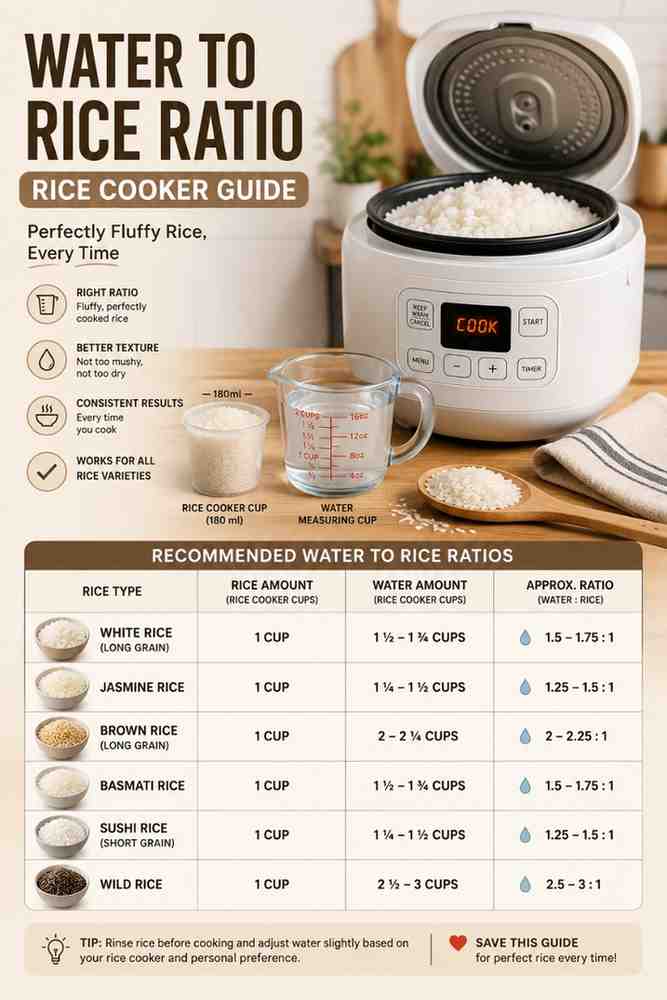
What Is the Correct Water to Rice Ratio in a Rice Cooker?
The correct water to rice ratio rice cooker users should follow depends on the rice variety and whether the rice cooker provides internal water level markings. Most modern rice cookers are calibrated to work with the included measuring cup and the water lines inside the cooking pot, making those markings more accurate than guessing a manual ratio.
Following the manufacturer’s measuring system produces more consistent results because the rice cooker automatically adjusts cooking time based on temperature and moisture. Therefore, using the correct measuring cup and water level helps achieve evenly cooked rice without unnecessary trial and error.
What is the standard water-to-rice ratio for white rice?
The standard water to rice ratio rice cooker uses for white rice is generally about 1:1 when using the supplied rice cooker cup and filling to the matching water line. When measuring with a standard 240 ml measuring cup instead, many white rice varieties require approximately 2 cups of water for every 1 cup of uncooked rice.
Different white rice varieties absorb water differently. Long-grain rice usually cooks fluffier with slightly less water than short-grain rice, while premium rice cookers automatically compensate for these differences during cooking.
Does every rice cooker use the same ratio?
No. Every water to rice ratio rice cooker does not use exactly the same ratio because manufacturers calibrate their water lines differently. Brands such as Zojirushi, CUCKOO, Toshiba, and Aroma may recommend slightly different measurements depending on the cooking technology and rice programs available.
Additionally, fuzzy logic rice cookers monitor temperature throughout cooking and automatically adjust the cooking cycle. Conventional rice cookers rely more heavily on the correct water measurement, making accurate measuring even more important.
Why should you follow the rice cooker’s water level markings?
The water to rice ratio rice cooker markings inside the cooking bowl are designed specifically for that appliance. Filling water to the matching line provides better consistency than estimating ratios manually.
For example, after measuring one rice cooker cup of rice, simply add water until it reaches the “1” mark inside the bowl. The USA Rice Federation also recommends using accurate measurements when preparing rice because proper water levels directly affect texture and cooking performance.
How Does a Rice Cooker Measuring Cup Differ From a Regular Measuring Cup?
The water to rice ratio rice cooker depends on using the correct measuring cup because a rice cooker cup is smaller than a standard kitchen measuring cup. Confusing the two measurements is one of the most common reasons rice becomes mushy or undercooked.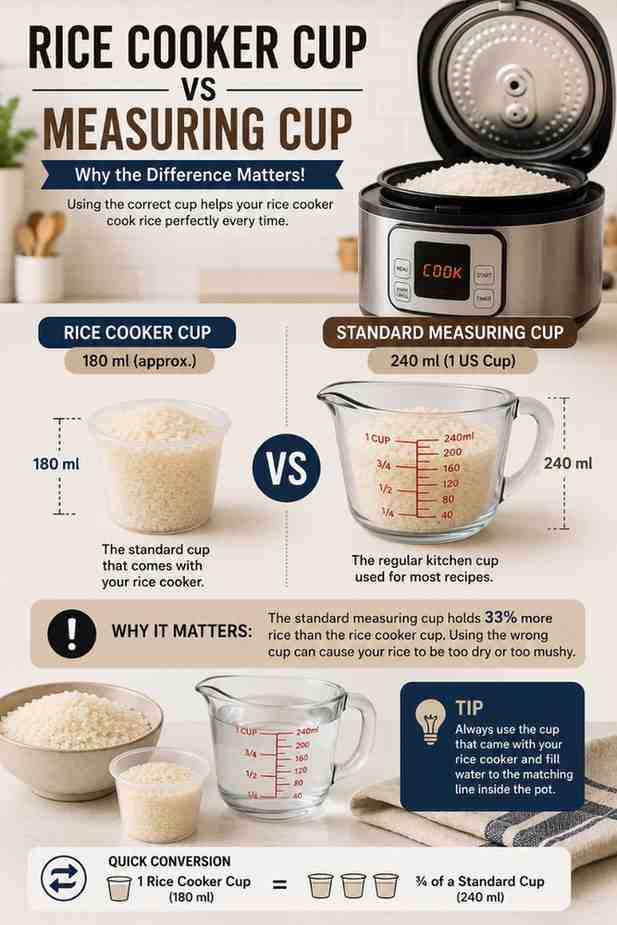
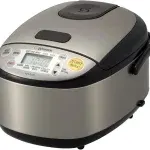
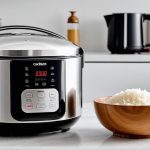
What size is a rice cooker cup?
A standard rice cooker measuring cup holds approximately 180 ml, while a standard US measuring cup holds approximately 240 ml. Although both are commonly called one cup, they measure different volumes.
Using the supplied cup ensures the rice matches the calibrated water level markings inside the cooking pot. Consequently, accurate measuring helps maintain consistent texture regardless of the rice variety.
Can you replace a lost rice cooker measuring cup?
Yes. A replacement rice cooker measuring cup is inexpensive and widely available. Purchasing the correct replacement is usually better than estimating measurements because the original cup matches the appliance’s calibration.
If the original measuring cup is unavailable, measuring approximately 180 ml of uncooked rice provides the closest equivalent until a replacement arrives.
How do you convert a rice cooker cup to a US measuring cup?
One rice cooker cup equals approximately three-quarters of a standard US measuring cup. Likewise, one standard US measuring cup equals about 1⅓ rice cooker cups.
Knowing this conversion helps when following recipes that use standard kitchen measurements instead of rice cooker measurements. However, the rice cooker’s own measuring system remains the preferred option whenever possible.
What Is the Best Water-to-Rice Ratio for Different Rice Types?
The ideal water to rice ratio rice cooker settings vary by rice variety because different grains absorb moisture at different rates. Choosing the proper ratio improves texture while preventing sticky or dry rice.
What is the ratio for white rice?
White rice generally cooks best using the rice cooker’s water level markings or approximately 2 cups of water for every 1 standard measuring cup of rice when no markings are available.
What is the ratio for jasmine rice?
Jasmine rice usually requires slightly less water than standard white rice. A ratio between 1.25:1 and 1.5:1 often produces soft, fragrant grains without becoming overly sticky.
What is the ratio for basmati rice?
Basmati rice normally cooks well using about 1.5 to 1.75 cups of water per cup of rice. Rinsing basmati thoroughly before cooking also helps separate the long grains.
What is the ratio for brown rice?
Brown rice absorbs more water because the bran layer remains intact. Most brown rice varieties require approximately 2 to 2.5 cups of water for every cup of uncooked rice and benefit from a longer cooking cycle.
What is the ratio for sushi and short-grain rice?
Short-grain and sushi rice generally need slightly more water than jasmine rice to produce their signature tender, sticky texture. Following the rice cooker program designed for sushi rice usually provides the most reliable results.
What is the ratio for wild rice?
Wild rice requires considerably more water and longer cooking times than white rice. Many rice cookers include dedicated whole-grain or mixed-grain settings that improve cooking consistency.
| Rice Type | Typical Water Ratio | Recommended Rice Cooker Setting | Approximate Cooking Time |
|---|---|---|---|
| White Rice | 2:1 (standard cup) | White Rice | 25–35 min |
| Jasmine Rice | 1.25–1.5:1 | White Rice | 25–30 min |
| Basmati Rice | 1.5–1.75:1 | White Rice | 25–35 min |
| Brown Rice | 2–2.5:1 | Brown Rice | 45–60 min |
| Sushi Rice | About 1.2–1.4:1 | Sushi Rice | 35–45 min |
| Wild Rice | 3:1 | Whole Grain | 50–60 min |
How Do You Measure Rice Correctly for a Rice Cooker?
The water to rice ratio rice cooker results depend on accurate measuring before cooking begins. Using the correct rice cooker measuring cup, rinsing rice when appropriate, and adding the right amount of water help produce evenly cooked rice with a consistent texture.
Additionally, measuring rice correctly reduces waste and makes recipes easier to repeat. Even high-end rice cookers cannot compensate for large measuring errors, so taking a few extra seconds during preparation makes a noticeable difference.
Should you use the included measuring cup?
Yes. The water to rice ratio rice cooker is designed around the included 180 ml measuring cup. Using that cup allows the water level markings inside the cooking pot to work exactly as intended.
If the original cup has been misplaced, replacing it is usually better than estimating measurements. For readers shopping for a new appliance, comparing the best small rice cookers can also help identify models that include replacement accessories.
Should rice be rinsed before cooking?
Yes. Rinsing rice removes excess surface starch that can make cooked rice sticky or gummy. The water to rice ratio rice cooker remains the same after rinsing because only the loose starch is removed, not the rice itself.
For example, rinsing jasmine, basmati, and long-grain white rice until the water becomes mostly clear usually produces fluffier grains. However, enriched rice may lose some added nutrients if rinsed repeatedly, so always check the package instructions.
How many servings does one rice cooker cup make?
One rice cooker measuring cup of uncooked rice generally produces about two servings of cooked rice, although serving size depends on appetite and the meal being prepared.
Consequently, a five-cup rice cooker typically prepares enough rice for several family members, while smaller models are often suitable for individuals or couples.
Should you soak rice before cooking?
Soaking is optional for most white rice but can improve the texture of certain varieties such as basmati and brown rice. The water to rice ratio rice cooker normally remains unchanged unless the recipe specifically recommends adjusting the water.
Brown rice benefits most from soaking because the bran layer absorbs moisture slowly. A short soak may also reduce cooking time in some rice cooker models.
How Can You Cook Perfect Rice in a Rice Cooker Every Time?
The best way to achieve consistent results with the water to rice ratio rice cooker is to follow a simple preparation routine every time. Small habits before and after cooking have a greater effect on texture than many people realize.
What are the correct preparation steps?
Start by measuring the rice with the supplied cup, rinse the rice if recommended, add the correct amount of water, and select the appropriate cooking program for the rice variety.
After installing a new rice cooker, following these same preparation steps for every batch makes it easier to learn how the appliance performs with different types of rice.
Why should you let rice rest after cooking?
The water to rice ratio rice cooker produces better results when cooked rice rests for about 10 to 15 minutes after the cooking cycle finishes. Resting allows moisture to redistribute evenly throughout the rice.
As a result, the grains become more uniform and separate more easily when served. Skipping this resting period often leaves the top layer slightly dry while the bottom remains wetter.
When should you fluff the rice?
Rice should be fluffed immediately after the resting period using a rice paddle or a non-metal utensil. Fluffing separates the grains without damaging the non-stick cooking pot.
Waiting too long before fluffing allows steam to condense, which may make the rice slightly sticky even when the correct water ratio was used.
What utensils should you use?
A non-stick rice paddle, silicone spoon, or wooden utensil is recommended for serving cooked rice. Metal utensils may scratch non-stick inner pots and shorten their lifespan.
If durability is a priority, many buyers also compare the best stainless steel rice cookers, which use stainless steel inner pots instead of traditional non-stick coatings.
Why Does Rice Become Mushy, Sticky, or Undercooked?
The water to rice ratio rice cooker is often responsible when cooked rice does not turn out as expected. Fortunately, most texture problems are easy to identify and prevent.
Why is rice too mushy?
Rice usually becomes mushy because too much water was added or the wrong measuring cup was used. Excess water continues to absorb into the grains, making them soft and sticky.
Additionally, skipping the rinse may leave extra starch on the rice, which contributes to a softer texture.
Why is rice too dry?
Rice becomes dry when there is not enough water or when the cooking cycle is interrupted before completion. Measuring accurately and allowing the cooker to finish naturally helps prevent dry rice.
Why is rice too sticky?
Sticky rice often results from excess starch rather than excessive water alone. Rinsing the rice thoroughly before cooking removes much of the surface starch responsible for clumping.
Short-grain and sushi rice naturally remain stickier than long-grain varieties, so texture expectations should match the rice being prepared.
How can you fix undercooked rice?
Undercooked rice can usually be rescued by adding a small amount of hot water, closing the lid, and restarting the cooking or warming cycle for several minutes.
Avoid adding large amounts of water because doing so may overcorrect the problem and produce mushy rice instead.
How can you rescue overcooked rice?
Overcooked rice cannot be fully restored, but spreading the rice on a wide tray for a few minutes allows excess steam to escape and slightly improves texture.
Overcooked rice also works well in fried rice, rice pudding, soups, and casseroles where softer grains are less noticeable.
Which Rice Cookers Produce the Most Consistent Results?
The best water to rice ratio rice cooker performance comes from models that combine accurate temperature control, well-designed cooking programs, and clearly marked water level indicators. Premium rice cookers cost more, but they usually deliver more consistent results with white rice, brown rice, jasmine rice, and mixed grains.
Furthermore, selecting the right rice cooker depends on household size, cooking frequency, and preferred rice varieties. If you cook rice several times each week, investing in a higher-quality model often improves consistency and convenience.
| Rice Cooker | Capacity | Best For | Inner Pot | Notable Features | Recommended |
|---|---|---|---|---|---|
| Zojirushi Neuro Fuzzy | 5.5 Cups | Daily family use | Non-stick | Fuzzy Logic, Keep Warm | Excellent Overall |
| CUCKOO CRP Series | 6 Cups | Premium cooking | Non-stick | Pressure cooking, Multiple menus | Best Premium |
| Toshiba Rice Cooker | 6 Cups | Versatility | Non-stick | Fuzzy Logic, Delay Timer | Great Value |
| Aroma Digital Rice Cooker | 8 Cups | Budget buyers | Non-stick | Steam Tray, Delay Timer | Best Budget |
| Instant Pot Duo | 6 Quarts | Multi-cooking | Stainless Steel | Pressure Cooker, Rice Program | Most Versatile |
If you want additional buying advice before choosing a model, comparing the latest rice cooker recommendations can help narrow your options based on cooking style and budget.
Which Rice Cooker Accessories Make Measuring Easier?
The right accessories help maintain the correct water to rice ratio rice cooker requires for reliable cooking. Small measuring mistakes can affect texture, so using accurate tools makes preparing rice much easier.
Should you buy a replacement rice cooker cup?
Yes. Buying a replacement rice cooker measuring cup is recommended if the original has been lost. Using the correct 180 ml cup ensures the rice matches the calibrated water lines inside the cooking bowl.
Is a digital kitchen scale worth using?
Yes. A digital kitchen scale provides the most accurate rice measurements, especially when preparing recipes from cookbooks or international cooking guides.
Additionally, anyone who prepares rice frequently may find a food scale useful for portion control and recipe consistency.
Which rice paddle is best?
A non-stick rice paddle made from BPA-free plastic or silicone is the best option for serving cooked rice. These paddles prevent scratching while making it easier to separate cooked grains.
Which measuring tools improve consistency?
The most useful measuring tools include a replacement rice cooker cup, a digital kitchen scale, measuring spoons, and a quality rice paddle. Together, these accessories improve consistency without adding unnecessary complexity.
What Are the Most Common Rice Cooker Mistakes to Avoid?
Most water to rice ratio rice cooker problems are caused by a few avoidable mistakes. Correcting these habits improves rice quality without changing the appliance.
Should you skip rinsing?
No. Skipping rinsing leaves excess starch on many rice varieties, which often produces sticky or gummy rice. Rinsing until the water is mostly clear usually creates fluffier grains.
Can using the wrong measuring cup ruin rice?
Yes. Using a standard measuring cup instead of the supplied rice cooker cup changes the intended water ratio. Even a small measuring difference can noticeably affect texture.
Should you open the lid during cooking?
No. Opening the lid releases heat and steam that the rice cooker needs to complete the cooking cycle properly. Keeping the lid closed allows the appliance to regulate temperature correctly.
Why is resting the rice important?
Resting cooked rice for 10 to 15 minutes allows moisture to distribute evenly throughout the pot. Consequently, the rice becomes fluffier and easier to serve.
Should you always follow the water level markings?
Yes. The water level markings inside the cooking bowl are calibrated specifically for that rice cooker. Following those markings generally produces better results than estimating water manually.
Frequently Asked Questions
What is the correct water-to-rice ratio in a rice cooker?
The correct water to rice ratio rice cooker depends on the rice type and the manufacturer’s measuring system. Most modern rice cookers work best when using the included 180 ml measuring cup together with the matching water level markings inside the pot. This method provides more consistent results than estimating water manually.
Is a rice cooker cup the same as one cup?
No. A rice cooker cup is approximately 180 ml, while a standard US measuring cup holds about 240 ml. Understanding this difference helps prevent overfilling the cooker and improves cooking consistency.
How much water do I use for two cups of rice?
The answer depends on which measuring cup is being used and the rice variety. When using the supplied rice cooker cup, fill the water to the matching level inside the cooking bowl. If using standard measuring cups, follow the ratio recommended for that specific rice.
Should rice be rinsed before cooking?
Yes. Rinsing removes excess starch from the surface of the rice, which helps create fluffier grains and reduces stickiness. However, always follow the package instructions because some enriched rice products are intended to be cooked without rinsing.
Why is my rice sticky after cooking?
Sticky rice is commonly caused by excess starch, too much water, or naturally sticky rice varieties such as sushi rice. Measuring accurately and rinsing long-grain rice usually improves texture.
How long should rice rest before serving?
Rice should rest for approximately 10 to 15 minutes after the cooking cycle finishes. Resting allows moisture to redistribute evenly, producing better texture and easier serving.
Can I cook brown rice using the same ratio as white rice?
No. Brown rice generally requires more water and a longer cooking cycle because the bran layer absorbs moisture more slowly. Using the dedicated brown rice program on the rice cooker typically delivers the best results.
Final Thought
Using the correct water to rice ratio rice cooker requires is the easiest way to prepare fluffy, evenly cooked rice every time. Measuring with the supplied rice cooker cup, following the internal water level markings, rinsing rice when appropriate, and allowing the rice to rest after cooking all contribute to better results.
If you are ready to upgrade your kitchen, comparing high-quality rice cookers and essential measuring accessories can make everyday cooking easier while improving consistency for every batch of rice.
Related Articles
Best Commercial Rice Cooker: 6 Reliable Picks for Restaurants
November 15, 2025
Best Stainless Steel Rice Cookers for Safe, Perfect Rice
August 15, 2025