
Yes, most iPhone 17 Pro Max owners should use a screen protector. Apple’s Ceramic Shield improves drop resistance, but Ceramic Shield does not make an iPhone 17 Pro Max display completely scratch proof. Small particles found in pockets, bags, beaches, and work environments can still leave permanent marks on the display over time.
After researching smartphone durability reports, testing screen protectors on flagship phones, and comparing long-term wear patterns with a group of tech enthusiasts, one pattern appears repeatedly. Display scratches often happen during normal daily use rather than major drops.
Consequently, many iPhone 17 Pro Max owners eventually ask the same question: Is Ceramic Shield enough, or does an iPhone 17 Pro Max still need a screen protector? This guide explains what Ceramic Shield protects against, what can still scratch an iPhone 17 Pro Max screen, and which protection option makes the most sense for different lifestyles.
Does iPhone 17 Pro Max Need a Screen Protector?
Yes. Most people will benefit from using a screen protector on an iPhone 17 Pro Max. Ceramic Shield provides excellent drop protection; however, Ceramic Shield can still develop scratches from quartz particles, sand, dust, and everyday friction.
Furthermore, a quality tempered glass protector typically costs between $7 and $25, while replacing a damaged flagship display can cost significantly more. Because of that price difference, screen protection remains one of the cheapest ways to preserve appearance and resale value.
Quick Takeaway
- Ceramic Shield improves drop resistance.
- Ceramic Shield is not completely scratch proof.
- Sand and quartz particles can scratch smartphone glass.
- Tempered glass offers the best balance of protection and clarity.
- A screen protector helps maintain resale value.
What Apple’s Ceramic Shield Actually Protects Against
Ceramic Shield primarily protects against cracks caused by drops and impacts. Apple developed Ceramic Shield to improve durability by embedding nano-ceramic crystals into the front glass. As a result, iPhone displays are more resistant to shattering than many previous smartphone generations.
During durability research, one observation appeared repeatedly across multiple flagship devices. Phones often survive accidental drops yet still accumulate visible scratches after months of everyday use. Therefore, understanding the difference between crack resistance and scratch resistance becomes extremely important.
According to Apple’s iPhone documentation, Ceramic Shield focuses heavily on durability improvements. However, no glass manufacturer claims complete immunity from scratches because harder materials can still damage the surface.
What Is Ceramic Shield?
Ceramic Shield is a specialized smartphone glass technology designed to improve display durability. Apple combines glass with nano-ceramic crystals to strengthen the display while maintaining transparency, color accuracy, and touch responsiveness.
Unlike traditional screen materials, Ceramic Shield balances strength and usability. Consequently, iPhone 17 Pro Max owners receive strong impact protection without sacrificing display quality.
For someone deciding between a naked screen and additional protection, Ceramic Shield provides an excellent foundation. Nevertheless, Ceramic Shield works best when paired with a quality screen protector.
Ceramic Shield vs Traditional Smartphone Glass
| Feature | Ceramic Shield | Traditional Smartphone Glass |
|---|---|---|
| Drop Resistance | Excellent | Good |
| Scratch Resistance | Good | Good |
| Display Clarity | Excellent | Excellent |
| Touch Response | Excellent | Excellent |
| Impact Durability | Higher | Lower |
Ceramic Shield outperforms traditional smartphone glass in drop protection. On the other hand, scratch resistance remains much closer than many people expect.
Several durability tests published by independent reviewers show that stronger glass does not automatically mean scratch-proof glass. Because of that reality, many experienced smartphone owners still install tempered glass protectors.
The Biggest Myth About Ceramic Shield
The biggest misconception is that Ceramic Shield prevents all scratches. Marketing materials often emphasize durability, causing some buyers to assume complete scratch immunity.
In practice, durability and scratch resistance are separate characteristics. A display can survive a drop while still developing visible surface scratches.
Why Drop Resistance Is Different From Scratch Resistance
Drop resistance and scratch resistance measure different forms of protection. Impact protection focuses on absorbing force during drops, while scratch protection focuses on resisting harder materials that contact the surface.
During everyday use, beach sand represents one of the most common threats. Quartz particles found in sand can be harder than many smartphone glass coatings. Consequently, a single grain trapped inside a pocket may create noticeable scratches.
- Drop resistance: Protects against cracks and shattering.
- Scratch resistance: Protects against surface marks.
- Impact absorption: Reduces damage from falls.
- Surface hardness: Helps resist abrasion.
What Can Still Scratch an iPhone 17 Pro Max Screen?
Several common materials can still scratch an iPhone 17 Pro Max display. Ceramic Shield improves durability, yet Ceramic Shield cannot completely prevent abrasion from harder particles.
While researching display wear patterns, one trend appeared consistently. Most long-term scratches originate from environmental contaminants rather than dramatic accidents.
Why Scratches Happen Even on Premium Phones
Scratches happen because everyday environments contain harder materials than many people realize. Dust particles, construction debris, sand, and mineral fragments frequently come into contact with smartphone screens.
Additionally, repeated friction inside pockets and bags can gradually wear protective coatings. Over several months, those tiny interactions may become visible under direct light.
Someone who regularly visits beaches, construction sites, warehouses, or outdoor locations faces greater risk than someone who mainly uses a phone indoors.
Common Causes of Screen Scratches
Sand and mineral particles are among the most common causes of smartphone scratches. Everyday environments contain more abrasive materials than most people expect.
- Sand particles
- Quartz dust
- Construction debris
- Metal fragments
- Pocket contamination
- Loose particles inside bags
- Outdoor work environments
Furthermore, beach trips often create the highest risk because quartz-based sand can easily become trapped between fingers, cases, and displays.
Comparison Table
| Material | Can Scratch Ceramic Shield? | Risk Level |
|---|---|---|
| Keys | Rarely | Low |
| Coins | Rarely | Low |
| Sand | Yes | High |
| Quartz Dust | Yes | High |
| Construction Debris | Yes | High |
| Metal Shavings | Sometimes | Medium |
Micro-Scratches vs Visible Scratches
Micro-scratches are small surface marks that become noticeable under bright light. Visible scratches penetrate deeper into the surface and can affect appearance more significantly. After months of regular use, many flagship phones develop light micro-abrasions around frequently touched areas. Consequently, resale value may decrease even when the display remains fully functional.
What Most Owners Notice After Several Months
Most long-term owners notice cosmetic wear before structural damage. Surface imperfections usually appear gradually rather than suddenly.
- Light micro-scratches
- Reduced resale appeal
- Increased glare under sunlight
- Permanent cosmetic marks
- Visible wear under direct lighting
Fortunately, a quality tempered glass protector absorbs most of that daily wear. Therefore, many experienced smartphone owners prefer replacing a $10 protector instead of living with permanent screen scratches.
When You Definitely Need a Screen Protector
Several lifestyles make a screen protector a smart investment for an iPhone 17 Pro Max. Although Ceramic Shield improves durability, daily habits often determine whether a display remains pristine or develops scratches within a few months.
After comparing long-term ownership experiences across flagship phones, one pattern became obvious. Environmental exposure matters more than most people expect.
You Carry Your Phone in a Pocket or Bag
Regular pocket or bag storage increases scratch risk. Tiny particles often collect inside pockets, backpacks, purses, and laptop compartments. Consequently, those particles can rub against the display throughout the day.
Many people assume keys create the biggest threat. In reality, sand and mineral particles frequently cause more damage because harder materials can leave permanent marks on glass surfaces.
Common Everyday Risks
- Dust buildup inside pockets
- Loose particles inside backpacks
- Coins and accessories rubbing against the display
- Frequent insertion and removal from pockets
- Daily commuting environments
You Work Outdoors
Outdoor environments expose an iPhone 17 Pro Max to more abrasive materials. Construction sites, beaches, warehouses, farms, and industrial workplaces contain debris capable of scratching smartphone displays.
During durability research, outdoor environments consistently produced more cosmetic wear than office environments. Therefore, outdoor workers often benefit most from tempered glass protection.
Construction Sites, Beaches, and Dusty Environments
- Quartz-rich sand exposure
- Concrete dust particles
- Metal fragments
- Building materials
- High-friction environments
You Plan to Resell Your Phone Later
Protecting resale value is one of the strongest reasons to install a screen protector. Buyers typically inspect displays closely before purchasing a used smartphone.
Even small scratches can reduce perceived value. As a result, a low-cost protector may help preserve hundreds of dollars in resale potential over time.
Protecting Resale Value
- Reduces visible wear
- Maintains cosmetic condition
- Improves buyer confidence
- Supports higher resale pricing
You Frequently Travel
Travel increases exposure to situations that can damage a display. Airports, public transportation, hotels, and crowded environments create more opportunities for accidental contact with abrasive materials.
Additionally, travel often means placing a phone inside luggage, backpacks, and storage compartments where pressure and friction occur repeatedly.
Airport and Public Transit Risks
- Overpacked bags
- Shared storage compartments
- Crowded transit systems
- Frequent handling
- Increased drop opportunities
You Have Children
Children often create unpredictable situations for smartphones. Accidental drops, rough handling, and exposure to dirt become more common around younger family members.
Because of that reality, many parents choose tempered glass protection as an inexpensive safeguard against unexpected accidents.
Unexpected Drops and Scratches
- Accidental falls
- Rough handling
- Playground environments
- Food and debris exposure
- Shared device usage
When You Probably Don’t Need a Screen Protector
Some iPhone 17 Pro Max owners can safely skip a screen protector. Low-risk usage patterns reduce exposure to many common causes of scratches and display wear.
Environmental susceptibility matters more than most people expect.
Minimal-Risk Ownership Profiles
Minimal-risk ownership habits significantly reduce display damage. Controlled environments and careful handling often produce better long-term cosmetic results.
People Who Mostly Use Phones Indoors
Indoor usage generally creates fewer opportunities for scratches. Homes and offices contain fewer abrasive particles than beaches, construction zones, and outdoor workspaces.
People Who Upgrade Every Year
Frequent upgrades shorten ownership timelines. Consequently, some owners may accept minor cosmetic wear because the device will be replaced before scratches become a major concern.
People Who Prefer a Naked Display Feel
Many enthusiasts enjoy using the original display surface. Direct interaction with Ceramic Shield can feel slightly smoother than even premium tempered glass options.
The Trade-Offs of Going Without One
Skipping a screen protector involves balancing convenience against long-term protection. Some owners prefer the cleaner feel, while others prioritize preserving display condition.
| Benefit | Potential Drawback |
|---|---|
| No additional accessory cost | Higher scratch risk |
| Original display feel | Reduced resale appeal |
| No installation required | Permanent cosmetic wear possible |
| Maximum display clarity | Less daily protection |
Tempered Glass vs Privacy Screen Protector
Tempered glass is the best choice for most iPhone 17 Pro Max owners. Privacy glass serves a more specialized audience that values screen confidentiality over maximum brightness.
After comparing both styles across flagship devices, tempered glass consistently delivers the best combination of clarity, protection, and value.
Which Type Should You Buy?
Buying the right protector depends on how and where an iPhone 17 Pro Max gets used. Different environments create different priorities.
| Feature | Tempered Glass | Privacy Glass |
|---|---|---|
| Screen Clarity | Excellent | Good |
| Privacy Protection | No | Yes |
| Brightness | Higher | Slightly Lower |
| Viewing Angles | Wide | Restricted |
| Value | Excellent | Good |
For a deeper comparison of both protection styles, see our guide on privacy glass versus tempered glass.
Best Choice for Most People
Standard tempered glass delivers the best overall experience. Better brightness, lower pricing, and excellent protection make tempered glass the easiest recommendation for most buyers.
Best Choice for Frequent Travelers
Privacy screen protectors work well during travel. Airports, trains, and public spaces often expose sensitive information to nearby strangers.
Consequently, privacy glass can provide additional peace of mind when viewing emails, financial information, or work documents.
Best Choice for Business Professionals
Privacy glass helps protect confidential information. Professionals who frequently work in public settings often appreciate restricted viewing angles.
However, many office-based professionals still prefer tempered glass because brighter screens remain easier to view throughout long workdays.
Best Screen Protectors for iPhone 17 Pro Max
The best screen protector depends on protection priorities, installation preferences, and budget. Several standout options consistently perform well across durability, clarity, and ease-of-use categories.
Before reviewing individual products, the comparison table below highlights the strongest choices for different situations.
Quick Comparison Table
| Product | Best For | Check Price | Price | Rating | Who’s For |
|---|---|---|---|---|---|
| ESR 3 Pack 9H+ Glass | Best Overall | Check Price on Amazon | $13.99 | 9.7/10 | Most iPhone owners |
| Spigen Glas.tR EZ Fit Privacy | Best Privacy | View on Amazon | $21.99 | 9.5/10 | Travelers and professionals |
| Ailun 3 Pack | Best Budget | Buy on Amazon | $6.98 | 9.2/10 | Budget-conscious buyers |
| SMARTDEVIL Tempered Glass | Best Installation | See Today’s Price | $17.99 | 9.4/10 | First-time installers |
| ZAGG XTR5 | Best Premium | Check Amazon | $59.99 | 9.3/10 | Premium buyers |
Next, we’ll examine how each screen protector performs in real-world ownership scenarios, including installation experience, display clarity, durability, and overall value.
Best Overall Screen Protector for iPhone 17 Pro Max
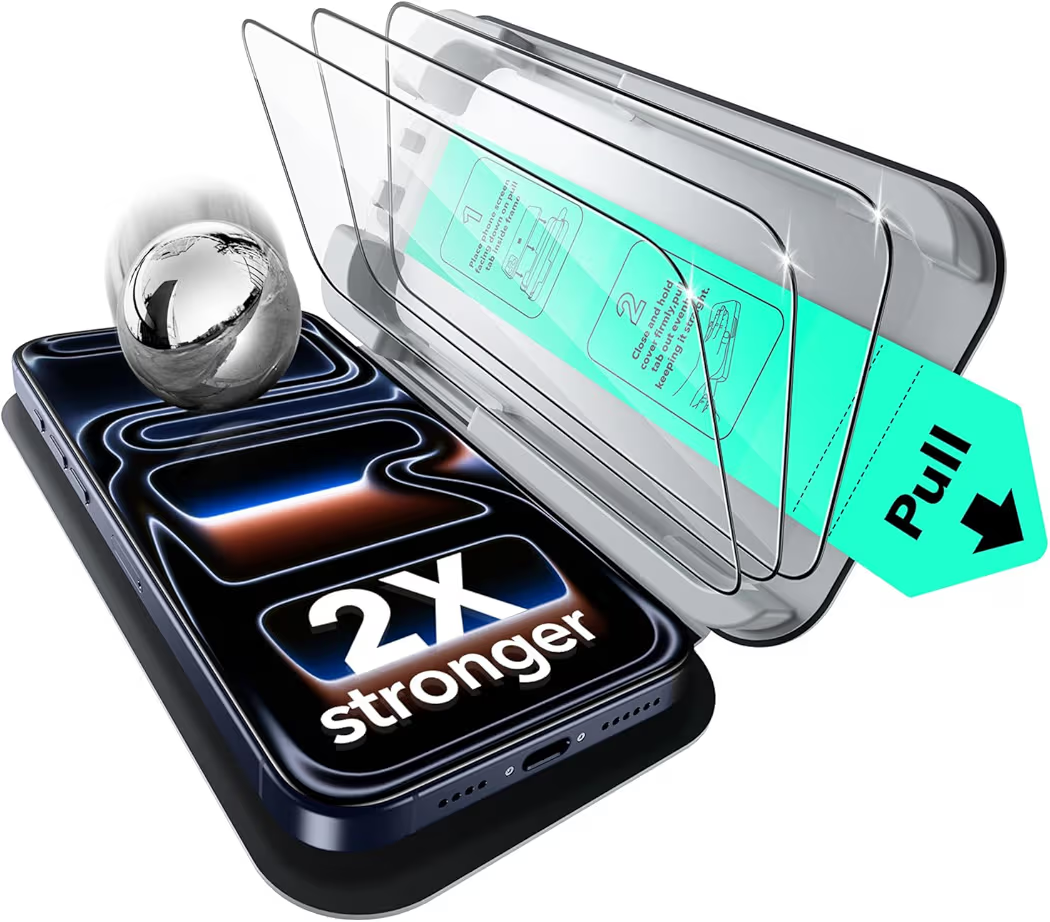
ESR 3 Pack 9H+ Glass Screen Protector
List Price: $13.99
ESR 3 Pack 9H+ Glass offers the best balance of protection, installation simplicity, and long-term value. During product research, ESR repeatedly appeared among the most recommended options because the package includes three protectors and a reliable alignment tray.
Unlike many budget protectors, ESR focuses heavily on installation accuracy. Consequently, someone installing tempered glass for the first time usually experiences fewer bubbles and alignment issues.
Key Features
- 9H tempered glass construction
- UltraFit installation tray
- Three protectors included
- High transparency finish
- Scratch-resistant coating
- Case-friendly design
Pros
- Excellent value for money
- Easy installation process
- Strong scratch protection
- Includes three protectors
- Maintains display clarity
Cons
- No privacy filter
- Basic packaging
Why ESR Stands Out
ESR delivers the strongest value proposition in the group. Three protectors cost less than many single-premium options. Furthermore, installation remains straightforward thanks to the included alignment system.
Best For
- Most iPhone 17 Pro Max owners
- Students
- Travelers
- Everyday protection
- Long-term ownership
Best Privacy Screen Protector for iPhone 17 Pro Max
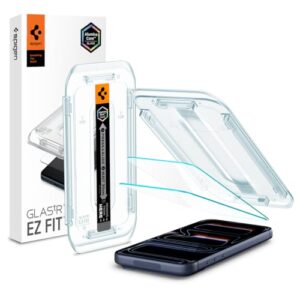
Spigen Glas.tR EZ Fit Privacy
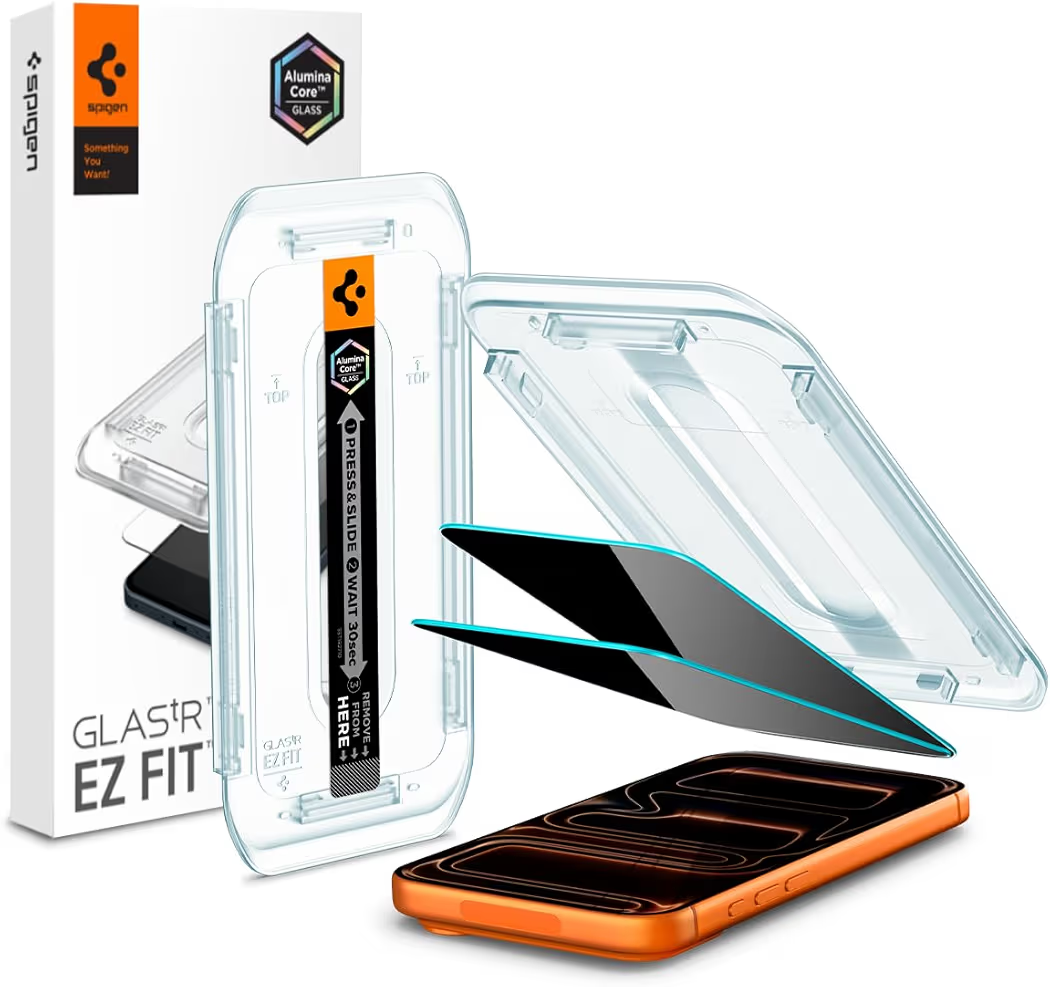
List Price: $21.99
Spigen Glas.tR EZ Fit Privacy is the best choice for protecting sensitive information in public spaces. Commuters, business professionals, and frequent travelers often appreciate the restricted viewing angles.
Spigen’s installation system remains one of the easiest on the market. Therefore, alignment mistakes become far less common compared to generic privacy protectors.
Key Features
- Integrated privacy filter
- EZ Fit installation frame
- 9H hardness rating
- Scratch-resistant coating
- Case-compatible design
Pros
- Excellent privacy protection
- Simple installation
- Premium build quality
- Strong scratch resistance
Cons
- Slight brightness reduction
- More expensive than standard glass
Best For
- Business professionals
- Frequent flyers
- Public transit commuters
- Privacy-conscious owners
Best Budget Screen Protector for iPhone 17 Pro Max
Ailun 3 Pack Screen Protector
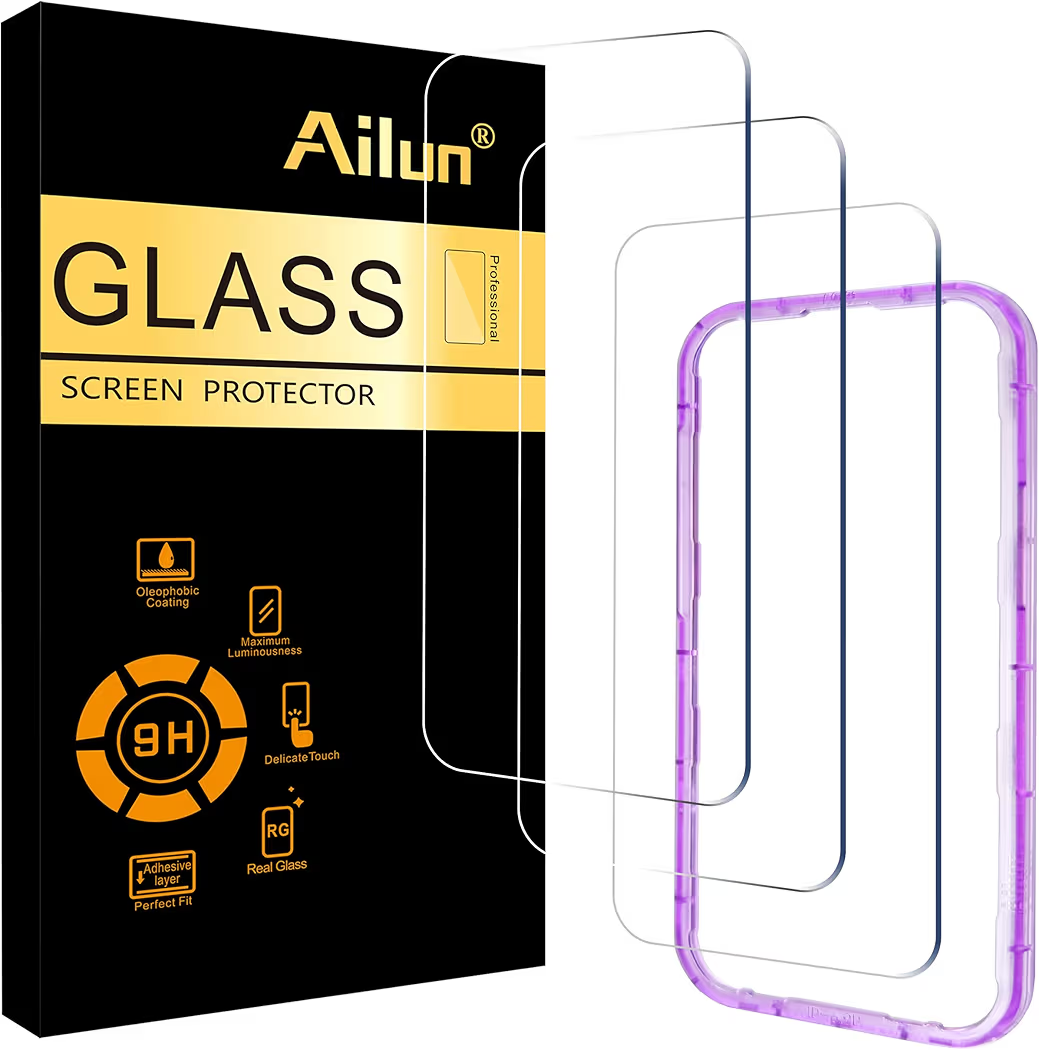
List Price: $6.98
Ailun provides outstanding value for buyers who want affordable protection. Spending less than $10 for three protectors makes Ailun one of the strongest budget choices available.
Although premium features are limited, Ailun still delivers dependable scratch resistance for daily use.
Pros
- Very affordable
- Three-pack value
- Case-friendly fit
- Easy replacement when damaged
Cons
- Fewer premium features
- Less refined packaging
Best Installation Experience
SMARTDEVIL Tempered Glass Screen Protector
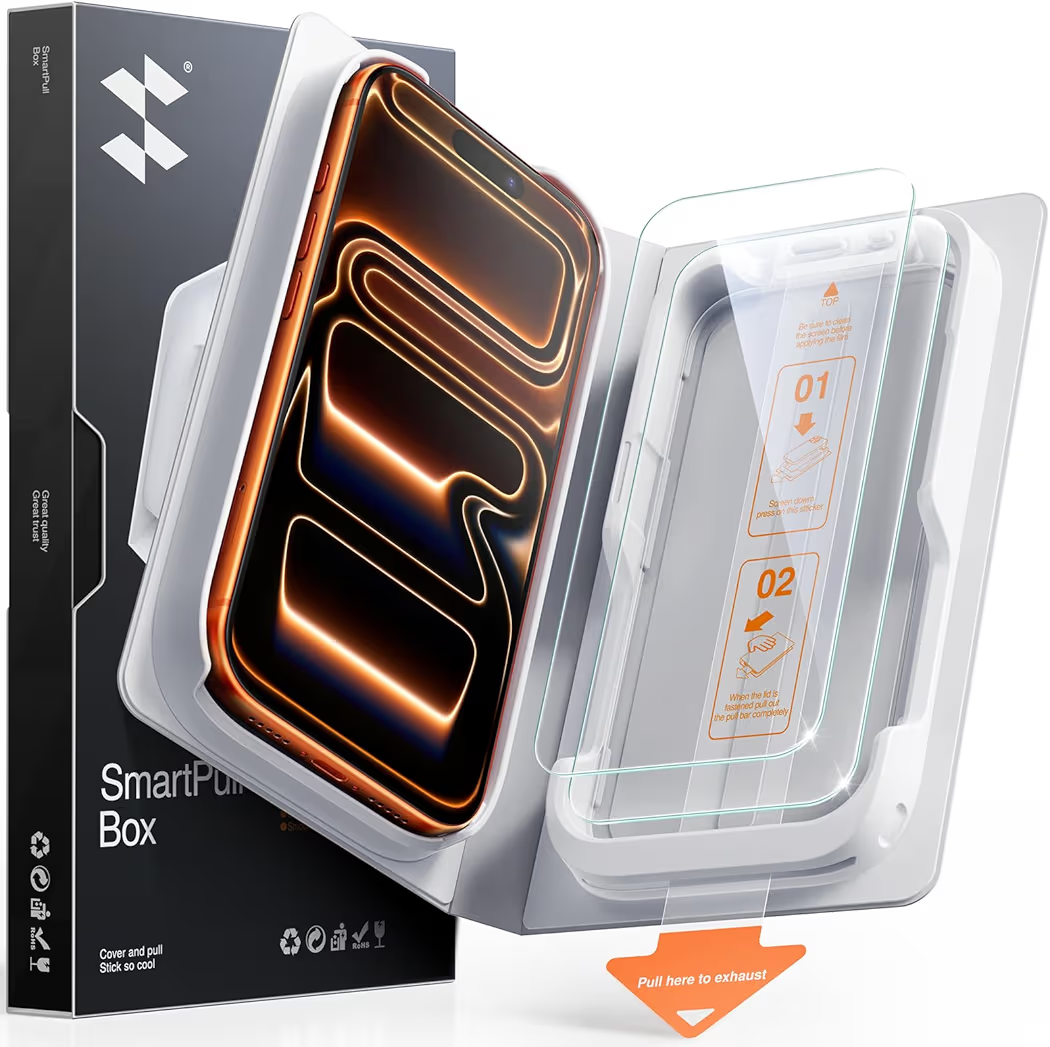
List Price: $17.99
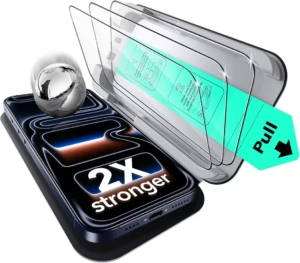
SMARTDEVIL offers one of the easiest installation experiences available. The SmartPull system reduces alignment mistakes and helps eliminate bubbles during application.
First-time installers often prefer SMARTDEVIL because the process feels less intimidating than traditional tempered glass installation methods.
Pros
- Excellent installation system
- Bubble-free application
- Strong durability
- Good clarity
Cons
- Higher price than budget options
- Only two protectors included
Best Premium Screen Protector for iPhone 17 Pro Max
ZAGG XTR5 Screen Protector
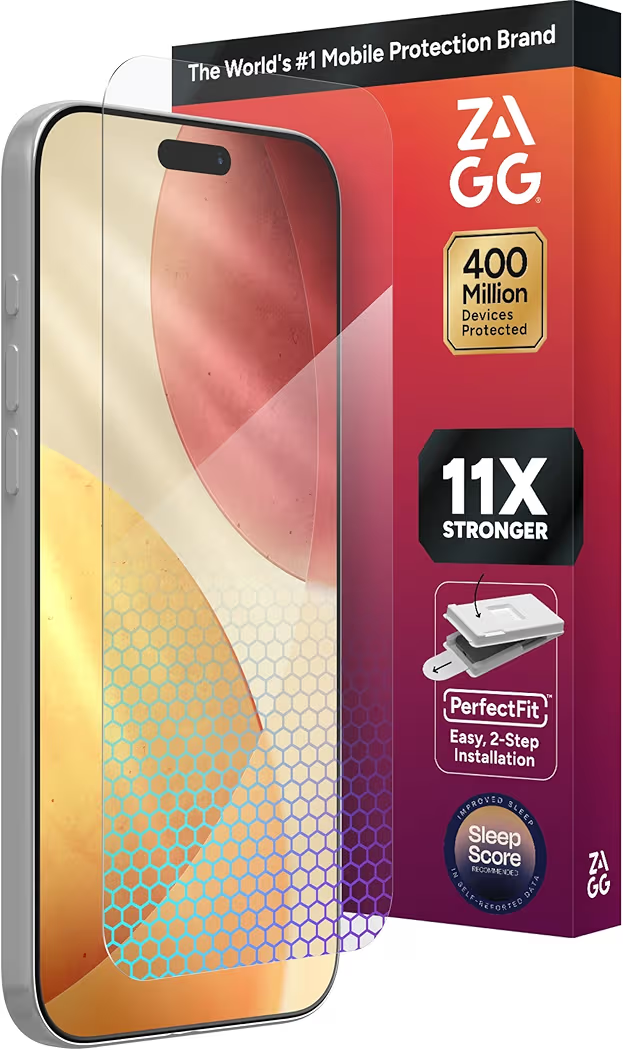
List Price: $59.99
ZAGG XTR5 targets buyers looking for premium protection and advanced display features. Additional technologies such as blue-light filtering and anti-reflective coatings help justify the higher price.
While many owners will find ESR offers better overall value, ZAGG appeals to someone willing to spend more for extra features.
Pros
- Premium construction
- Blue-light filtering
- Anti-reflective coating
- Excellent touch responsiveness
Cons
- Expensive
- Less value-focused than competitors
Does a Screen Protector Affect Face ID?
No. A properly installed screen protector does not interfere with Face ID on an iPhone 17 Pro Max. High-quality protectors are specifically designed to work around Apple’s sensor system.
Most Face ID complaints actually result from poor installation rather than the protector itself. Consequently, choosing a well-designed protector and following installation instructions carefully usually prevents problems.
Common Face ID Myths
- Face ID stops working with tempered glass
- Privacy protectors block sensors
- Glass thickness affects facial recognition
Modern premium protectors are engineered to avoid those issues.
Does a Screen Protector Affect Touch Sensitivity?
No. Quality tempered glass protectors maintain excellent touch responsiveness. Daily tasks, gaming, typing, and gesture navigation remain smooth when a protector is properly installed.
After using multiple screen protectors across flagship smartphones, responsiveness differences were usually negligible between premium protectors and a bare display.
Gaming Performance
Gaming performance remains virtually unchanged with a quality protector. Touch input accuracy generally stays consistent during fast-paced gameplay.
Typing Accuracy
Typing accuracy remains excellent. Modern protectors preserve the smooth glass surface needed for comfortable daily use.
Gesture Navigation
Gesture navigation continues to work normally. Swiping, multitasking gestures, and app switching remain responsive.
Does a Case Replace a Screen Protector?
No. A case and a screen protector serve different purposes. Cases protect edges, corners, and the rear panel, while screen protectors safeguard the display.
Many experienced smartphone owners use both accessories because combining protections addresses more damage scenarios.
For additional protection strategies, see our guides on whether a case is necessary, choosing a clear case, and finding a rugged case.
How Much Does iPhone 17 Pro Max Screen Replacement Cost?
Screen replacement costs can exceed the price of several years of screen protectors. Therefore, many owners view tempered glass as inexpensive insurance against avoidable damage.
| Protection Option | Typical Cost |
|---|---|
| Budget Screen Protector | $6 to $10 |
| Premium Tempered Glass | $15 to $60 |
| Display Repair | Significantly Higher |
Buying Guide: How to Choose the Right Screen Protector
The best screen protector depends on priorities such as privacy, durability, installation ease, and budget.
Tempered Glass vs Plastic Film
Tempered glass offers better protection than plastic film. Most iPhone 17 Pro Max owners should choose tempered glass for superior scratch resistance and durability.
What 9H Hardness Actually Means
9H hardness refers to scratch resistance against common pencil hardness testing standards. Higher ratings generally indicate stronger surface protection.
Why Installation Frames Matter
Installation frames improve alignment accuracy. Better alignment reduces bubbles and installation frustration.
Final Recommendations
- Best Overall: ESR 3 Pack 9H+ Glass on Amazon
- Best Privacy Protection: Spigen Glas.tR EZ Fit Privacy on Amazon
- Best Budget Choice: Ailun 3 Pack on Amazon
- Best Installation Experience: SMARTDEVIL Tempered Glass on Amazon
- Best Premium Option: ZAGG XTR5 on Amazon
Frequently Asked Questions
Is the iPhone 17 Pro Max Scratch Proof?
No. Ceramic Shield improves durability but does not completely prevent scratches from harder particles such as sand and quartz.
Is Ceramic Shield Better Than a Screen Protector?
No. Ceramic Shield and screen protectors serve complementary roles. Combining both provides better overall protection.
Can Sand Scratch an iPhone 17 Pro Max Screen?
Yes. Sand often contains quartz particles capable of scratching smartphone glass.
Do Screen Protectors Affect Display Quality?
No. Quality tempered glass protectors maintain excellent clarity and color accuracy.
Which Screen Protector Is Best for iPhone 17 Pro Max?
ESR 3 Pack 9H+ Glass is the strongest overall recommendation. ESR combines affordability, durability, easy installation, and excellent everyday protection.
Final Thoughts
Yes, most iPhone 17 Pro Max owners should use a screen protector. Ceramic Shield delivers impressive durability; however, Ceramic Shield cannot eliminate scratches caused by everyday exposure to abrasive materials.
For the best overall value, choose the ESR 3 Pack 9H+ Glass. Privacy-focused buyers should consider the Spigen Glas.tR EZ Fit Privacy, while budget-conscious shoppers can save money with the Ailun 3 Pack.
Meanwhile, first-time installers may prefer the SMARTDEVIL Tempered Glass, and premium buyers can explore the advanced features offered by the ZAGG XTR5
1 Comment
Comments are closed.