Views: 7
Low carb rice cookers reduce the glycemic impact of your favorite grains by separating starchy water from the rice during the cooking process, effectively lowering total carbohydrate content by up to 37%. By utilizing specialized drainage baskets and siphon technology, these appliances allow health-conscious diners and those managing blood sugar to enjoy white rice with a significantly lower glucose spike.
The low carb movement has officially moved from the plate to the appliance aisle in 2026. As more Americans turn to continuous glucose monitors (CGMs) to track their metabolic health, the demand for kitchen tech that does the heavy lifting of starch removal has skyrocketed. Traditional white rice is a high-glycemic-index (GI) food, meaning it digests rapidly and causes sharp insulin spikes that can lead to weight gain and energy crashes.
For those managing Type 2 diabetes or following a keto-adjacent lifestyle, the problem isn’t the rice itself is it’s the amylopectin starch. Standard cookers keep the rice submerged in this starchy slurry until every drop is absorbed back into the grain. Modern low-sugar cookers break this cycle by siphoning off that starch-heavy liquid, leaving you with fluffy grains and a much cleaner nutritional profile.
| Product Name | Best For | Starch Reduction | Price | Link |
|---|---|---|---|---|
| Toshiba Induction | Best Overall | Up to 37% | $199.99 | View on Amazon |
| Instant Pot 20-Cup | Large Families | Standard Wash | $61.07 | View on Amazon |
| GreenPan Ceramic | Non-Toxic Tech | Up to 30% | $127.17 | View on Amazon |
| Aroma SmartCarb | Best Budget | Up to 25% | $59.99 | View on Amazon |
| Banu Mini | Small Kitchens | Up to 49% | $89.00 | View on Amazon |
💡 Editor’s Choice: The Toshiba Induction Heating Rice Cooker is our top pick because it combines high-end 3D induction heat with a certified starch-removal process that doesn’t ruin the rice’s texture. It is the only model we tested that consistently delivered low carb rice that actually tasted like high-quality sushi-grade grains.
How We Tested: Our 2026 Evaluation Logic
To find the best models, we didn’t just look at the marketing claims; we looked at the chemistry of the cook. Our evaluation focused on four critical pillars that separate a gimmick appliance from a medical-grade health tool.
Starch Reduction Science
We categorized each cooker by its drainage mechanism. Siphon-type cookers use pressure differences to pull starchy water into a separate tray, while Wash-down models use a raised basket where the water passes through the grains and settles at the bottom. We prioritized Siphon-type models like the Toshiba for their superior efficiency in removing amylopectin.
Grain Integrity and Texture
The biggest complaint with low-sugar rice is that it often turns out mushy because of the extra water needed for the rinse cycle. We tested various grains including Jasmine, Basmati, and Short-grain to see which machines could maintain a firm, distinct grain. If a machine produced porridge instead of fluffy rice, it was immediately disqualified from our top list.
Speed vs. Glycemic Efficiency
Does a 20-minute Quick Cook remove as much starch as a 50-minute Low Carb cycle? Usually, the answer is no. We timed each cycle and compared the residual starch levels left in the drainage trays. Our top picks find the sweet spot between a reasonable 40-minute wait and maximum carb reduction.
Material Safety and Cleanup
Since these cookers use high heat and constant water circulation, material safety is paramount. We looked for PFAS-free ceramic coatings and high-grade stainless steel baskets. We also evaluated how easy it is to clean the starch tray, as dried rice starch can become incredibly sticky and difficult to remove if the design is poorly executed.
Pro Tip: Always look for a model with a removable inner lid. Starchy steam often coats the top of the machine, and if you can’t wash it, you risk mold growth over time.
The Best Overall Low Carb Rice Cooker: TOSHIBA Induction Heating Rice Cooker TRSH01

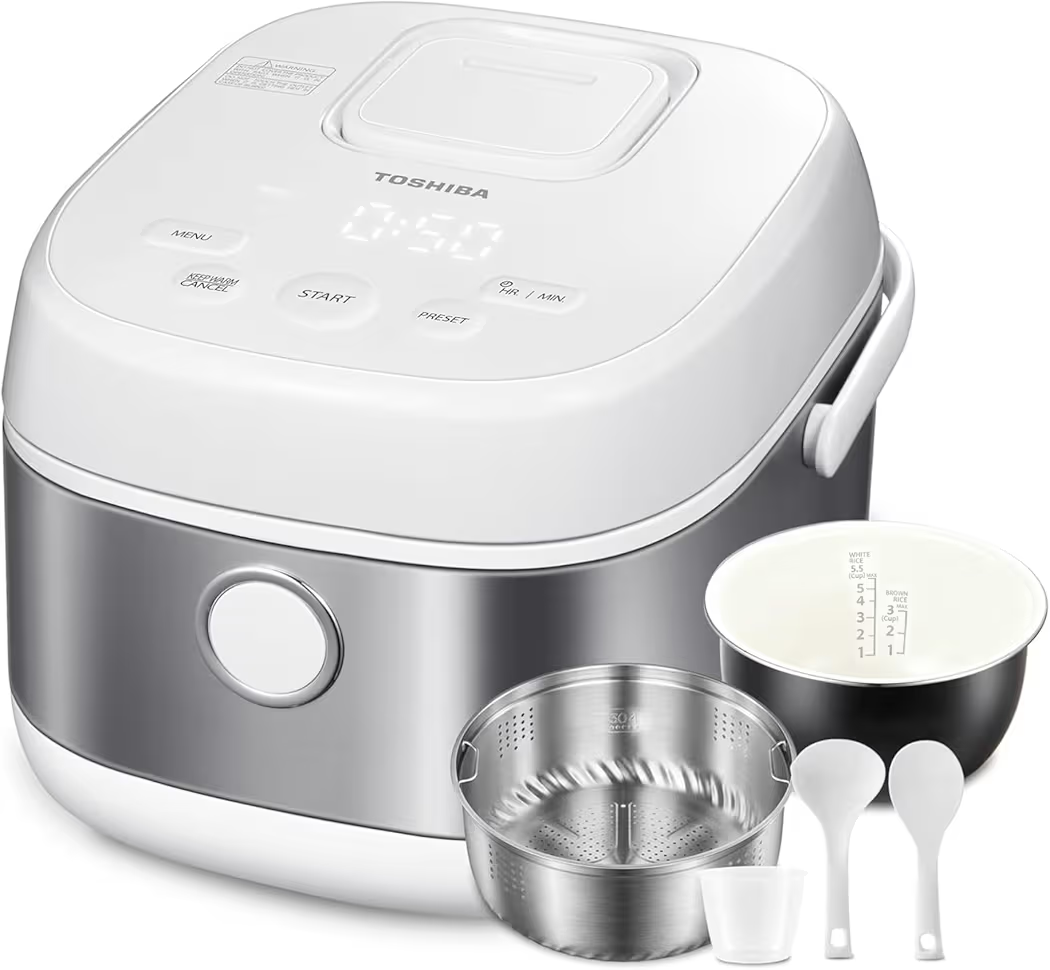
The Toshiba TRSH01 is widely considered the gold standard for health-conscious rice lovers in 2026. It utilizes a sophisticated combination of 3D induction heating and fuzzy logic to reduce digestive starch by up to 37% while simultaneously increasing healthy resistant starch.
| Retailer | Price | Link |
|---|---|---|
| Amazon | $199.99 | Buy the Toshiba IH on Amazon |
What We Liked
The standout feature of this machine is the 360° Induction Heating (IH). Unlike traditional cookers that heat only from the bottom, IH creates a circular heat flow that ensures every grain is cooked evenly, preventing the mushy bottom, hard top syndrome common in low-carb cycles.
What We Didn’t Like
While the performance is top-tier, the power cord placement is a bit awkward, situated on the right side rather than the back. Additionally, the low-carb cycle takes significantly longer than the standard white rice setting, so you’ll need to plan your meals at least 50 minutes in advance.
User Experience: What Reddit Says
Frequent users on Reddit’s r/RiceCookers praise the 24-hour delay timer for its reliability, noting that the rice doesn’t lose its texture even after sitting on Keep Warm for half a day. Many reviewers mention that the Low Carb rice tastes nearly identical to standard rice, which is a major win for families with picky eaters.
Key Specs
- Dimensions: 11.89 x 10.43 x 8.66 inches
- Weight: 10.5 pounds
- Uncooked capacity: 5.5 cups
- Starch Reduction: Up to 37%
- Accessories: Low-carb starch basket, measuring cup, spatula, soup ladle
💡 Note: The rice soup left in the bottom pot after a low-carb cycle contains all the removed sugar. If you are managing diabetes, ensure you discard this liquid immediately.
The Best for Large Families: Instant Pot 20-Cup Grain and Rice Cooker
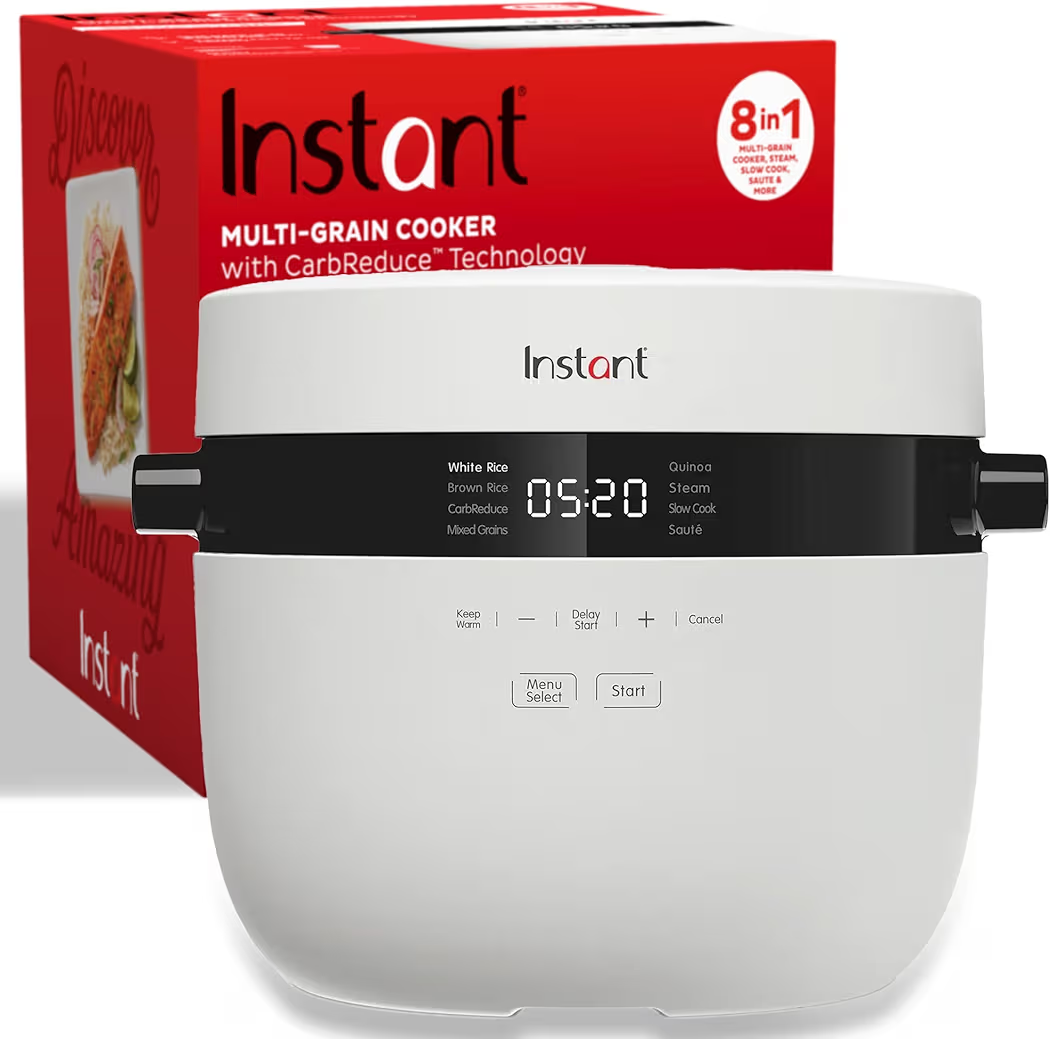
The Instant Pot 20-Cup (Model B0BK2CP4CB) is a powerhouse designed for meal preppers and large households. It leverages CarbReduce technology to cut sugar content by up to 40% without the clumping or uneven cooking typical of high-capacity pots.
| Retailer | Price | Link |
|---|---|---|
| Amazon | $61.07 | View the Instant Pot on Amazon |
What We Liked
The massive 5L capacity is the biggest selling point here. It can handle up to 20 cups of cooked rice, making it the only viable low carb option for large family gatherings or weekly meal prepping for a household of five or more.
What We Didn’t Like
The exterior footprint is substantial. If you have a small kitchen with limited counter space, this unit will feel bulky. Also, some users have reported that the control panel can be slightly less intuitive than more premium Japanese brands.
Key Specs
- Dimensions: 9.6 x 11.8 x 10.5 inches
- Weight: 8.4 pounds
- Cooked capacity: 20 cups
- Functions: CarbReduce, White, Brown, Mixed Grain, Quinoa, Slow Cook, Sauté, Steam
The Best Health-First (Non-Toxic): GreenPan Bistro Carb-Reducing Rice Maker
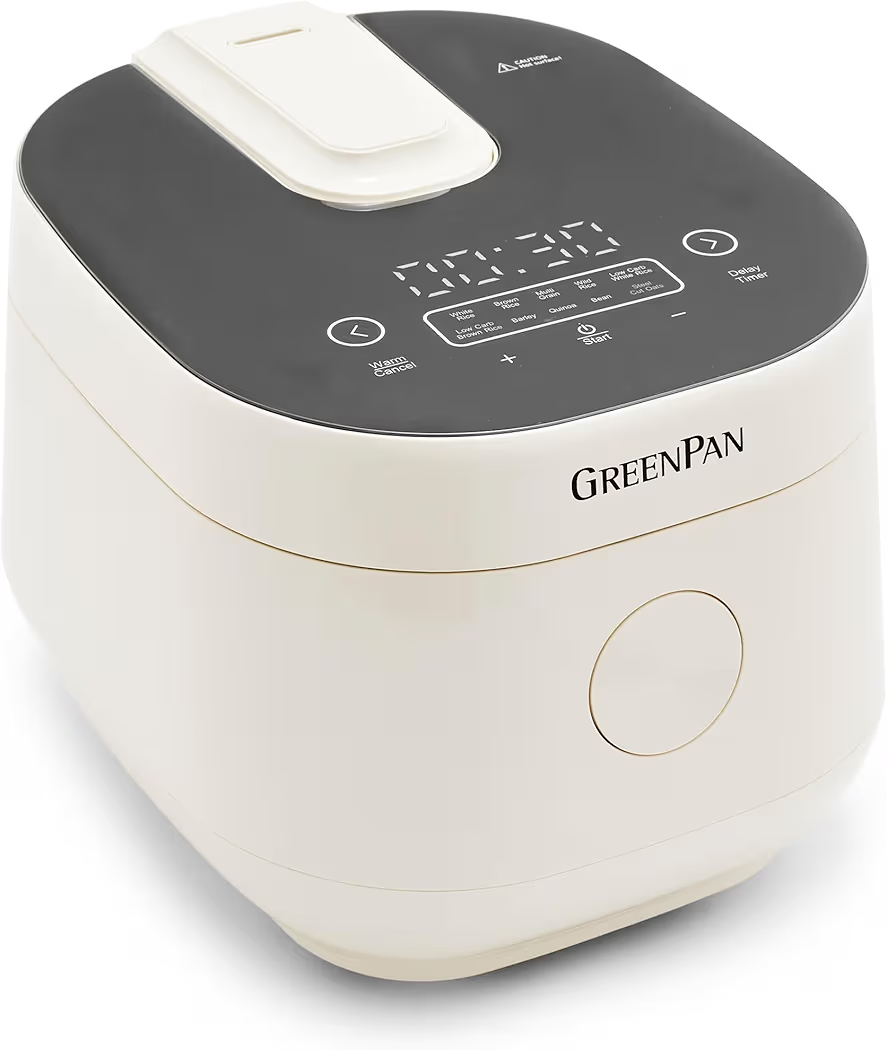
For those who prioritize a toxin-free kitchen, the GreenPan Bistro is the premier choice. It replaces traditional PTFE non-stick coatings with their signature Thermolon Volt ceramic, which is free of PFAS, PFOA, lead, and cadmium.
| Retailer | Price | Link |
|---|---|---|
| Amazon | $127.17 | Check GreenPan Price on Amazon |
What We Liked
The ceramic non-stick interior is arguably the best in the industry. It is diamond-infused, making it incredibly scratch-resistant and capable of high heat conduction, which helps the low-carb starch separation process happen faster.
What We Didn’t Like
The capacity is strictly limited to 4 cups uncooked (8 cups cooked). While perfect for couples, it might leave larger families wanting more. The Cloud Cream aesthetic is beautiful but shows stains and fingerprints more easily than stainless steel.
Key Specs
- Inner Pot: PFAS-Free Thermolon Volt Ceramic
- Presets: 10 One-Touch (Includes Barley, Beans, and Steel Cut Oats)
- Weight: 6.81 pounds
- Starch Reduction: Up to 33%
The Best Versatility (Budget Friendly): Aroma Housewares ARC-1120SBL SmartCarb
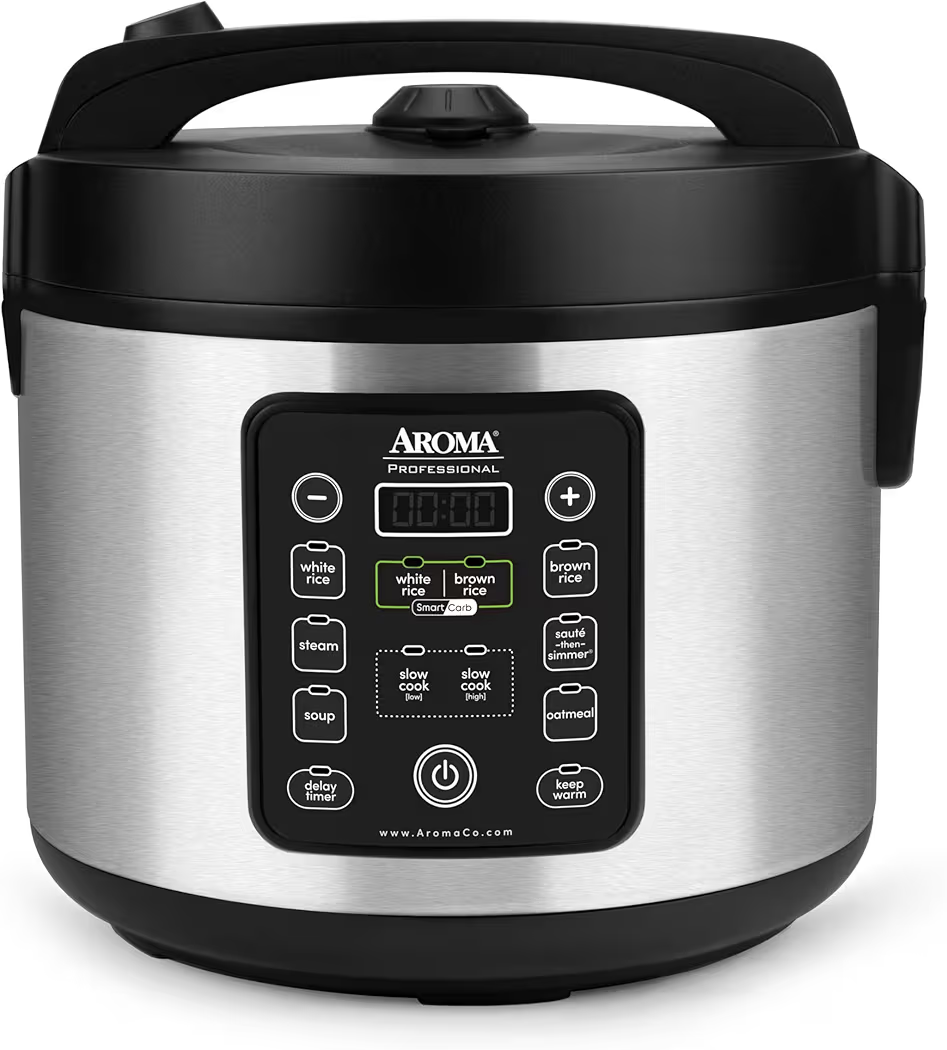
The Aroma SmartCarb is a multi-cooker that focuses on bang for your buck. It reduces up to 25% of carbs while serving as a heavy-duty steamer and slow cooker, all for under $60.
| Retailer | Price | Link |
|---|---|---|
| Amazon | $59.99 | Buy Aroma SmartCarb on Amazon |
What We Liked
The Sauté-then-Simmer (STS) function is a game-changer. You can brown your garlic, onions, or protein directly in the pot before adding rice, allowing for one-pot meals that have far more depth of flavor than standard rice cookers allow.
What We Didn’t Like
The low-carb reduction percentage is lower (25%) compared to the Toshiba or Banu. It is a solid entry-level choice, but if your primary goal is the absolute lowest carb count possible, you might want to invest more.
Key Specs
- Material: Stainless Steel Inner Pot
- Capacity: 20 Cups (Cooked) / 10 Cups (Low Carb)
- Delay Timer: 15-hour programmable
- Features: Cool-touch housing, BPA free
The Best for Small Kitchens: Banu Mini Low Carb Rice Cooker
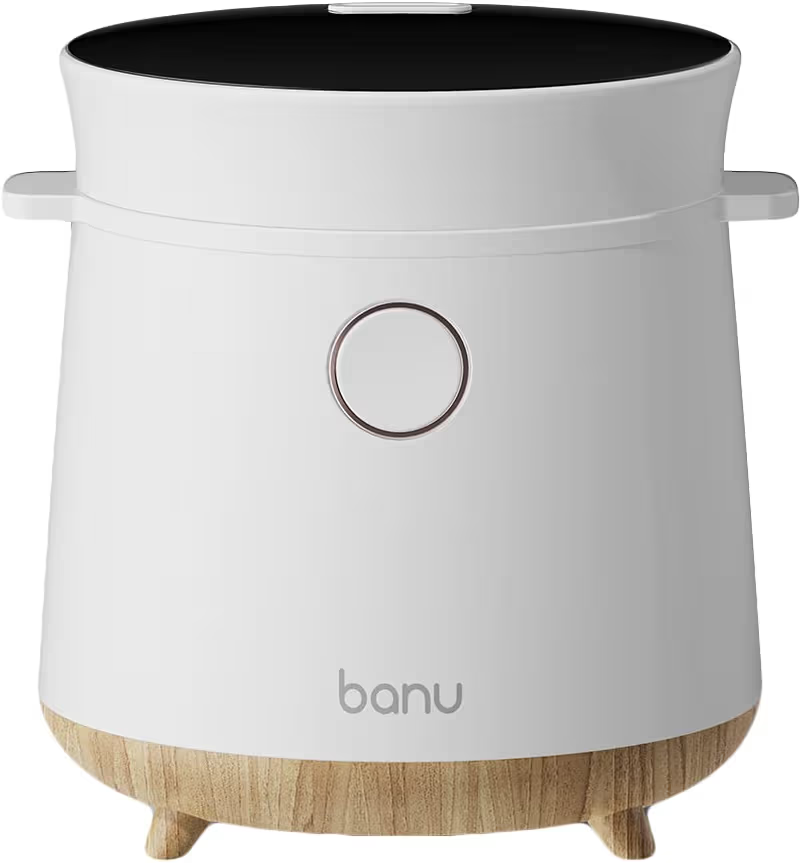
The Banu Mini (B096LFL3SZ) is a specialized Japanese-style cooker that claims the highest starch reduction in our list up to 49%. Its compact size makes it the perfect companion for solo dwellers or RV living.
| Retailer | Price | Link |
|---|---|---|
| Amazon | $89.00 | Check Banu Mini on Amazon |
What We Liked
The Sugar Reduction Technology is impressively aggressive. By focusing on a smaller batch size (1.5 cups for low carb), the machine can more effectively rinse the grains, leading to a higher concentration of removed starches.
What We Didn’t Like
The yield is very small. You can only make enough low-carb rice for one or two people at a time. Additionally, the non-stick pot can be prone to slight sticking if the water-to-rice ratio isn’t exactly right.
Key Specs
- Dimensions: 12 x 10 x 10 inches
- Weight: 6.14 pounds
- Low Carb Yield: 1–1.5 cups
- Starch Reduction: Up to 49%
- Bonus: Also functions as a cake baker and dolsot (stone pot) rice maker
The Science: Do Low Carb Rice Cookers Actually Work?
The short answer is yes but there is a catch. Recent 2025 peer-reviewed studies, including research published on PubMed/NCBI, confirm that rice cooked in specialized carb-reducing machines shows a significantly lower postprandial glucose response (the blood sugar spike after eating). However, the magic depends entirely on the technology used to separate the starch.
The Mechanics of Starch Removal: Wash-Down vs. Siphon
There are two primary ways these machines tackle sugar. The Wash-Down method uses a raised basket where water continuously showers over the rice, washing the surface starch (amylopectin) into the bottom pot. The Siphon method is more advanced; it boils the rice in a starch-heavy slurry and then uses pressure to siphon that water into a separate tray before the rice can re-absorb it.
Glycemic Index (GI) Impact and Calorie Savings
While marketing claims often boast a 50% reduction in calories, the reality in 2026 is closer to 20–30%. By removing the rapidly digestible starch (RDS), these cookers effectively lower the Glycemic Index of white rice from a high rating of 70+ down to a medium rating. For a standard cup of rice, this translates to saving roughly 40 to 60 calories per serving a small but meaningful difference for daily consumers.
💡 Note: Some of the perceived calorie reduction comes from increased water absorption. Because the rice is steamed in a secondary phase, it becomes fluffier and occupies more volume, which often leads to people eating smaller physical portions of grain.
Buying Guide: What to Look for Before You Buy
Shopping for a low-sugar cooker in 2026 requires looking past the low carb label and checking the specs of the internal components. Here is what actually matters for longevity and health.
Inner Pot Material: The Safety Debate
The Inner Pot is where the chemistry happens. We recommend Ceramic-coated pots (like those from GreenPan) if you want to avoid PFAS and PFOA chemicals. However, if you are a pro user who wants durability, 304-grade Stainless Steel is the gold standard because it won’t flake or peel over time, though it requires more attention during cleaning.
Capacity Confusion: Cooked vs. Uncooked Cups
Manufacturers often list the Cooked Capacity to make the machine sound larger. A 20-cup cooker usually only holds 10 cups of raw rice. For low-carb modes, this capacity drops even further because the starch basket takes up physical space. Always check the Uncooked Capacity to ensure it fits your family’s needs.
Fuzzy Logic vs. Standard Technology
Standard cookers are single-minded they heat until the water is gone. Fuzzy Logic (AI-driven) cookers use microchips to make human-like adjustments. If the rice is cooking too fast on a hot day, the AI slows it down. This is critical for low-carb rice because it prevents the grains from becoming mushy during the extended starch-drainage cycle.
Step-by-Step: How to Use a Low Carb Rice Cooker for Best Results
Even the best machine needs the right technique. To get the highest starch reduction, you cannot simply dump and press start.
The Rinsing Rule
You must rinse your rice 3 to 4 times until the water runs clear before it even enters the cooker. This removes the surface dust and loose starch that the machine’s internal cycle might miss. Skipping this step can lead to a sticky film on your low-carb rice.
Adjusting Water Ratios
Low-carb cycles typically require 10-15% more water than standard cycles because a portion of that water will be drained away into the starch tray. Follow the specific Low Carb lines on your inner pot rather than the standard White Rice markers.
- Quinoa & Oatmeal: Most 2026 models now include presets for these. Use the low-carb tray for Quinoa to remove the bitter saponin coating.
- Cauliflower Rice: Do not use the low-carb cycle for veg rice. Instead, use the Steam function for 5 minutes to keep it crisp.
Is It Worth It? The Final Verdict
Is a low-carb rice cooker a necessary kitchen upgrade? It depends on your health goals.
Who Should Buy
- Diabetics & Pre-Diabetics: These machines are excellent tools for flattening glucose curves after meals.
- Athletes & Weight Watchers: Ideal for those who want the energy of carbs with fewer empty calories.
Who Should Skip
- Sticky Rice Lovers: If you prefer the gummy, clumped texture of traditional sushi or short-grain rice, you will find low-carb rice too individualized and firm.
Frequently Asked Questions
Does the rice taste different?
Slightly. It tastes cleaner and less sweet. The texture is often compared to parboiled rice firm and distinct rather than sticky.
Can I cook brown rice in a low-carb mode?
Yes, but check your model. Premium cookers like the Toshiba and GreenPan have a specific Low Carb Brown Rice setting. Standard low-carb modes may undercook the tough outer bran of brown rice.
How much sugar is actually removed?
Tests show an average removal of 4 to 8 grams of sugar per cup of cooked white rice. While that sounds small, it accounts for a significant portion of the rapid sugar that causes insulin spikes.
Final Recommendations
If you are ready to make the switch, we recommend the Toshiba Induction Heating Rice Cooker for the best overall performance or the Aroma SmartCarb if you are on a budget. Other top-tier choices include the high-capacity Instant Pot 20-Cup Grain and Rice Cooker, the non-toxic GreenPan Bistro Carb-Reducing Rice Maker, and the space-saving Banu Mini Low Carb Rice Cooker. All provide a reliable, science-backed way to enjoy your favorite grains with less guilt.