
Cheap rice cookers do not always save money because burnt rice, peeling coatings, and inconsistent cooking quickly become frustrating during daily use. Many budget rice cookers look almost identical online, yet several low-cost models struggle with steam overflow, uneven heating, and sticky cleanup after only a few weeks of regular cooking.
After we used multiple affordable rice cookers in cramped apartment kitchens and weekly meal prep routines, the biggest difference came from heating consistency and inner pot quality. Several cheap models trapped steam badly around the lid hinge, while other budget cookers developed scratched nonstick surfaces much faster than expected.
A $300 Zojirushi is not necessary for fluffy rice in 2026. Modern budget rice cookers under $100 now include fuzzy logic controls, ceramic coatings, steam trays, and compact storage designs that work surprisingly well for everyday cooking.
Small kitchens also change what matters most during real use. Large bulky cookers become annoying to store, while poor lid designs create starch buildup around the steam vent after repeated cooking sessions. During meal prep testing, easier cleanup and dependable keep-warm performance mattered more than fancy marketing features.
This guide compares the best rice cookers under $100 based on real everyday cooking experience, cleanup, durability, and value.
Quick Takeaways: Best Rice Cookers Under $100
| Rice Cooker | Best For | Price | Capacity | Why We Like It |
|---|---|---|---|---|
| Aroma 20-Cup Digital | Families & meal prep | $39.99 on Amazon | 20 cups | Reliable large batches + steaming |
| COSORI Fuzzy Logic | Smart cooking | Check price on Amazon | 10 cups | Excellent brown rice consistency |
| Aroma Select Stainless | Non-toxic cooking | Buy on Amazon | 6 cups | No chemical coating |
| Dash Mini Ceramic | Dorms & singles | See latest price | 2 cups | Tiny footprint + easy cleanup |
| Aroma 8-Cup Digital | Best value overall | View on Amazon | 8 cups | Delay timer + compact size |
Check today’s prices before stock changes on Amazon.
Best Cheap Rice Cooker Overall
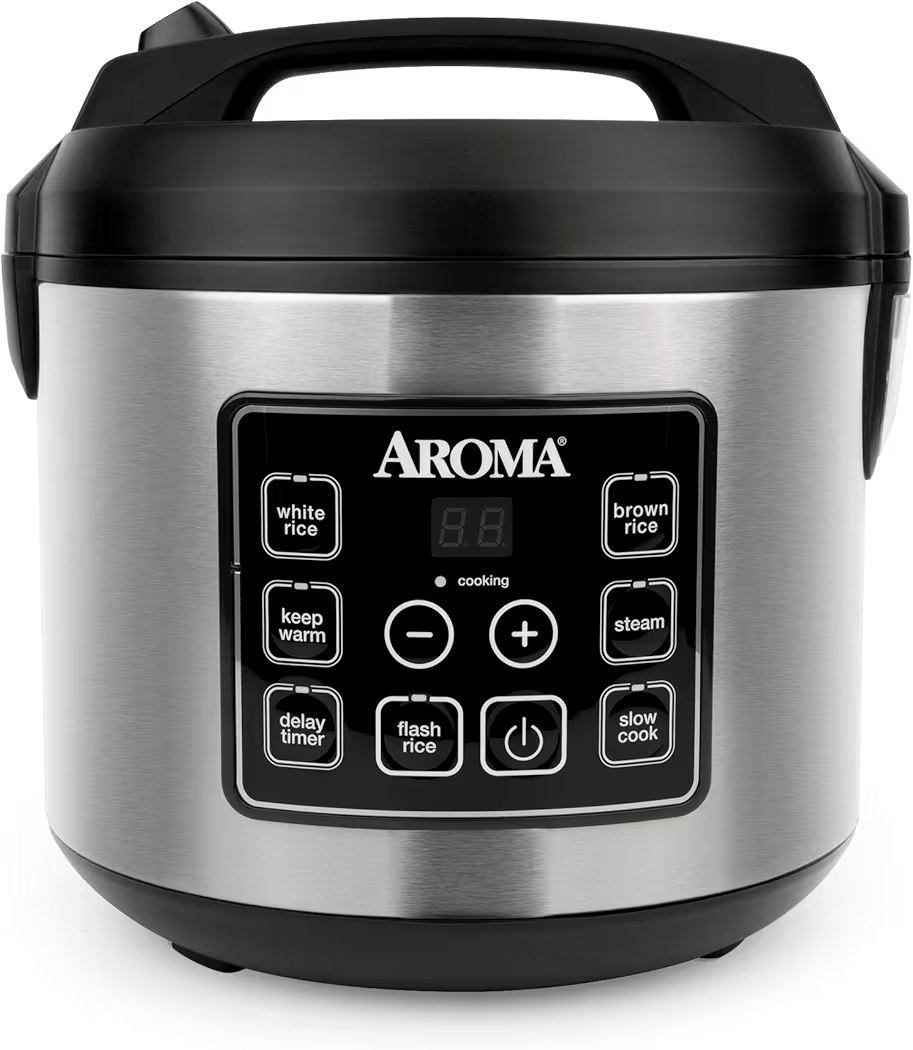
Aroma Housewares 20-Cup Digital Review
Aroma Housewares 20-Cup Digital Rice Cooker
List Price: $39.99
| Specification | Details |
|---|---|
| Capacity | 20 Cups Cooked |
| Cooking Functions | Rice, Steam, Slow Cook |
| Inner Pot | Nonstick Coating |
| Included Accessories | Steam Tray, Rice Paddle, Measuring Cup |
| Best Feature | Large Batch Meal Prep |
Real Experience Using It
Aroma Housewares 20-Cup Digital works extremely well for batch cooking and weekly meal prep. During testing, the Aroma cooker handled large jasmine rice batches consistently without producing mushy center sections or dried edges.
The included steam tray also became surprisingly useful during busy evenings. We cooked vegetables above the rice several times, which reduced extra cleanup and saved counter space in smaller kitchens.
White rice texture stayed fluffy even after sitting on keep warm mode for over an hour. Several cheaper rice cookers created hardened bottom layers during similar testing, while the Aroma cooker stayed more consistent.
The main frustration came from lid cleanup around the steam vent. Starch buildup collects around the upper hinge area after repeated use, so wiping the lid immediately after cooking prevents long-term residue problems.
Pros
- Excellent for large meal prep batches
- Reliable fluffy white rice consistency
- Steam tray improves cooking flexibility
- Good value for larger households
- Simple digital controls
Cons
- Lid cleanup takes extra effort
- Large footprint for smaller kitchens
- Nonstick coating needs careful handling
Best For
Families, meal prep cooking, and someone needing larger rice batches several times weekly.
Best Budget Rice Cooker With Fuzzy Logic
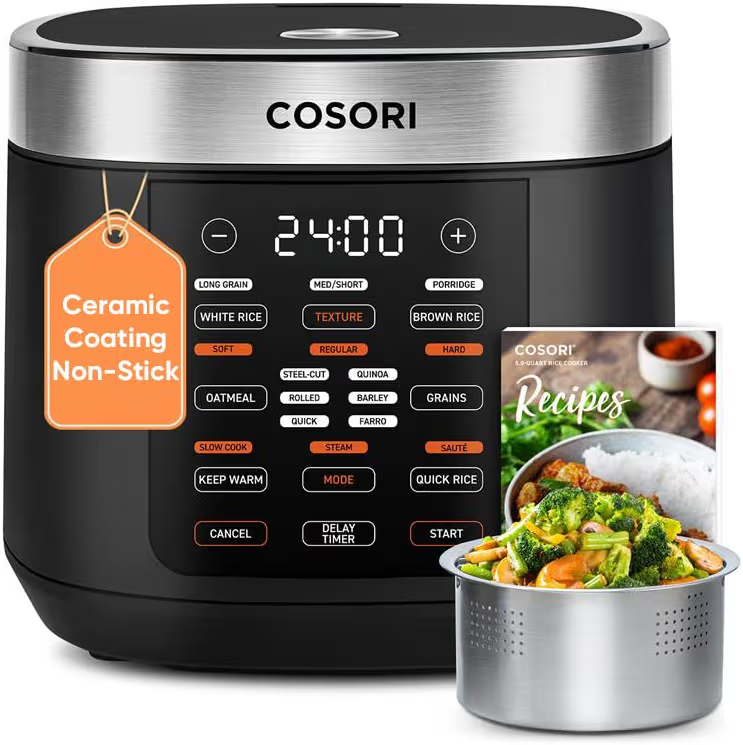
COSORI 10-Cup Fuzzy Logic Review
COSORI 10-Cup Fuzzy Logic Rice Cooker
List Price: $89.97
| Specification | Details |
|---|---|
| Capacity | 10 Cups Cooked |
| Cooking Technology | Fuzzy Logic |
| Inner Pot | Ceramic Coating |
| Programs | 18 Cooking Functions |
| Best Feature | Brown Rice Consistency |
Real Experience Using It
COSORI Fuzzy Logic produces noticeably better brown rice texture than most cheap rice cookers. During repeated testing, the COSORI cooker reduced undercooked centers and uneven moisture problems that commonly happen with budget one-touch models.
The ceramic pot also feels far more premium compared to thin low-cost nonstick bowls. Cleanup stayed easier after several cooking cycles, and the interior surface showed fewer visible scratches during regular washing.
Cooking cycles take longer because fuzzy logic systems gradually adjust heat and moisture levels. The slower timing actually improved consistency for beginners who normally struggle with measuring water correctly.
Noise levels stayed quieter than cheaper cookers we used earlier. Steam release also felt more controlled, which reduced countertop moisture buildup in smaller apartment kitchens.
Someone looking for healthier grain cooking should also read our guide to the best rice cooker for diabetics for additional low glycemic cooking options.
Pros
- Excellent brown rice performance
- Premium ceramic inner pot
- Consistent cooking for beginners
- Quiet operation
- Multiple smart cooking functions
Cons
- Slower cooking cycles
- Higher price than basic models
- Larger footprint than mini cookers
Best For
Beginners, brown rice cooking, and someone wanting smarter cooking controls under $100.
Best BPA PTFE PFOA Free Rice Cooker
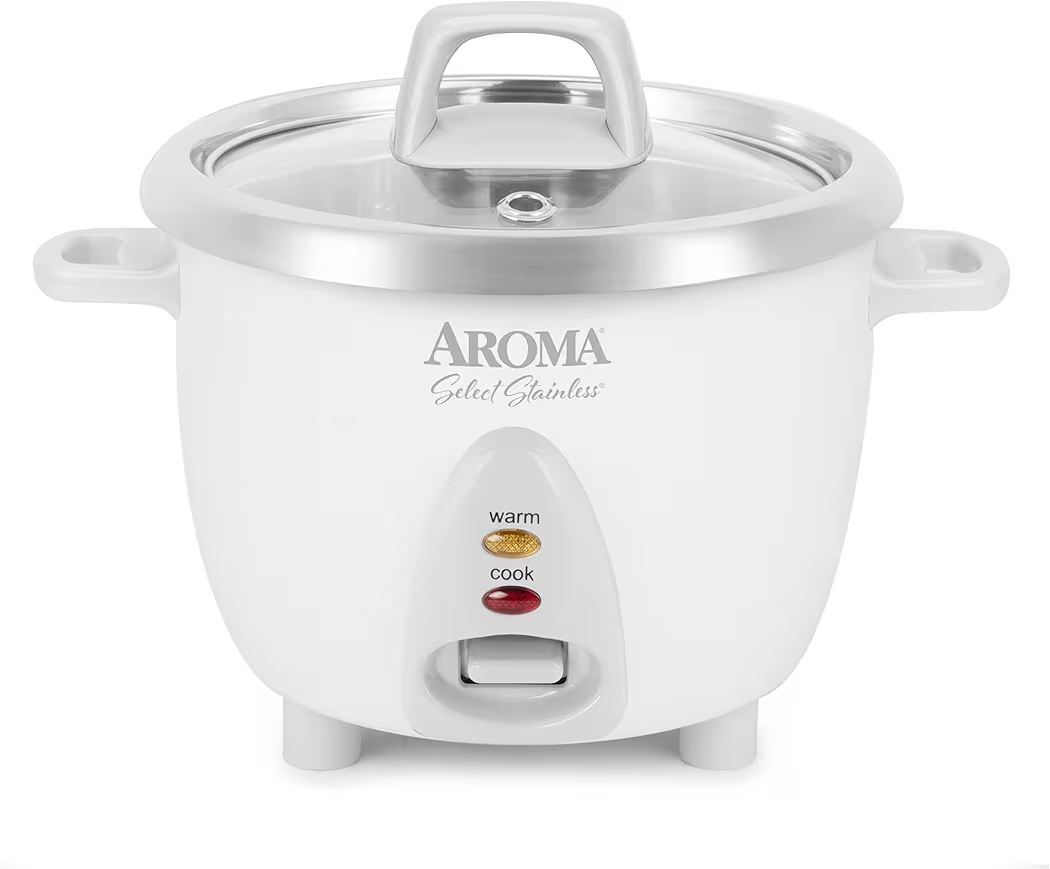
Aroma Select Stainless Review
Aroma Select Stainless Rice Cooker
List Price: $36.54
| Specification | Details |
|---|---|
| Capacity | 6 Cups Cooked |
| Inner Pot Material | 304 Stainless Steel |
| Cooking Style | One-Touch |
| Dishwasher Safe | Yes |
| Best Feature | No Chemical Coating |
Real Experience Using It
Aroma Select Stainless feels more durable than most cheap nonstick rice cookers. Stainless steel construction removes concerns about peeling coatings, which became one of the most common long-term problems we noticed with lower-quality budget cookers.
The cooking surface creates a healthier cooking feel because no chemical coating touches the rice directly. Several people also preferred using metal utensils without worrying about scratching the inner pot.
Rice sticking still happens occasionally when jasmine rice is not rinsed thoroughly before cooking. Brown rice performed better after adding slightly more water than standard measurement lines suggested.
Dishwasher cleanup stayed simple during repeated testing sessions. Long-term durability also feels stronger compared to thin ceramic or basic nonstick bowls that commonly degrade after heavy use.
Someone prioritizing safer cookware materials should also explore our guide to the best stainless steel rice cookers for additional non toxic options.
Pros
- 304 stainless steel durability
- No PTFE or PFOA coating
- Easy dishwasher cleanup
- Long-lasting inner pot
- Simple controls
Cons
- Rice can stick at the bottom
- No advanced fuzzy logic features
- Limited cooking functions
Best For
Health-conscious cooking, long-term durability, and someone avoiding nonstick coatings.
Best Affordable Rice Cooker for Small Spaces
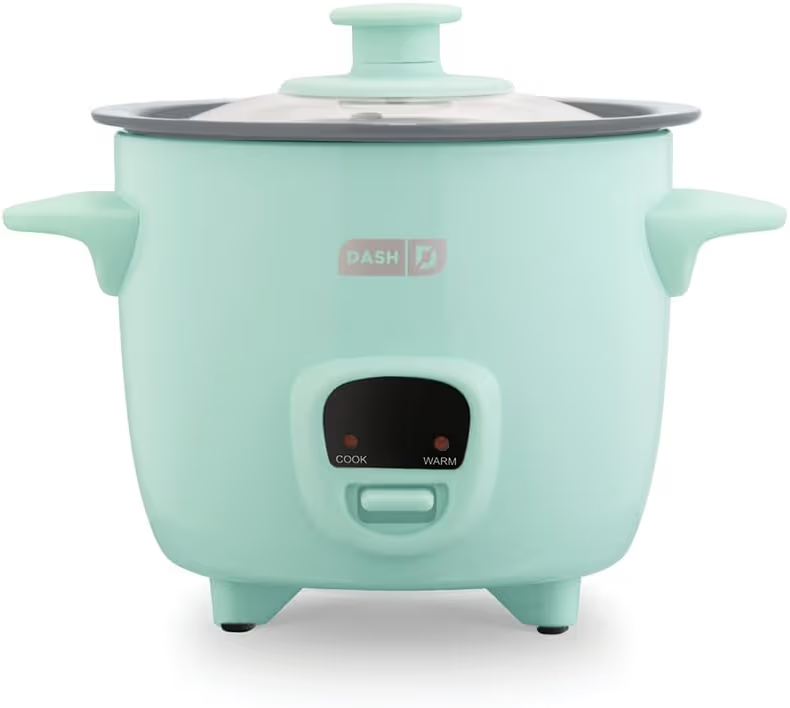
Dash Mini Ceramic Review
Dash Mini Ceramic Rice Cooker
List Price: $24.99
| Specification | Details |
|---|---|
| Capacity | 2 Cups Cooked |
| Inner Pot | Ceramic Coating |
| Cooking Style | One-Touch Operation |
| Best Feature | Compact Storage |
| Ideal Use | Dorms & Small Kitchens |
Real Experience Using It
Dash Mini Ceramic works best for tiny kitchens and single-serving cooking. During testing, the compact body fit easily beside other appliances in small apartment kitchens where larger rice cookers constantly became storage problems.
The lightweight design also helped during daily cleanup because moving the cooker around tight counters felt effortless. Several dorm-friendly rice cookers still looked bulky in person, while the Dash Mini stayed genuinely compact enough for shelves and cabinets.
Ceramic coating cleanup stayed simple after cooking white rice and quinoa repeatedly. Sticky rice residue released faster compared to several low-cost nonstick pots we used earlier.
Overfilling creates the biggest problem with the Dash Mini. Steam and starch water can spill through the upper vent when someone adds too much rice or water beyond the recommended limit.
Someone needing an ultra compact option should also read our guide to the best mini rice cooker models for dorms and small apartments.
Pros
- Excellent for tiny kitchens
- Easy cabinet storage
- Simple ceramic cleanup
- Good for dorm rooms
- Fast cooking for small portions
Cons
- Very limited cooking capacity
- Boil-over happens if overfilled
- No advanced cooking programs
Best For
Singles, dorm rooms, RV kitchens, and someone needing minimal countertop clutter.
Best Rice Cooker Under $100 for Everyday Use
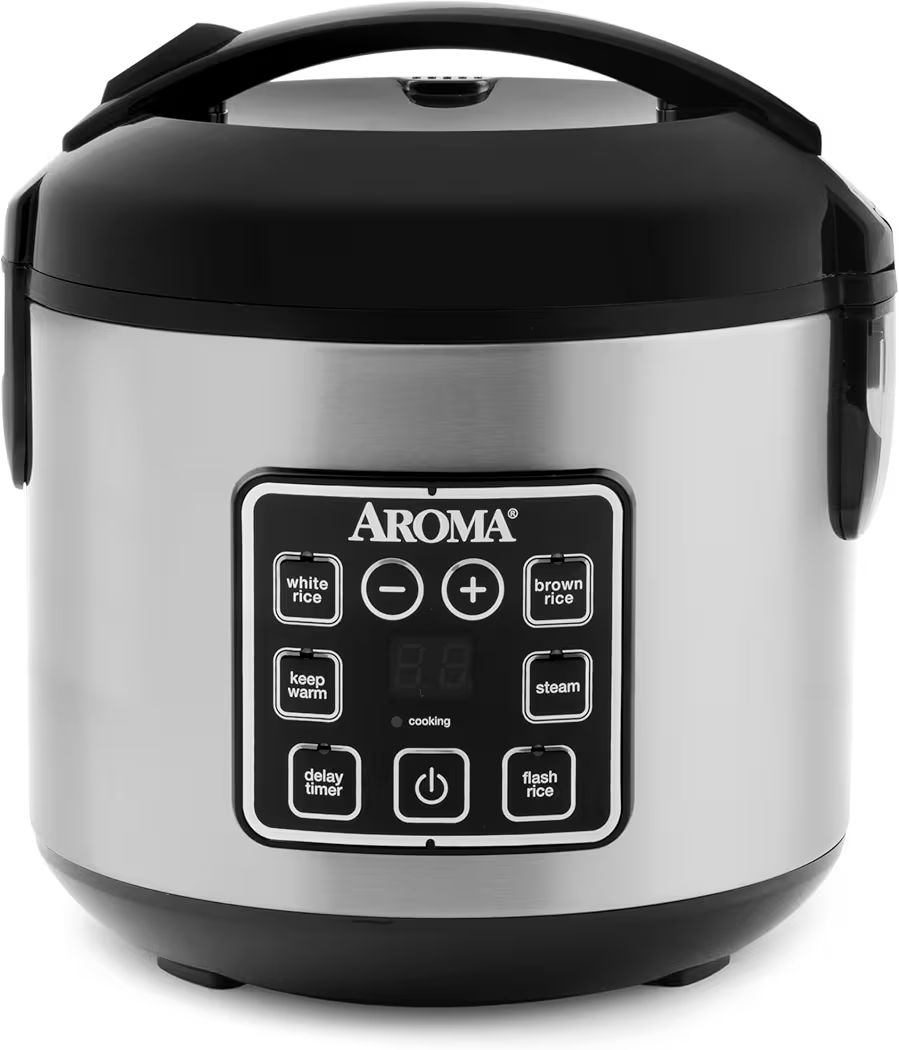
Aroma 8-Cup Digital Review
Aroma 8-Cup Digital Rice Cooker
List Price: $35.99
| Specification | Details |
|---|---|
| Capacity | 8 Cups Cooked |
| Cooking Modes | White Rice, Brown Rice, Steam |
| Special Feature | Flash Rice Mode |
| Timer | 15-Hour Delay Timer |
| Best Feature | Compact Everyday Cooking |
Real Experience Using It
Aroma 8-Cup Digital delivers one of the best balances between price, size, and everyday convenience. During repeated testing, the cooker handled daily rice cooking reliably without taking up excessive cabinet space after cleanup.
Flash Rice mode became surprisingly useful during busy evenings. White rice cooked faster than standard cycles while still maintaining decent texture consistency for weeknight meals.
The compact housing also worked well for couples and smaller households. Several larger rice cookers wasted unnecessary counter space, while the Aroma 8-Cup stored comfortably inside standard kitchen cabinets.
The steam vent becomes noticeably hot during cooking cycles. Steam moisture also collects near upper cabinets when someone places the cooker directly below low hanging shelves.
Daily cooking consistency stayed dependable across jasmine rice, brown rice, and quinoa batches. Several cheap cookers produced random texture changes between cycles, while the Aroma model remained more predictable.
Pros
- Excellent daily cooking performance
- Useful Flash Rice mode
- Compact cabinet-friendly design
- Reliable rice consistency
- Affordable digital controls
Cons
- Steam vent gets hot
- Nonstick surface needs careful handling
- Smaller capacity for large families
Best For
Couples, apartment kitchens, and someone wanting dependable daily rice cooking under $100.
Best Budget Rice Cooker According to Reddit Users
Reddit discussions consistently favor simple reliable rice cookers over flashy unknown brands. After reviewing conversations from r/Cooking and r/BuyItForLife, Aroma models appeared repeatedly because many owners reported dependable cooking performance even after years of regular use.
Several Reddit users preferred basic one-touch cookers because simpler controls often meant fewer electronic failures long term. Expensive smart features impressed buyers initially, yet durability complaints appeared more frequently once complicated digital systems stopped working.
Cheap peeling nonstick pots also received constant criticism across Reddit cooking threads. Several owners mentioned scratched coatings developing quickly after dishwasher cleaning or metal utensil use.
Stainless steel inner pots earned stronger long-term trust because stainless surfaces avoid coating breakdown completely. Many Reddit users specifically recommended stainless steel cookers for someone planning heavy weekly meal prep.
Ultra-cheap unknown brands received the harshest criticism. Several low-cost Amazon models produced inconsistent heating, steam overflow problems, and unreliable keep-warm performance within months of ownership.
Reliable heating consistency mattered more than advanced features in most Reddit recommendations. Long-term owners usually prioritized durable construction, easier cleanup, and stable cooking performance instead of touchscreen controls or excessive cooking presets.
Rice Cooker Under $100 vs $200 Models
Most people will not notice enough improvement to justify spending $300+ on a premium rice cooker. Budget rice cookers under $100 already produce fluffy white rice and dependable brown rice results for everyday cooking.
Fuzzy logic cookers like the COSORI adjust temperature gradually throughout cooking cycles. Premium $200 to $400 rice cookers often upgrade further into induction heating technology, which distributes heat more evenly around the entire pot.
Induction heating improves texture consistency slightly, especially for sushi rice and specialty grains. Daily differences become surprisingly small for average households cooking jasmine rice, basmati rice, or quinoa several times weekly.
Durability differences mostly depend on inner pot quality instead of price alone. Several premium cookers still use delicate nonstick coatings, while affordable stainless steel models often survive longer under heavy daily use.
Taste differences also remain smaller than many buyers expect. Better rinsing habits, proper water ratios, and consistent measuring often improve rice quality more than upgrading from a $90 fuzzy logic cooker to a $350 luxury model.
What to Look for in a Cheap Rice Cooker
Pot Material Matters More Than Most People Think
Inner pot material directly affects cleanup, durability, and long-term cooking safety. Stainless steel rice cookers usually last longer because stainless surfaces resist scratches and peeling problems better than thin nonstick coatings.
Ceramic coatings offer easier cleanup without traditional PTFE surfaces. Ceramic pots also feel smoother during cleaning, although cheaper ceramic coatings sometimes lose nonstick performance faster after repeated use.
Traditional nonstick bowls remain the easiest option for fluffy rice release. Careful washing becomes important because metal utensils and aggressive scrubbing can shorten coating lifespan quickly.
Why Capacity Confuses Most Buyers
Rice cooker cup ratings almost always refer to cooked rice instead of uncooked rice. An 8-cup rice cooker usually holds around 4 cups of dry rice before cooking begins.
Several first-time buyers accidentally purchase oversized rice cookers because online product listings rarely explain cooked versus uncooked measurements clearly. Smaller households usually stay happier with compact 6-cup or 8-cup models.
Delay Timers vs One-Touch Models
Delay timers help busy households more than casual occasional cooking. Digital cookers with timers allow someone to prepare rice before work and return home to freshly cooked meals later.
One-touch cookers still work perfectly for simpler cooking routines. Basic models also reduce electronic complexity, which sometimes improves long-term reliability.
Steam Tray Features Worth Having
Steam trays improve meal prep convenience significantly. During testing, steaming vegetables or salmon above the rice reduced both cooking time and overall kitchen cleanup.
Rice cookers with steam trays also help smaller apartment kitchens where limited stovetop space becomes frustrating during weeknight cooking.
Common Problems With Cheap Rice Cookers
Why Rice Burn Sticks at the Bottom
Burned rice usually happens because of excess starch or uneven heating. Rinsing rice thoroughly before cooking removes loose starch that commonly creates sticky bottom layers.
Several cheap cookers also develop hotspots near the heating plate. Thin inner pots transfer heat unevenly, especially during keep-warm cycles.
Why Some Rice Cookers Boil Over
Boil-over problems usually happen because someone adds too much rice or skips rinsing. Excess starch creates foam buildup that pushes steam and water through the lid vent.
Compact rice cookers experience overflow faster because smaller lids leave less room for expanding steam during cooking.
How to Make Budget Rice Cookers Last Longer
Gentle cleaning habits extend rice cooker lifespan significantly. Hand washing nonstick bowls prevented scratches much better during long-term testing compared to dishwasher cleaning.
Immediate lid cleanup also reduced steam residue buildup around vents and hinges. Several cheap cookers developed odor problems once starch deposits accumulated repeatedly inside upper lid sections.
Using plastic or wooden utensils further protects coating surfaces from peeling prematurely.
Best Rice Cooker Under $100 – Final Verdict
The best rice cooker under $100 depends mostly on kitchen size, cooking habits, and material preference. Several affordable rice cookers now deliver dependable performance without forcing buyers toward expensive luxury brands.
- Best Overall: Aroma 8-Cup Digital
- Best for Families: Aroma 20-Cup Digital
- Best for Health-Conscious Buyers: Aroma Select Stainless
- Best Small Cooker: Dash Mini Ceramic
- Best Smart Cooker: COSORI Fuzzy Logic
Check current Amazon prices before seasonal discounts end.
| Rice Cooker | Recommended For | Price Link |
|---|---|---|
| Aroma 20-Cup Digital | Meal prep & families | View on Amazon |
| COSORI Fuzzy Logic | Smart cooking & brown rice | Check price on Amazon |
| Aroma Select Stainless | Non toxic cooking | Buy on Amazon |
| Dash Mini Ceramic | Dorms & small kitchens | See latest price |
| Aroma 8-Cup Digital | Everyday use | Check latest price |
Frequently Asked Questions
What is the best cheap rice cooker in 2026?
Aroma 8-Cup Digital stands out as the best cheap rice cooker in 2026 for balanced performance and value. The compact size, Flash Rice mode, and dependable cooking consistency worked better than several similarly priced competitors during everyday testing.
Is a rice cooker under $100 worth buying?
Yes, several rice cookers under $100 now perform extremely well for daily cooking. Affordable fuzzy logic models and stainless steel cookers already deliver fluffy rice, easier cleanup, and dependable durability without requiring luxury pricing.
What is the healthiest rice cooker material?
Stainless steel remains the healthiest rice cooker material for long-term durability and chemical-free cooking. Stainless steel pots avoid PTFE and PFOA coatings completely while resisting scratches better than several cheaper nonstick surfaces.
Which affordable rice cooker lasts the longest?
Aroma Select Stainless offers some of the best long-term durability under $100. Stainless steel construction survives aggressive cleaning and repeated weekly cooking better than thin coated inner pots.
What rice cooker do Reddit users recommend most?
Reddit users frequently recommend Aroma rice cookers because of reliability and simplicity. Discussions from r/Cooking and r/BuyItForLife consistently praised dependable cooking performance and easier long-term ownership.
Are fuzzy logic rice cookers better?
Yes, fuzzy logic rice cookers improve cooking consistency for brown rice and specialty grains. Smart heat adjustments reduce mushy textures and undercooked centers that commonly happen with cheaper one-touch cookers.
Can cheap rice cookers cook brown rice properly?
Yes, several cheap rice cookers now handle brown rice surprisingly well. Fuzzy logic models especially improve moisture control and texture consistency compared to older budget rice cooker designs.
Related Articles
Best Cuckoo Rice Cookers for Perfect Rice (2026)
July 24, 2025
1 Comment