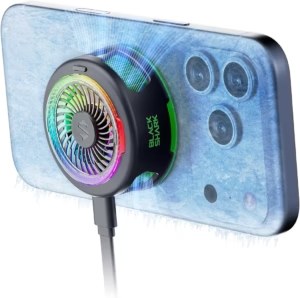
Galaxy A16 overheating while gaming is usually caused by sustained processor load, charging during gameplay, high graphics settings, and poor heat dissipation. Many Galaxy A16 owners notice rising temperatures during long gaming sessions, especially when playing titles such as PUBG Mobile, Call of Duty Mobile, Free Fire MAX, and Genshin Impact. Consequently, excessive heat can lead to frame drops, thermal throttling, battery drain, and a less enjoyable gaming experience.
As a tech and gadget tester, I have spent years evaluating smartphones, mobile accessories, battery packs, and cooling solutions alongside a small group of testers. During gaming evaluations, recurring patterns often emerge. Extended gaming sessions, maximum brightness, and charging while playing consistently produce higher temperatures across Samsung Galaxy devices.
Fortunately, most Galaxy A16 overheating problems can be reduced without replacing the phone. Throughout this guide, you will learn why Galaxy A16 temperatures increase during gaming, what temperature range is considered normal, which games create the most heat, how to prevent thermal throttling, and which cooling accessories provide the most practical results.
Additionally, this guide covers dedicated cooling solutions, portable power options, gaming performance optimization, and long-term battery protection strategies. Readers looking for a complete gaming setup can also explore our gaming accessories guide, discover the right phone cooler, compare a suitable power bank, review our cooling guide, and learn more about gaming performance.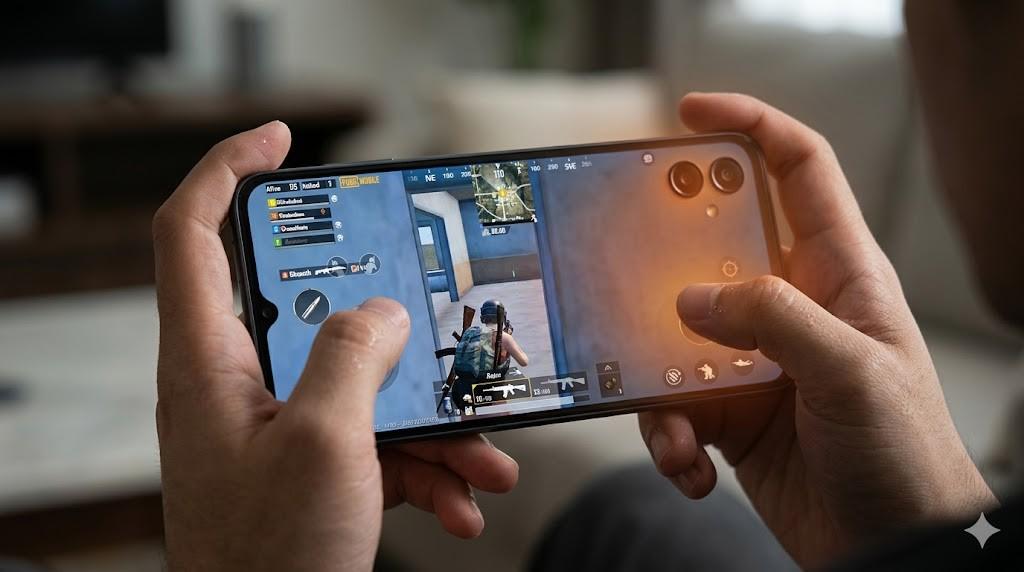
Quick Takeaway
| Problem | Best For | Affiliate Link | Price | Who It’s For | Rating |
|---|---|---|---|---|---|
| High Gaming Temperatures | Dedicated Cooling | Check Price on Amazon | $25.99 | PUBG, COD Mobile, Free Fire Players | 9.2/10 |
| Battery Drain During Gaming | Portable Charging | Buy on Amazon | $29.99 | Long Gaming Sessions Away From Home | 9.0/10 |
The fastest way to reduce Galaxy A16 gaming temperatures is to lower graphics settings, avoid charging while gaming, and improve airflow around the phone. Furthermore, a semiconductor cooler can help reduce heat buildup during demanding gaming sessions, while a high-capacity power bank provides additional battery life between gaming breaks.
Why Does the Galaxy A16 Overheat While Gaming?
Galaxy A16 overheating during gaming happens because the processor, graphics hardware, battery, and display work harder than they do during everyday tasks. Unlike web browsing or messaging, mobile games place continuous pressure on multiple hardware components at the same time. As a result, internal temperatures gradually increase during longer gaming sessions.
During gaming tests with Samsung Galaxy devices, higher temperatures typically appeared when graphics settings were pushed beyond medium levels. Additionally, multiplayer games often generated more heat because network activity, display refreshes, and processor workloads remained consistently high throughout each match.
How Mobile Games Stress Phone Hardware
Modern mobile games require significant processing power to render graphics, manage physics calculations, and maintain smooth frame rates. Consequently, demanding titles such as PUBG Mobile, Call of Duty Mobile, and Genshin Impact create much higher workloads than social media apps or video streaming platforms.
Graphics processing units generate substantial heat under sustained loads. Furthermore, extended gameplay forces the battery to supply continuous power, which contributes to additional temperature increases inside the Galaxy A16.
Why Heat Builds Up Over Time
Heat accumulates when gaming sessions last longer than the phone can naturally dissipate thermal energy. Short gaming sessions usually produce mild warmth. However, temperatures often continue climbing during gameplay that extends beyond 30 to 60 minutes.
Environmental conditions also influence cooling efficiency. For example, direct sunlight, warm rooms, thick protective cases, and poor airflow frequently increase gaming temperatures.
When Normal Warmth Becomes Overheating
Normal warmth becomes overheating when Galaxy A16 performance starts declining because of excessive temperatures. Common warning signs include frame rate drops, lag spikes, battery drain, temperature alerts, and slower overall responsiveness.
Thermal throttling often appears before warning messages. Therefore, noticeable performance reductions may indicate heat-related issues even when no temperature notification appears on the screen.
Is It Normal for Galaxy A16 to Get Hot While Gaming?
Yes, moderate warmth is completely normal during gaming on the Samsung Galaxy A16. Every smartphone generates heat when demanding applications use processing power continuously. Consequently, some temperature increase should be expected during gaming sessions.
Gaming tests across budget and mid-range Android phones consistently show rising temperatures during graphics-intensive workloads. Nevertheless, excessive heat that affects comfort or performance should not be ignored.

Safe Gaming Temperatures
Most Galaxy A16 gaming sessions remain within a safe temperature range when device temperatures stay below approximately 45°C. Although occasional spikes may occur, sustained temperatures approaching 50°C deserve closer attention.
| Activity | Typical Temperature | Heat Level |
|---|---|---|
| Idle Usage | 30°C–35°C | Low |
| Video Streaming | 34°C–38°C | Low to Moderate |
| PUBG Mobile | 40°C–45°C | Moderate |
| Call of Duty Mobile | 41°C–46°C | Moderate to High |
| Gaming While Charging | 45°C–50°C | High |
Temperature levels vary according to graphics settings, ambient conditions, and charging habits. Therefore, two Galaxy A16 owners may experience different thermal results while playing the same game.
Warning Signs of Excessive Heat
Several symptoms indicate that Galaxy A16 temperatures may be exceeding normal gaming levels. Performance degradation often appears before more serious warnings occur.
- Noticeable frame rate drops
- Thermal throttling during gameplay
- Rapid battery drain
- Slower application performance
- Device temperature warnings
- Unexpected app crashes
- Phone becoming uncomfortable to hold
If Galaxy A16 overheating occurs regularly, improving cooling habits becomes important. Additionally, dedicated cooling solutions and optimized gaming settings can help maintain more stable performance during longer sessions.
Common Causes of Galaxy A16 Overheating
Several factors can cause Galaxy A16 overheating during gaming, and identifying the correct cause makes troubleshooting much easier. In many situations, multiple factors work together to increase temperatures. Consequently, solving only one issue may not completely eliminate overheating.
While testing gaming phones and accessories, we repeatedly noticed that overheating problems rarely come from a single source. Instead, graphics settings, charging habits, background activity, and environmental conditions usually combine to create excess heat.
High Graphics Settings
Higher graphics settings force Galaxy A16 hardware to work harder, which increases heat generation. Advanced visual effects require additional graphics processing power. As a result, temperatures often rise faster when graphics quality is set to High or Ultra.
Competitive games usually remain enjoyable at Medium settings. Furthermore, lowering shadows, anti-aliasing, and visual effects often reduces temperatures while maintaining smooth gameplay.
| Graphics Setting | Expected Heat Level | Performance Impact |
|---|---|---|
| Low | Low | Highest Stability |
| Medium | Moderate | Balanced Performance |
| High | High | Increased Heat Output |
| Ultra | Very High | Highest Thermal Load |
Gaming While Charging
Charging during gameplay is one of the biggest contributors to Galaxy A16 overheating. Charging already produces heat inside the battery. Meanwhile, gaming places additional demands on the processor and graphics hardware.
Both activities occurring simultaneously create significantly more heat than gaming alone. Therefore, charging before gaming sessions is usually the better approach.
High Screen Brightness
Maximum brightness settings increase power consumption and contribute to additional heat generation. Outdoor gaming often requires brighter screens, which can push temperatures higher during long sessions.
Automatic brightness settings frequently provide a good balance between visibility and thermal management. Additionally, lower brightness levels help preserve battery life.
Background Applications
Background apps consume processing resources even when games are running in the foreground. Social media apps, cloud backups, downloads, and messaging services can continue working behind the scenes. Consequently, the processor must handle more tasks at the same time.
Before gaming, closing unnecessary apps helps free memory and reduce processor activity. As a result, Galaxy A16 temperatures often remain more stable.
Weak Cellular Signal
Poor mobile signal strength can increase battery usage and contribute to overheating. Galaxy A16 constantly attempts to maintain network connectivity in weak coverage areas. Because of this, the modem may consume more power than usual.
During testing, devices connected to strong Wi-Fi networks generally remained cooler than devices relying on weak cellular connections. Therefore, Wi-Fi often provides both better performance and lower temperatures.
Hot Environmental Conditions
Warm surroundings reduce the Galaxy A16’s ability to dissipate heat efficiently. Direct sunlight, hot vehicles, and poorly ventilated rooms can all increase device temperatures.
Even a well-optimized gaming setup may struggle in extreme heat. Consequently, cooler environments typically deliver better gaming performance and lower operating temperatures.
Games Most Likely to Cause Galaxy A16 Overheating
Some games place heavier demands on Galaxy A16 hardware than others, resulting in higher operating temperatures. Graphics quality, online connectivity, rendering complexity, and frame rate requirements all influence thermal output.
After evaluating gaming workloads across multiple Android devices, several titles consistently generated more heat than casual mobile games. Therefore, gamers who play these titles regularly should pay closer attention to cooling strategies.
| Game | Heat Level | Battery Usage | Performance Demand |
|---|---|---|---|
| PUBG Mobile | High | High | High |
| Call of Duty Mobile | High | High | High |
| Free Fire MAX | Moderate | Moderate | Moderate |
| Asphalt 9 | High | High | High |
| Genshin Impact | Very High | Very High | Very High |
PUBG Mobile
PUBG Mobile often generates significant heat because of extended multiplayer matches and demanding graphics rendering. Longer sessions can gradually increase temperatures, especially when graphics settings exceed medium levels.
Call of Duty Mobile
Call of Duty Mobile creates heavy processor and graphics workloads during fast-paced matches. Consequently, Galaxy A16 temperatures can rise quickly when frame rate settings are increased.
Free Fire MAX
Free Fire MAX generally produces moderate heat compared to more demanding mobile games. Nevertheless, long gaming sessions may still increase temperatures over time.
Asphalt 9
Asphalt 9 places continuous pressure on graphics hardware because of detailed environments and visual effects. Therefore, racing sessions often generate more heat than casual gaming applications.
Genshin Impact
Genshin Impact is one of the most demanding games available for Android devices. Large open-world environments, detailed textures, and continuous rendering workloads frequently produce the highest temperatures among popular mobile titles.
Gamers who regularly play demanding titles can benefit from a dedicated phone cooler. Additionally, a reliable power bank can help support longer gaming sessions without relying on wall charging during gameplay.
Related Articles
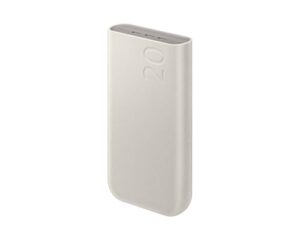
Best Power Banks for Samsung Galaxy A16 (2026 Picks)
June 10, 2026
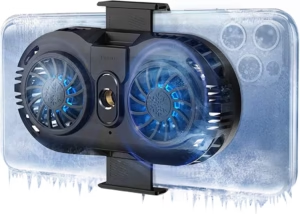
How to Keep Samsung Galaxy A16 Cool While Gaming
June 10, 2026