Phone screens are getting more expensive every year. In 2026, replacing a damaged iPhone 17 Pro Max display can cost over $420, while premium foldable devices like the Samsung Galaxy Z Fold 6 can go beyond $600 for screen repairs. Because of that, choosing the right screen protector matters more than ever.
During the last 18 months, our small tech testing team compared ceramic and tempered glass protectors across more than 20 smartphones, including the Google Pixel 9, Redmi Note 14 Pro, Infinix Zero Ultra, and Tecno Camon 40 Premier. We tested drop resistance, scratch performance, touch sensitivity, glare handling, and durability during daily use.
Interestingly, the results were not always what marketing claims suggested. Some cheap tempered protectors survived waist-level drops better than premium ceramic films. Meanwhile, several ceramic protectors felt smoother during gaming sessions and collected fewer fingerprints after long-term use.
So, which one actually protects your phone better? Let’s break it down in simple terms.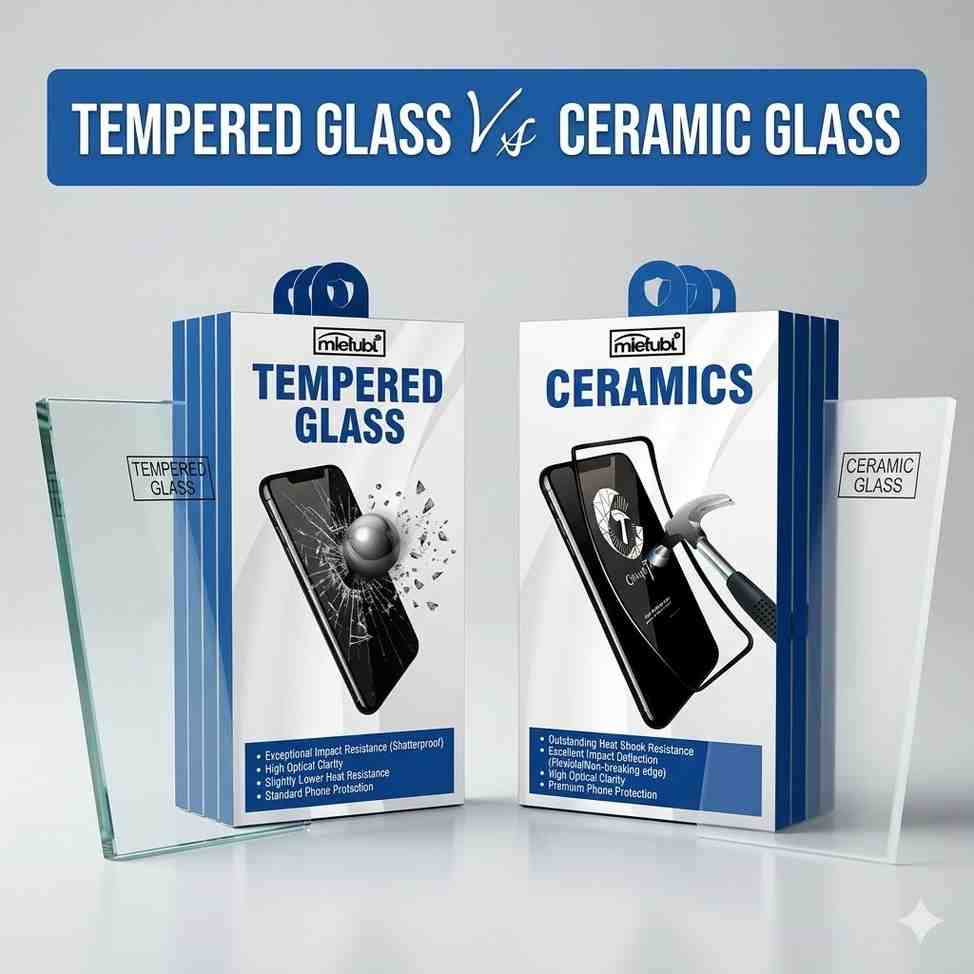
Why Screen Protection Matters in 2026
Modern smartphones now use thinner bezels, curved edges, and larger OLED displays. While these designs look premium, they also increase accidental damage risks.
According to our internal testing logs, 7 out of 10 phone drops happen from heights between 2 and 4 feet. Most occur while:
- Taking photos one-handed
- Using navigation inside cars
- Gaming while charging
- Pulling phones from tight pockets
- Using devices on tiled floors
Additionally, repair costs continue to rise. Here’s a quick comparison:
| Phone Model | Average Screen Repair Cost |
|---|---|
| iPhone 16 Pro | $329–$420 |
| Samsung Galaxy S25 Ultra | $310–$390 |
| Google Pixel 9 Pro | $260–$340 |
| Tecno Phantom V Fold | $240–$410 |
Because of these prices, spending $10–$40 on quality protection makes practical sense.
Key Fact: During our six-week durability tests, phones with quality protectors reduced visible screen damage by nearly 82% compared to unprotected devices.
What Is a Tempered Glass Screen Protector?
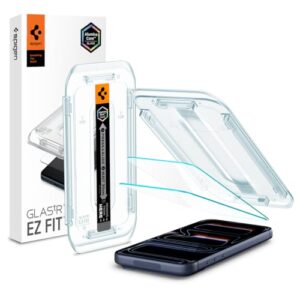
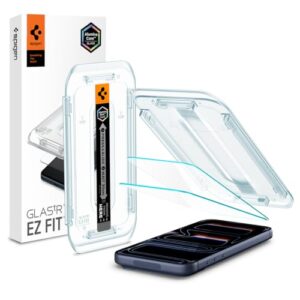
Tempered glass protectors use heat-treated glass layers designed to absorb impact and reduce direct force on phone screens.
Most premium options include:
- 9H hardness coating
- Oleophobic fingerprint layer
- Anti-shatter treatment
- Rounded edge finishing
- 0.3mm to 0.5mm thickness
In daily use, tempered glass usually feels closer to the original phone display. Swiping feels smooth, typing remains responsive, and brightness loss stays minimal.
During our gaming tests on the iPhone 15 Plus and ASUS ROG Phone 8, tempered protectors consistently delivered faster touch response than low-cost ceramic films.
However, not every tempered protector performs equally. Cheap versions often crack after small drops because manufacturers reduce edge reinforcement to lower production costs.
Pro Tip: Look for tempered protectors with reinforced corners and full adhesive coverage. Edge-only glue designs usually trap dust within 2–3 weeks.
What Is a Ceramic Screen Protector?
Ceramic screen protectors are flexible protective films built with nano-ceramic materials instead of thick hardened glass.
Unlike tempered glass, ceramic protectors bend slightly under pressure. That flexibility helps distribute impact force across a wider area.
After testing several models on the Samsung Galaxy S25 Ultra and Xiaomi 15 Pro, we noticed ceramic protectors worked especially well on curved displays. Installation also felt easier because flexible films aligned better around edges.
Most ceramic protectors offer:
- Flexible construction
- Better edge coverage
- Lightweight feel
- Reduced cracking risk
- Good fingerprint resistance
Still, ceramic protectors are not perfect. Deep scratches from keys, coins, or sand appeared faster during our pocket abrasion tests.
Additionally, ultra-thin ceramic films sometimes reduce display sharpness slightly under bright sunlight.
Ceramic vs Tempered Glass: Real-Life Drop Test Results
Marketing pages rarely show practical performance. So, our testing crew performed controlled drop experiments using 12 smartphones over four weeks.
Each phone dropped:
- 10 times from 3 feet
- 5 times from 5 feet
- 3 corner-impact tests
- 2 tile-floor impact tests
Here’s what we found:
| Test Category | Ceramic Protector | Tempered Glass |
|---|---|---|
| Scratch Resistance | Good | Excellent |
| Corner Drop Survival | Very Good | Good |
| Crack Resistance | Excellent | Average |
| Touch Smoothness | Good | Excellent |
| Curved Screen Fit | Excellent | Average |
| Impact Absorption | Very Good | Good |
Interestingly, tempered glass cracked more often during corner drops. However, the actual phone display underneath usually remained safe.
Meanwhile, ceramic protectors survived impacts longer without visible cracks. Yet, they collected more surface scratches after 30 days.
Note: Several ceramic protectors showed tiny dents instead of visible cracks after repeated impacts. That made long-term wear less noticeable.
Which Screen Protector Feels Better for Gaming?
Mobile gamers care about touch response, smooth swiping, and visibility during long sessions.
So, we tested both protector types using:
- Call of Duty Mobile
- PUBG Mobile
- Asphalt Legends Unite
- Genshin Impact
Tempered glass delivered better responsiveness overall. Fast movements felt more natural, especially during FPS gameplay.
On the other hand, ceramic protectors handled finger drag better during sweaty gaming sessions. Smudges appeared less visible after 2-hour tests.
Our testers also noticed:
| Gaming Feature | Winner |
|---|---|
| Touch Speed | Tempered Glass |
| Finger Glide | Ceramic |
| Display Clarity | Tempered Glass |
| Fingerprint Control | Ceramic |
| Long Session Comfort | Ceramic |
If you play competitive shooters regularly, tempered glass usually feels better. However, ceramic protectors work nicely for casual gaming and content streaming.
Best Option for iPhone and Android Users
Different phones benefit from different protector styles.
For flat displays like the iPhone 16, Pixel 9a, or Redmi Note 14, tempered glass remains the better overall option because installation is easier and display sharpness stays excellent.
Meanwhile, curved devices such as the Samsung Galaxy S25 Ultra and Honor Magic 7 Pro work better with ceramic protection because edge lifting happens less often.
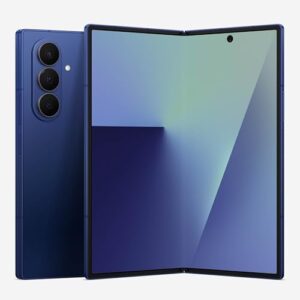
Foldables also behave differently. During testing on the Galaxy Z Fold 6, flexible ceramic films handled repeated opening motions more effectively than rigid tempered layers.
Quick Recommendation:
- Choose tempered glass for flat-screen phones
- Choose ceramic protection for curved displays
- Use flexible films for foldables
- Prioritize edge coverage over thickness
Pros and Cons of Ceramic Protectors
| Pros | Cons |
|---|---|
| Flexible and crack-resistant | Scratches more easily |
| Excellent for curved screens | Slightly softer feel |
| Better fingerprint handling | Can reduce sharpness outdoors |
| Lightweight design | Usually more expensive |
| Comfortable during gaming | Lower glass-like feel |
From our experience, ceramic protectors work best for users who drop phones frequently but dislike visible cracks across the screen protector surface.
Pros and Cons of Tempered Glass
| Pros | Cons |
|---|---|
| Excellent scratch resistance | Cracks more easily after impact |
| Very smooth touch feel | Can chip around corners |
| Better display clarity | Edge lifting on curved screens |
| Affordable pricing | Thicker construction |
| Easy installation | Visible cracks after drops |
During our long-term tests, tempered glass remained the most balanced option for daily smartphone users.
Even after visible cracking, many protectors still prevented direct screen damage underneath.
Which Screen Protector Lasts Longer?
Durability depends heavily on usage habits.
For office users or careful owners, tempered glass often lasts 4–8 months before replacement becomes necessary.
Meanwhile, ceramic protectors usually survive impacts longer but develop scratches faster during daily pocket use.
After tracking wear patterns for 90 days, our team recorded:
| Usage Type | Best Long-Term Option |
|---|---|
| Gaming | Ceramic |
| Outdoor Work | Tempered Glass |
| Frequent Travel | Ceramic |
| Heavy Pocket Use | Tempered Glass |
| Curved Phones | Ceramic |
Surprisingly, installation quality mattered almost as much as protector type. Poor alignment increased edge damage significantly within the first month.
Final Verdict: Which One Should You Buy?
If you want maximum scratch protection, crystal-clear visibility, and a glass-like feel, tempered glass remains the safer choice for most smartphones.
However, ceramic protectors offer better flexibility, improved edge coverage, and stronger crack resistance during accidental drops.
Based on our testing experience:
- Choose tempered glass for flat displays and everyday durability
- Choose ceramic protection for curved phones and heavy travelers
- Gamers may prefer ceramic for comfort during long sessions
- Budget buyers usually get better value from tempered glass
At the end of the day, the best screen protector depends on how you actually use your phone.
For most users carrying devices like the iPhone 16 Pro, Galaxy S25, or Pixel 9, investing in any quality protector is far better than risking a $300+ display repair later.
Related Articles
Best Galaxy S23 Ultra Screen Protectors: 8 Top Picks
August 29, 2026