
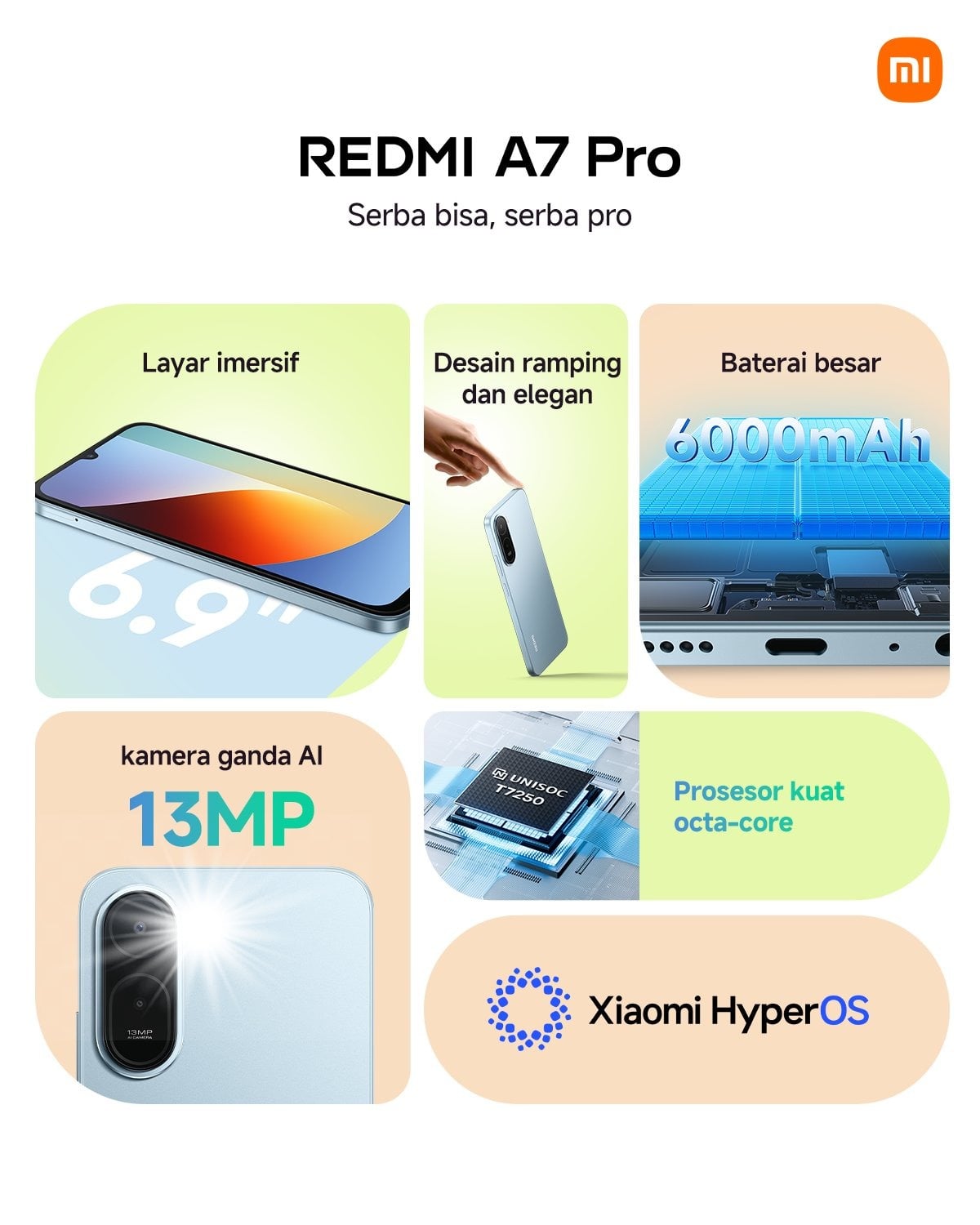
You want a massive screen and a battery that refuses to die but your budget is strictly under 180,000 Naira. It is a common struggle because most giant-screen phones usually come with a giant price tag to match. But here is the good news: the Redmi A7 Pro has arrived to break that rule. In this post, you will learn why this 6.9-inch device is the new budget king, how the 6,000mAh battery performs in real-world Nigerian conditions, and if the Unisoc T7250 chipset can actually handle your daily apps without lagging.
Are you ready? Let us jump right in and see if this big-screen experiment is right for you.

Quick Take: The Big Screen Verdict
The Redmi A7 Pro is the undisputed champion for anyone who prioritizes media consumption and long-lasting power over raw gaming speed. While the 15W charging feels like a relic from the past, the inclusion of HyperOS 3 ensures the software stays snappy and modern. It is a specialized tool designed for binging Netflix or scrolling TikTok for hours without reaching for a power bank.
| Feature | Redmi A7 Pro Specification |
|---|---|
| Display Size | 6.9-inch IPS LCD 120Hz |
| Battery Capacity | 6,000mAh Li-Po |
| Charging Speed | 15W Wired (USB-C) |
| Main Processor | Unisoc T7250 (12nm) |
| Software | HyperOS 3 (Android 16) |
Quick Picks: Top 5 Budget Contenders in 2026
- Redmi A7 Pro: Best for media junkies who need the largest 6.9-inch screen and a 6,000mAh battery.
- Redmi A5: Best for one-handed use with a slightly smaller 6.8-inch panel and 5,200mAh battery.
- Poco C71: Best for budget gaming thanks to the Dimensity 6300 chipset and faster 25W charging.
- Samsung Galaxy A16 5G: Best for long-term security updates and stable 5G connectivity in urban areas.
- realme P4 Power: Best for ultra-fast charging if you cannot wait three hours to top up your phone.
Note: Always check the RAM variant before buying. The 8GB model offers a significantly smoother multitasking experience than the 4GB base version.
Why the Redmi A7 Pro is Making Waves
The Redmi A7 Pro is currently disrupting the market because it offers a flagship-sized display at an entry-level price. Most phones at this price point settle for 6.5 inches, but Xiaomi pushed the boundaries to 6.9 inches to target the growing demand for affordable entertainment devices. This phone is not trying to be a powerhouse; it is trying to be your portable cinema.
According to recent retail data from March 2026, the Redmi A7 Pro launched at roughly $101, which translates to competitive pricing across Nigeria and Indonesia. This aggressive pricing strategy works because it addresses the core needs of students and workers who need a reliable, long-lasting secondary device. Why pay for a tablet when your phone screen is almost the same size?
Pro Tip: If you use your phone for navigation as a delivery driver, the high 600-nit HBM brightness on this panel makes it much easier to see maps under direct Nigerian sunlight.
Here is an example of why this strategy works: according to a research on budget mobile trends, screen size and battery life are the top two features users look for in the sub-200k Naira category. By focusing only on these two areas, Xiaomi created a product that feels premium where it matters most to the buyer. Have you ever felt like your current phone screen is just too small for watching movies?
Now I would like to hear from you: are you planning to use the Redmi A7 Pro as your main phone or as a dedicated media device? Let me know in the comments below!
Where Does HyperOS 3 Shine on This Device?
HyperOS 3 provides a significantly smoother user experience on the Redmi A7 Pro compared to older MIUI versions found on budget phones. Xiaomi built this version specifically to reduce system storage and prioritize background apps on devices with limited RAM. On this massive screen, the software uses a new architecture that feels responsive despite the modest processor power underneath.
The Android 16 integration handles entry-level hardware by stripping away heavy animations that usually cause lag. Instead of fancy transitions, you get a clean and fast interface that focuses on speed. This is a massive win for users who hate waiting for their phone to respond to a simple tap.
What software features come with the Redmi A7 Pro?
The standout feature is the Hyper Island, which is Xiaomi’s answer to dynamic multitasking at the top of the display. This interactive notch displays real-time data like your charging progress, music playback, or active timers without needing to pull down the notification shade. It is a useful tool that makes the 6.9-inch screen feel more organized and modern.
Regarding longevity, you can expect two years of major Android updates and three years of security patches. While it will not receive updates forever, this is standard for phones in the 170,000 Naira range. Most budget competitors only offer a single year of support, giving Xiaomi a slight edge in software durability.
Note: To keep your phone fast, go to Settings > System > Memory Extension and toggle on the extra 4GB of virtual RAM. It helps keep more apps open in the background without refreshing.
Why Choose the Redmi A7 Pro Over the Competition?
The Redmi A7 Pro stands out because it offers a 6,000mAh battery and a nearly 7-inch display for under $110. Most rivals either give you a smaller battery or a much slower 60Hz screen. If you spend most of your day watching YouTube or movies, the sheer size of this panel makes the competition feel cramped and outdated.
Redmi A7 Pro vs. Poco C71: Which is better?
The Redmi A7 Pro is the winner for media lovers, while the Poco C71 is better for those who need more speed. The A7 Pro has a 6.9-inch screen, but the Poco C71 features the more powerful Dimensity 6300 chipset. According to performance data from Antutu benchmarks, the Dimensity processor scores about 20% higher in multi-core tasks than the Unisoc T7250.
Here is why that matters: if you are a casual gamer, the Poco C71 will offer fewer frame drops in titles like PUBG Mobile. However, if you want the longest possible battery life for scrolling social media, the 6,000mAh cell in the A7 Pro easily beats the 5,000mAh unit in the Poco. Which do you value more: a faster processor or an extra day of battery life?
How does it compare to the standard Redmi A5?
The Redmi A5 is more comfortable for one-handed use, but the A7 Pro provides a vastly superior viewing experience. Moving from a 5,200mAh battery to a 6,000mAh monster adds significant weight and bulk to the phone. You are essentially trading portability for the peace of mind that your phone will not die before you get home at night.
How Reliable is the Redmi A7 Pro Camera System?
The 13MP AI dual camera on the Redmi A7 Pro is designed for casual social media snaps rather than professional photography. In bright daylight, the photos are surprisingly sharp with natural colors that look great on the large 120Hz display. Xiaomi uses AI image processing to help the small sensor capture better contrast and more detail in well-lit environments.
When the sun goes down, the Night Mode kicks in to reduce noise, though you should not expect flagship-level quality. It works well for capturing stationary objects, but it struggles with moving subjects in low light. The 8MP selfie camera is also adequate for video calls on OPay, WhatsApp, or Zoom, providing clear skin tones in daylight.
Pro Tip: For the best results, always keep HDR set to Auto. It helps the camera balance the bright Nigerian sky and the darker foreground details in your landscape shots.
Buying Guide & Maintenance
You can find the Redmi A7 Pro at authorized Xiaomi stores and major retailers like Jumia or Slot in Nigeria. The current price in Nigeria for March 2026 ranges between ₦165,000 and ₦185,000. In Indonesia, the device is priced similarly at roughly 1.5 million IDR, making it a globally consistent budget option.
To keep your device running perfectly, follow the 20-80 battery rule: try to keep your charge between 20% and 80%. Consistently draining the 6,000mAh battery to 0% can wear out the lithium-ion cells faster over time. Also, since this phone is quite large, I highly recommend buying a high-quality tempered glass screen protector immediately to prevent cracks on that massive 6.9-inch panel.
Frequently Asked Questions (FAQs)
Is the Redmi A7 Pro a 5G phone?
No, the Redmi A7 Pro supports 4G LTE, GSM, and WCDMA networks only. It does not feature 5G connectivity, which helps keep the price very low for budget-conscious buyers.
How long does the Redmi A7 Pro battery last?
With its 6,000mAh battery, the device easily lasts up to 2 full days with moderate use. On a single charge, you can enjoy roughly 14 to 16 hours of continuous video streaming.
Does the Redmi A7 Pro have a headphone jack?
Yes, it includes a 3.5mm headphone jack located at the top of the device. This allows you to listen to music or the radio without needing expensive wireless earbuds.
Is the Redmi A7 Pro waterproof?
The phone has an IP52 rating, which means it can survive light dust and accidental splashes. However, you should never submerge it in water or use it in heavy rain.
Can the Redmi A7 Pro run Genshin Impact?
While the phone can technically open the game, the Unisoc T7250 chipset will struggle with significant lag and low frame rates. It is much better suited for casual games like Candy Crush or Subway Surfers.
Conclusion: The Final Verdict on the Redmi A7 Pro
The Redmi A7 Pro is a specialized tool that successfully turns screen size into a budget luxury. It is not designed for hardcore mobile gamers or professional photographers who need the fastest tech. Instead, it is built for the everyday user who wants a massive canvas for movies and a battery that refuses to give up. If you value entertainment and endurance above all else, this is the best 170k Naira you can spend right now.
Now I would like to hear from you: Which feature is more important for your next phone, a massive 6.9-inch screen or faster charging speeds? Let me know your thoughts in the comments below!